Capricornus Guide

Nolan O'Connor
| 21-05-2026
 · Travel team
Capricornus rarely steals attention at first glance, yet it quietly holds one of the oldest and most symbolic identities in the night sky. Known as the Sea Goat, this constellation blends land and ocean imagery into a single figure, and that unusual mix reflects its deeper story.
For Lykkers who enjoy turning casual stargazing into something more engaging, Capricornus offers a rewarding challenge. It is not bright, not obvious, and not easy to spot at first. But that is exactly what makes it satisfying. Once you understand how to find it and what it represents, it becomes a reliable anchor in your sky awareness.
Spotting the Sea Goat Shape
Capricornus does not jump out like some brighter constellations, so approaching it with the right expectations helps. Instead of looking for a clear animal shape, you will notice a wide, slightly triangular pattern of dim stars. The trick is learning how to recognize structure even when brightness is low.
Start with the Triangle Pattern
When scanning the southern sky during late summer or early autumn evenings, focus on a faint but broad triangle formed by several stars. This shape is not sharp or perfectly outlined, so you will need a bit of patience. Once your eyes adjust, the pattern becomes more stable.
You might notice that the triangle feels slightly stretched, almost like it is leaning. That subtle imbalance is a helpful clue. It distinguishes Capricornus from more symmetrical constellations nearby.
Use Brighter Neighbors as Guides
Since Capricornus itself is dim, it becomes easier to find when using nearby constellations as reference points. If you already know how to locate Sagittarius, look slightly eastward from it. Capricornus sits nearby, forming a quieter companion in the sky.
Another helpful reference is Altair. This bright star stands out clearly. By drawing an imaginary line downward from Altair toward the southern horizon, you can narrow your search area for Capricornus.
Train Your Night Vision
Because this constellation is subtle, your ability to see it depends heavily on how well your eyes adapt to darkness. Give yourself at least ten to fifteen minutes without looking at bright screens. Even small improvements in night vision make a big difference.
You may also notice that looking slightly to the side of a star, rather than directly at it, helps it appear clearer. This technique uses peripheral vision, which is more sensitive in low light.
Make It a Repeat Habit
Instead of expecting instant recognition, treat Capricornus like a familiar face that becomes clearer over time. Each time you look for it, the pattern sharpens in your memory. After a few sessions, the triangle becomes easier to pick out even in less-than-perfect conditions.
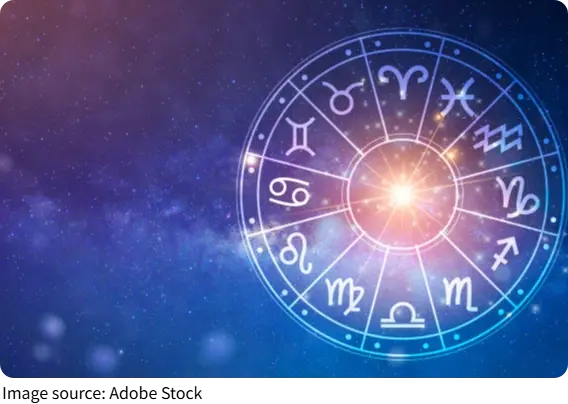
Unlocking the Ancient Mystery
Once you can locate Capricornus, the next step is understanding why it matters. This constellation carries one of the oldest mythological identities and connects to seasonal cycles that early civilizations relied on.
The Sea Goat Symbol Explained
Capricornus represents a creature with the front half of a goat and the tail of a fish. This combination may seem unusual, but it reflects a balance between land and water. In ancient interpretations, it symbolized adaptability and transition.
You might notice how this dual nature mirrors real-life experiences. Just like the Sea Goat, people often navigate between different environments or roles. This makes the constellation feel surprisingly relatable.
A Marker of Seasonal Change
Historically, Capricornus was linked to the turning point of the sun's path. While modern astronomy places the winter solstice in a slightly different position due to long-term shifts, the constellation still carries that association.
For practical stargazing, this means Capricornus can act as a seasonal marker. Seeing it clearly in the evening sky often signals the transition toward cooler months in the Northern Hemisphere.
Try observing its position over several weeks. You will notice how it shifts gradually earlier in the evening. This movement reflects Earth's orbit and gives a real sense of time passing in the sky.
A Simple Observation Challenge
To make this more interactive, pick a fixed location where you can observe the sky regularly. Each week, note where Capricornus appears relative to the horizon at the same time of night.
You might be surprised at how quickly its position changes. This exercise turns abstract astronomy into something tangible. Instead of reading about motion, you see it happening.
Hidden Depth in a Faint Constellation
Even though Capricornus is not bright, it sits in a region filled with interesting deep-sky objects. With binoculars or a small telescope, you can explore star clusters that are otherwise invisible to the eye.
This adds another layer of engagement. What first seemed like an empty patch of sky becomes a gateway to more detailed exploration.
Building Your Sky Confidence
Learning a dim constellation like Capricornus strengthens overall stargazing skills. It teaches patience, improves pattern recognition, and encourages careful observation.
Once you can confidently identify it, brighter constellations feel much easier. This progression builds confidence and makes the entire sky more approachable.
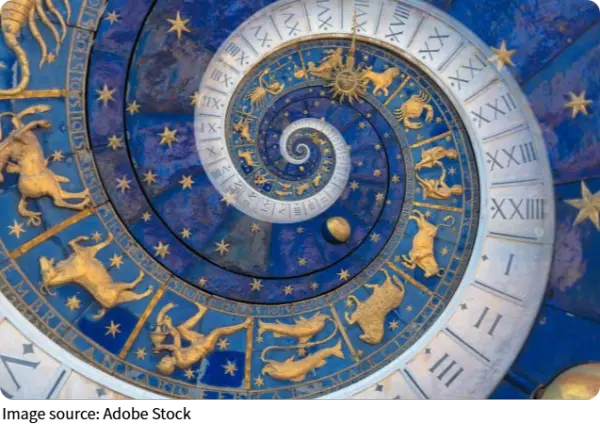
Capricornus may appear quiet and understated, but that is part of its appeal. It challenges you to look more carefully, think more deeply, and connect with the sky in a more active way. By learning its triangle shape, using nearby stars as guides, and observing its seasonal movement, you gain practical skills that extend beyond a single constellation. Over time, this once-faint pattern becomes a meaningful part of your personal sky map.
This content is for entertainment and general insight only and does not constitute professional advice.