Turquoise Pulse of Altai

Elena Rossi
| 23-05-2026
 · Travel team
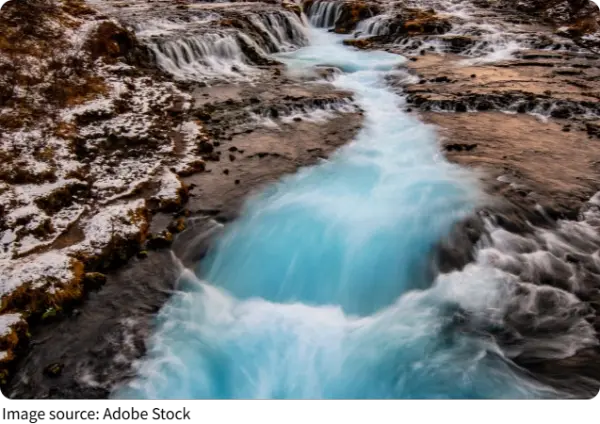
Friends, born from the glaciers of Mount Belukha—the highest peak in at 4,509 meters—the Katun River cuts through the Altai Mountains of southern Russia in colors that shift from milky jade to electric turquoise depending on the season. This is one of the last truly wild river valleys on the continent, where deep gorges alternate with wide, meadow-flanked stretches, where waterfalls tumble from side canyons, and where adventure tourism thrives alongside centuries-old pastoral traditions. The Altai region has earned UNESCO World Heritage recognition, and the Katun is its liquid heartbeat.
Rafting the Katun
Whitewater rafting is the Katun's headline attraction, with options ranging from gentle family floats to expedition-grade rapids that challenge even experienced paddlers. The Lower Katun near the tourist hub of Chemal offers Class II to III rapids—accessible, exciting, and suitable for beginners. Half-day rafting excursions on this section cost approximately $25 to $50 per person, including equipment and guides. Multi-day rafting expeditions deeper into the river's upper sections—featuring Class IV to VI whitewater through narrow canyons—range from $300 to $1,000+ depending on duration and comfort level. All tours provide professional instructors, life jackets, helmets, wetsuits, and group camping gear. The rafting season runs from May through September, with June and July delivering the highest water levels and most intense rapids.
Scenic Highlights
Beyond the river itself, the Katun valley is lined with natural landmarks worth exploring on foot or by car. The confluence of the Chuya and Katun rivers—where two distinctly colored waterways merge—is one of the most photographed spots in the Altai. Kamyshlinsky Waterfall, a cascading falls accessible via a short forest trail, makes an excellent half-day side trip. The Tavdin (Taldinsky) Caves, a complex of over 30 karst caverns, offer guided underground explorations for approximately $5 to $15 per person. The Chuysky Highway, often ranked among the most scenic roads in the world, follows the Katun's course through mountain passes and alongside turquoise pools—driving it is free and endlessly rewarding.
Chemal Town
The village of Chemal serves as the primary tourist hub along the Katun, offering the widest range of accommodation, food, and organized activities. Wooden guesthouses line the riverside, markets sell local honey and herbal teas, and adventure operators offer everything from horseback riding ($15 to $35 per hour) to guided mountain hikes ($20 to $60 per day). The Chemalskaya Hydroelectric Power Plant—a small dam spanning a dramatic gorge—is a popular walking destination with a suspension bridge crossing the canyon for approximately $3 to $5.
Where to Stay
Accommodation along the Katun ranges from basic tourist camps to comfortable eco-lodges. Budget tourist camps (tourbases) near Chemal start from approximately $5 to $18 per person per night, offering simple cabins or tent pitches with shared facilities including outdoor kitchens and banya (traditional steam rooms). Mid-range lodges with private bathrooms, river views, and included meals run $25 to $100 per night. More upscale eco-resorts with pools, saunas, and guided activity packages cost $100 to $200 nightly. Summer (July and August) is peak season—booking two to four weeks ahead secures the best availability. Many properties offer meals for an additional $10 to $20 per day, using locally sourced ingredients.
Getting There
Most travelers fly into Gorno-Altaysk, the regional capital, which receives domestic flights from Moscow (approximately 4.5 hours), Novosibirsk (1 hour), and several other Russian cities. Round-trip flights from Moscow range from approximately $150 to $400 depending on season and booking advance. The alternative airport at Barnaul, about three hours from Chemal by road, sometimes offers cheaper fares. From Gorno-Altaysk to Chemal, shared minibuses (marshrutkas) cost approximately $5 to $10 for the 100-kilometer, two-hour ride. Car rental from Gorno-Altaysk starts at roughly $30 to $60 per day and provides maximum flexibility for exploring the valley at your own pace.
When to Visit
Summer months of July and August deliver the warmest weather (daytime temperatures of 20 to 25 degrees Celsius), the iconic turquoise river color, and full access to all activities. Late spring (May and June) brings higher water levels ideal for adrenaline-seeking rafters. September offers golden autumn foliage and cooler, crowd-free conditions perfect for photography and hiking. Winter transforms the landscape into a snow-covered wilderness, with cross-country skiing and snowshoeing replacing summer activities—though many tourist facilities close from November through April.
Essential Tips
Mobile phone coverage is limited outside major towns—download offline maps before departing. Carrying cash in Russian rubles is essential, as card payment options thin out rapidly in smaller villages. Sunscreen and layered clothing handle the Altai's rapidly shifting weather. Travel insurance covering adventure activities is strongly recommended for anyone planning rafting or mountain trekking.
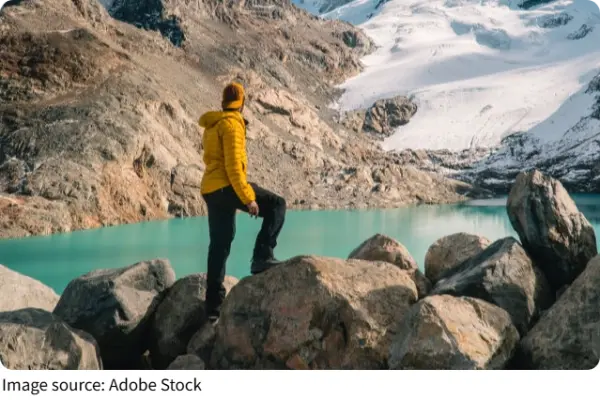
Readers, the Katun River is not a destination you visit for comfort or convenience—it is a place you travel to because something inside you responds to wild, untamed landscapes where the water runs impossible colors and the mountains feel genuinely endless. What corner of the natural world has called to you most powerfully, and have you answered yet?