Taj Mahal Visit Guide!

Pardeep Singh
| 27-05-2026
 · Travel team
What’s up, Lykkers? The Taj Mahal in Agra stands as one of the most iconic monuments in the world, drawing millions of visitors each year who come to witness its beauty and historical significance.
A visit to India feels incomplete without experiencing the Taj Mahal in Agra.
This world-famous monument is often considered a highlight that separates serious travelers from casual tourists. Whether you see it glowing softly in the early morning light or shining with a warm golden tone in the afternoon, the Taj Mahal offers a breathtaking blend of architectural mastery and cultural heritage.
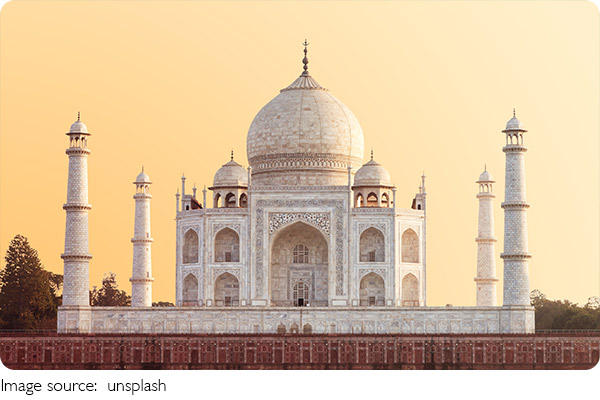
1. Where is the Taj Mahal?
The Taj Mahal is situated on the outskirts of Agra, roughly 200 kilometers south of New Delhi. Agra itself is a mid-sized city with a population of around 1.5 million people.
Key travel options and costs:
• By train (2–3 hours): Ticket prices range from 150–1,500 INR ($2–$18 USD) depending on seating class and speed of service.
• By private car (3–4 hours): Typically costs around 3,000–6,000 INR ($36–$72 USD) one way, offering more comfort and flexibility.
• By bus (4–5 hours): A budget-friendly option costing approximately 300–800 INR ($4–$10 USD), though travel time is longer.
• By guided tour: Prices vary widely, usually starting from 2,500 INR ($30 USD) per person, often including transport, entry assistance, and a guide.
Many visitors choose organized tours, as they simplify logistics and allow travelers to focus on the experience rather than planning each step of the journey.
Taj Mahal
2. What is the best time to visit?
Early morning is widely regarded as the ideal time to explore the Taj Mahal, especially around sunrise when temperatures are cooler and crowds are smaller. The soft light during this time also creates excellent photography conditions. The most comfortable season to visit is from October through March, when the weather is mild. Summers, particularly from April to June, can be extremely hot. Keep in mind that the site is closed to visitors on Fridays.
3. What is the entrance fee?
Foreign visitors generally pay around 1,100 INR (about 13 USD) for entry, while children under 15 years old can enter for free. Tickets can be purchased online in advance or directly at the entrance gates, which are clearly marked for visitors, helping streamline access and reduce waiting time, especially during peak tourist seasons when queues can become longer in the early morning hours.
4. How long should you plan to stay?
Most travelers spend about two to three hours exploring the Taj Mahal complex. However, during busy periods, waiting times and crowd movement can extend your visit beyond this window, especially at entry checkpoints and popular photo spots.
If you plan to enter the main mausoleum, expect additional time due to queues, and consider setting aside a more flexible schedule so you can explore the gardens, reflect at viewing points, and take photographs without feeling rushed.
5. Is there a dress code?
Visitors are encouraged to dress modestly by wearing clothing that covers the shoulders and knees, as this helps show respect for the cultural importance of the site and ensures a comfortable experience while exploring the complex. Light, breathable fabrics are especially recommended due to the warm climate, and comfortable footwear is advised since shoes must be removed before entering the main building and certain interior areas.
6. What items are not permitted?
Due to preservation and security concerns, certain items are not allowed inside the complex. These include food and beverages (except bottled water), drones, and tripods items. Inside the mausoleum, visitors are expected to remain quiet and avoid touching the marble surfaces to help preserve the intricate craftsmanship and maintain the site’s condition for future generations. It is always best to check official guidelines before your visit, as rules may be updated.
7. What else can you visit in Agra?
While the Taj Mahal is the main attraction, Agra has several other historical sites worth seeing. Agra Fort, a UNESCO World Heritage Site, offers insight into Mughal history and royal life. Fatehpur Sikri, once the capital of the Mughal Empire, is another remarkable destination nearby. You can also visit the Tomb of I’timad-ud-Daulah, often called the “Baby Taj,” which is considered an architectural inspiration for the Taj Mahal.
8. Is it accessible for wheelchair users?
Accessibility at the Taj Mahal is limited due to its historical structure. The gardens and outer areas are generally wheelchair-friendly, and wheelchairs can be rented at the entrance. However, access inside the main mausoleum is restricted because of stairs, which makes full accessibility difficult.
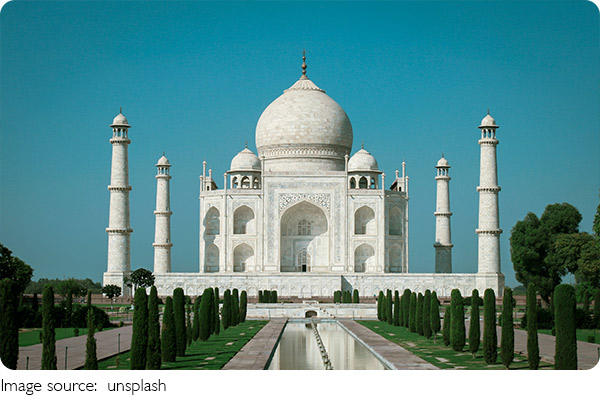
Dear Lykkers! Visiting the Taj Mahal offers more than just a sightseeing opportunity—it is a chance to experience one of the greatest symbols of love, history, and craftsmanship in the world. With the right timing, preparation, and awareness of travel conditions, visitors can fully appreciate both its beauty and cultural importance, making the journey to Agra truly unforgettable.