Sea Safety Sailing

Mariana Silva
| 27-05-2026
 · Travel team
Hello Lykkers and friends, when we step into open waters, everything can feel peaceful at first. The horizon looks steady, and the vessel moves smoothly. But we also know that conditions at sea can shift quickly, bringing stronger winds and rising waves without much warning.
This is why we prepare ourselves with practical handling skills before setting out. A sailing craft responds directly to every change in airflow and water movement, so understanding how to adjust in real time becomes essential.
In this article, we explore simple and effective ways we can handle challenging weather while staying focused and steady on our journey.
Adjusting Sail Power for Better Balance
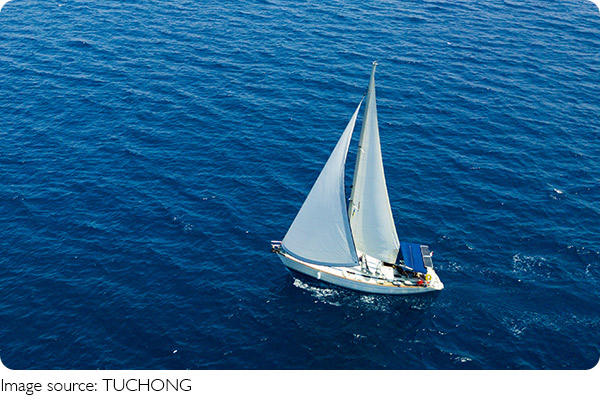
When the wind begins to strengthen, the first thing we focus on is controlling sail power. Instead of keeping full surface exposed, we gradually reduce the exposed area so the vessel does not get pushed too strongly in one direction.
This adjustment helps maintain balance and direction without losing control. However, we avoid removing all sail support at once. If we eliminate too much propulsion, the craft may become unstable in shifting water movement. The goal is to find a middle level where the airflow still supports movement, but not in an overwhelming way.
By making small and careful changes, we keep the sailing experience more stable even when the air becomes less predictable.
Managing Wave Contact with Smart Movement
Wave patterns play a major role in how smoothly we travel. When water rises unevenly, the hull can be affected from different angles. To handle this, we often adjust direction slightly so that the vessel meets waves in a safer angle rather than directly from the side.
In some situations, increasing forward movement can help us pass through wave clusters more efficiently. In other moments, reducing movement gives us better control. The key is observation—watching how water behaves around us and responding with calm adjustments.
If the vessel begins to rise sharply on a wave, we reduce sail exposure to slow down gently and maintain contact with the water surface. This helps keep motion controlled and steady.
Keeping Speed Flexible and Responsive
Speed is not a fixed choice when conditions change. We continuously evaluate whether to move faster or slower depending on the environment around us. A slower pace can offer comfort and stability, especially when water becomes uneven.
However, in certain cases, maintaining a slightly higher pace allows us to pass through active wave zones more efficiently, reducing the time spent in unstable areas. This balance between slowing down and moving forward requires attention and experience.
Rather than following one fixed rule, we respond step by step, adjusting based on real-time feedback from the sea and the vessel.
Using Equipment to Support Stability
Onboard lines and control ropes play an important role in keeping the sailing structure steady. When conditions become more active, adjusting these elements helps maintain better control of direction and balance.
We also pay attention to weight distribution inside the vessel. By keeping heavier items centered, we improve overall stability and reduce unnecessary tilting. Small adjustments like this can make a noticeable difference when water movement becomes less predictable.
Everything on board works together, and even minor changes in arrangement contribute to smoother handling.
Choosing Safety Over Distance
One important idea we always keep in mind is decision-making. When weather becomes more challenging than expected, the best option is often to move toward safer waters or return closer to shore.
There is no benefit in pushing forward against strong natural forces without proper conditions. Instead, we prioritize awareness and timing. If nearby sheltered areas are available, we aim to reach them and wait for conditions to become more stable.
This mindset helps us avoid unnecessary risk and keeps the journey focused on control rather than resistance.
Closing Thoughts for Fellow Lykkers
Sailing in changing weather teaches us one clear lesson: awareness matters more than force. By adjusting sail strength, watching wave patterns, managing speed, and keeping equipment well-balanced, we give ourselves a better chance to stay steady on the water.
Lykkers, have you ever experienced sudden weather shifts during travel or outdoor activities? What helped you stay calm and focused in that moment? We’d love to hear your thoughts and experiences as we continue learning together and improving our understanding of the sea.