Heart-Healthy Veggies

Naveen Kumar
| 10-12-2025
 · Cate team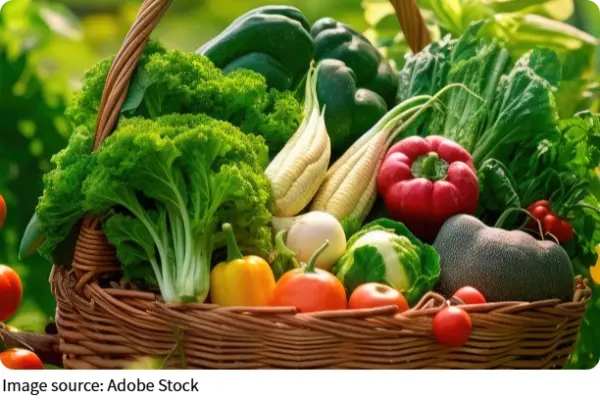
Picture this: you're standing in the produce aisle, wondering what choices actually make a difference for your heart. Doctors talk about eating more vegetables, but which ones are most powerful for cardiovascular health?
The truth is, certain vegetables are loaded with nutrients that directly support blood pressure, cholesterol balance, and overall circulation. Adding them to your meals isn't complicated, but it can change the way your heart feels for years to come.
Leafy Greens: Nature's Blood Pressure Regulator
Leafy greens like spinach, kale, and Swiss chard are rich in nitrates, which the body converts into nitric oxide—a compound that relaxes blood vessels and improves circulation.
1. Spinach packs magnesium and potassium, helping balance sodium levels in the body.
2. Kale offers fiber and antioxidants that reduce inflammation, a key driver of heart disease.
3. Swiss chard provides iron and vitamin K, which support healthy blood clotting.
Adding a handful of greens to smoothies, salads, or soups is one of the simplest ways to nourish your heart daily.
Broccoli: A Fiber and Antioxidant Champion
Broccoli is more than just a side dish—it's a cardiovascular ally.
1. Its soluble fiber helps lower LDL cholesterol, the “bad” kind linked to artery buildup.
2. Sulforaphane, a compound in broccoli, has been shown to protect blood vessels from oxidative stress.
3. It also delivers vitamin C, which supports healthy blood vessel walls.
Roasting broccoli with olive oil or adding it to stir-fries can turn it into a satisfying main ingredient instead of a forgotten garnish.
Beets: Boosting Blood Flow
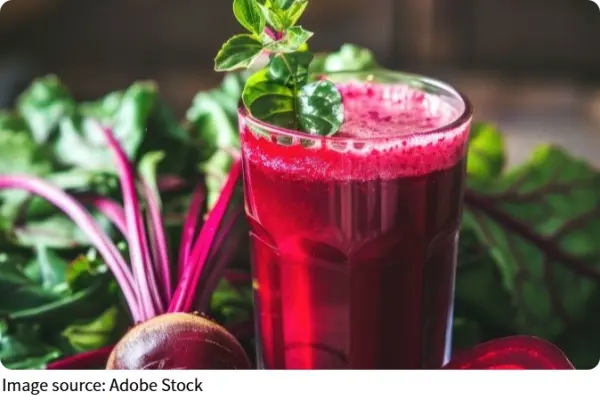
Beets stand out for their vibrant color—and their heart benefits.
1. High in nitrates, they improve oxygen delivery by widening blood vessels.
2. Regular consumption has been linked to lower blood pressure and improved stamina.
3. They're also rich in folate, a vitamin essential for reducing homocysteine, an amino acid that can damage arteries.
Beet juice before exercise has even been shown to improve endurance, making it a favorite among athletes and heart-conscious eaters alike.
Garlic: The Tiny Heart Protector
Garlic may be small, but its impact is powerful.
1. Allicin, the active compound in garlic, is linked to reduced blood pressure.
2. It helps lower cholesterol levels, particularly LDL.
3. Its anti-inflammatory and antioxidant properties further support heart health.
Adding raw garlic to dressings or lightly cooking it in olive oil not only elevates flavor but also gives your heart extra protection.
Carrots: Crunch With a Cardiovascular Bonus
Carrots aren't just good for your eyes—they're heart-friendly too.
According to the American Heart Association, carrots contribute to heart health thanks to their antioxidant compounds, such as beta-carotene, which help protect blood vessels from oxidative damage. Their fiber content supports healthy cholesterol levels, while their natural sweetness makes them a smart alternative to processed snacks. Enjoyed raw with hummus or incorporated into soups, carrots offer both flavor and cardiovascular benefits.
1. Beta-carotene and other antioxidants fight oxidative damage in blood vessels.
2. Their fiber content helps reduce cholesterol absorption.
3. Their natural sweetness makes them an easy swap for processed snacks.
Enjoying them raw with hummus or blended into soups provides both crunch and care for your heart.

Tomatoes: Lycopene Powerhouse
Tomatoes are loaded with lycopene, a powerful antioxidant tied to reduced risk of heart disease.
1. Lycopene helps lower LDL cholesterol while increasing HDL, the “good” cholesterol.
2. Cooked tomatoes—like in sauces—actually increase lycopene availability.
3. Their potassium content also supports stable blood pressure.
Think beyond salads: simmered tomato sauces and soups can be as heart-protective as they are comforting.
Brussels Sprouts: Small but Mighty
These mini cabbages often get overlooked, but they're nutrient-dense.
1. They contain omega-3 plant-based fatty acids, unusual for vegetables, which help reduce inflammation.
2. High fiber content supports healthy cholesterol levels.
3. They deliver vitamin K, crucial for blood clot regulation.
When roasted until caramelized, Brussels sprouts transform into a dish even skeptics can enjoy.
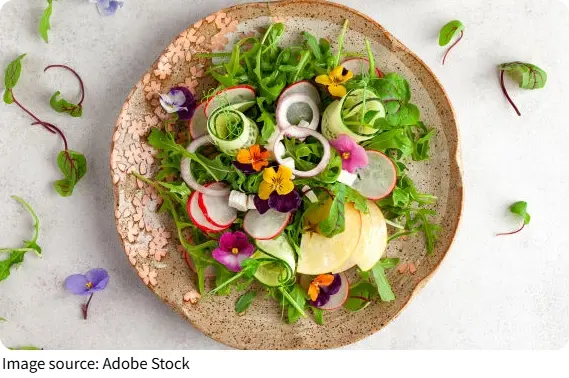
Eating for your heart doesn't mean strict diets or bland meals. It's about weaving these vegetables into your routine—whether it's a green-packed smoothie in the morning, roasted carrots at lunch, or garlic-tomato pasta at dinner.
Your heart doesn't thrive on one-time fixes; it responds to consistent care. Each plate of greens, beets, or broccoli is like a small investment in your future. The next time you shop, let your cart reflect not just what looks good today, but what keeps your heart strong tomorrow.