Texture Matters

Pankaj Singh
| 17-12-2025
 · Cate team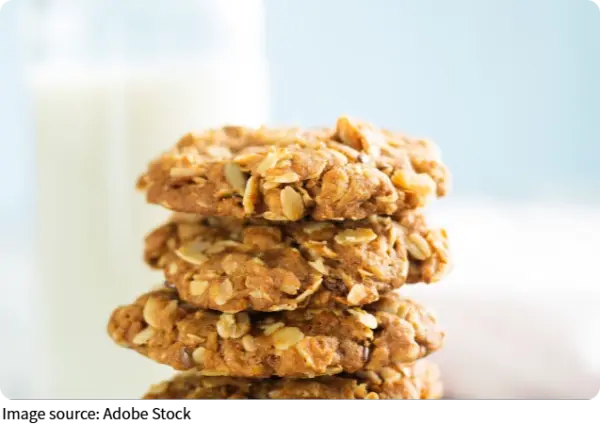
Bite into a perfectly crisp cookie, and you'll notice it's not just the flavor that makes you smile—it's the crunch. Now imagine the same cookie turning out soggy. Suddenly, it feels disappointing, even if the taste is the same. That's the power of texture in desserts. Flavor may grab attention, but texture is what keeps you coming back for another bite.
Let's explore why texture is so important, and how you can use it to take your desserts from ordinary to extraordinary.
The Science of Mouthfeel
Texture is often described as “mouthfeel”—how food feels when you chew, bite, or let it melt. A scoop of gelato feels different from ice cream because of butterfat content and churning. A cheesecake is creamy because of the cheese base, while a meringue is airy thanks to whipped egg whites. These differences in mouthfeel create variety, keeping desserts interesting and memorable. Without texture, even the most flavorful dessert can feel flat.
Harold McGee, food scientist and author of On Food and Cooking: The Science and Lore of the Kitchen, is widely cited for explaining how texture (mouthfeel) affects our perception of food. His work explains that lipid content, air incorporation, and protein structure all influence how foods feel in the mouth — which in turn affects enjoyment and memorability.
Balance Is Everything
Great desserts usually mix multiple textures. Imagine a sundae: smooth ice cream, crunchy nuts, chewy brownie pieces, and sticky caramel sauce. Each bite is exciting because it shifts between sensations. Texture layering makes desserts feel more dynamic and keeps them from becoming boring after the first spoonful.
1. Creamy and smooth: Custards, mousses, and puddings soothe the palate.
2. Crispy and crunchy: Cookies, nuts, and caramel shards add energy and contrast.
3. Chewy and dense: Brownies, dried fruit, and nougat give desserts substance.
4. Light and airy: Whipped cream, sponge cakes, and meringues bring lift and balance.
The best desserts aren't about choosing one texture—they're about combining them thoughtfully.
How to Create Contrast?
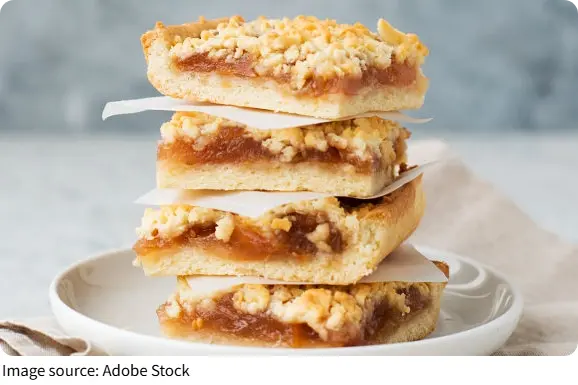
When planning or making desserts, think about texture contrast as much as flavor. A slice of pie is far more satisfying when the crust is crisp against a silky filling. Even something simple, like yogurt with granola, works because the creamy base contrasts with crunch. To achieve this in your kitchen, you can:
1. Add a crunchy element to soft desserts—think cookie crumbs on pudding.
2. Include a creamy component to balance dense treats, like whipped cream on a tart brownie.
3. Play with temperature: warm crumble over cold ice cream is irresistible.
The idea is simple—opposites make each other shine.
Examples of Texture in Action
Let's look at a few desserts that succeed because of texture:
• Crème brûlée: silky custard beneath a glassy sugar crust you shatter with a spoon.
• Tiramisu: airy mascarpone cream layered with soft, coffee-soaked ladyfingers.
• Pavlova: crisp meringue shell that gives way to marshmallow-like insides, topped with fresh cream and fruit.
• Apple crumble: tender baked fruit under a crunchy oat topping, best served warm with ice cream.
Each of these desserts pairs smoothness with crispness or softness with crunch. That interplay is what makes them timeless favorites.
Practical Tips for Home Bakers
Texture isn't just for professional chefs. With a few small adjustments, anyone can make desserts more exciting:
1. Use nuts, seeds, or toasted coconut as toppings for instant crunch.
2. Chill creams and mousses properly so they hold structure and stay smooth.
3. Bake crusts or bases long enough to avoid sogginess.
4. Layer elements instead of mixing everything together—this keeps textures distinct.
5. Don't forget garnishes like sugar shards, fruit crisps, or even a drizzle of caramel that firms up when cooled.
These tricks are simple, but they elevate everyday desserts into something special.
Why Texture Stays in Memory?
Think about your most vivid dessert memories. Was it just the flavor, or was it also the way it felt? Maybe it was the crunch of a cannoli shell or the creamy melt of a panna cotta. Texture creates a sensory experience that lingers long after the taste fades. That's why a well-made dessert doesn't just feed you—it leaves an impression.
Texture is the silent partner of flavor, turning sweet ideas into unforgettable experiences. Next time you enjoy dessert, pay attention to how it feels, not just how it tastes. And if you're making one yourself, ask: how can I add a little crunch, creaminess, or chew? That small detail might be the difference between a good dessert and one that makes people say, “Wow, I need that recipe.”