Seaside Relaxation Picks

Mason O'Donnell
| 11-02-2026
 · Travel team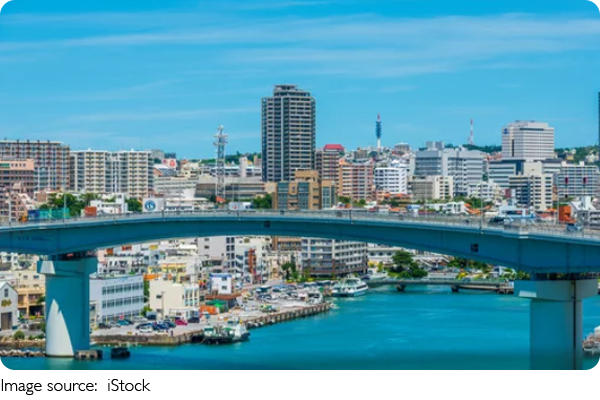
Relaxation by the sea depends less on beauty and more on execution. Crowds, access, and timing decide whether days feel calm or compressed. For Lykkers who want a clear yes or no before booking, this guide identifies three seaside destinations that consistently support rest when approached correctly.
Only two aspects are covered in depth because they matter most for this theme: when to go for low pressure conditions, and how to arrive, move, and exit without friction. Each destination includes concrete logistics so the experience forms a complete loop from arrival to departure.
When to Go for Real Downtime?
Choosing the right season is the single biggest factor in seaside relaxation. These destinations perform best outside their loudest peaks.
Algarve
Late May to mid June and late September are ideal. Temperatures stay comfortable, beaches remain open and uncrowded, and services operate on full schedules. July and August bring heavy domestic travel and reduced quiet space.
Plan four to five nights. Shorter stays feel rushed due to spread out beaches. Longer stays add repetition unless adding inland villages.
Okinawa
Late April to early June works best, avoiding summer humidity and peak holiday weeks. October also offers stable conditions with fewer visitors. Avoid August due to heat and school breaks.
Three to four nights is enough for steady pacing. More time is suitable only if staying on a single island rather than moving.
Maui
Late April to early June and September are the calmest windows. Winter brings higher surf and more visitors. Summer increases costs and congestion.
Plan at least five nights. Short stays lose value due to flight length and time zone adjustment.
Common timing mistakes
Assuming shoulder season means limited services is a frequent error. In all three destinations, core infrastructure remains open while pressure drops. Another mistake is arriving on major local holidays, which compresses access and increases noise.

Arrival, Movement, and Daily Structure
Even calm destinations fail if daily movement is inefficient. These locations support relaxation when logistics are kept simple.
Algarve logistics
Fly into Faro Airport. From the airport, taxis to central coastal towns take 20 to 40 minutes and cost roughly 20 to 40 euros. Renting a small car adds flexibility and costs around 35 euros per day.
Choose one base town near the coast and avoid daily relocation. Beaches are spread out, but driving times are short. Start mornings early, rest midday, and return to quieter stretches by late afternoon.
Exit via Faro Airport with morning departures preferred to avoid road congestion.
Okinawa logistics
Fly into Naha Airport. Staying north of Naha reduces urban noise. Airport buses connect resort areas in 90 minutes or less, costing around 1500 yen.
Avoid daily island hopping. Choose one main beach area and walk or use local buses. Early mornings and late afternoons are calmest along the shore.
Departures after noon are smoother due to lighter morning traffic around the airport.
Maui logistics
Arrive at Kahului Airport. Rental vehicles are essential and cost around 60 to 80 USD per day. Choose accommodation close to the beach you plan to use most.
Limit driving. Long scenic routes add fatigue. Keep days structured with one main beach and one short activity only.
Evening returns to accommodation before sunset reduce road pressure.
Physical effort and pacing
All three destinations require minimal physical effort if planned correctly. Avoid packed itineraries. One primary activity per day preserves rest. Walking distances are manageable, and elevation changes are limited near shorelines.
Pitfalls that reduce relaxation
Changing accommodation too often breaks rhythm. Another issue is overbooking activities due to fear of missing out. Relaxation improves when choosing fewer, repeatable routines.
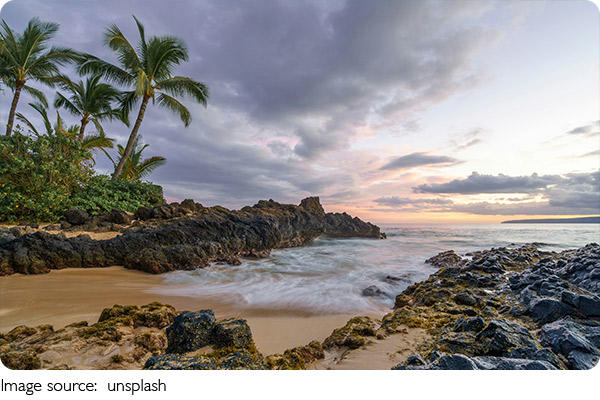
True seaside relaxation comes from restraint and structure. Algarve, Okinawa, and Maui deliver consistent calm when visited in the right season and navigated simply. Each works best with one base, limited daily movement, and early starts followed by long pauses. These destinations are worth a confident yes if your priority is rest supported by reliable access and clear pacing. If constant movement or packed schedules matter more, even the quietest coast will feel busy.