Riding the Market Wave

Pardeep Singh
| 04-02-2026
 · Automobile team
The rumble of engines on city streets isn't just a sound—it's a sign of a market that's always moving.
Motorcycle sales, designs, and trends reflect more than just rider preferences; they reveal the pulse of the global industry.
Watching these shifts helps riders, dealers, and enthusiasts understand what's next, from new models to emerging technologies.
Growth Patterns and Market Expansion
The motorcycle market has seen periods of rapid growth interspersed with steady plateaus. Understanding these patterns offers insight into where the industry is heading.
Urban demand: City dwellers increasingly choose motorcycles for commuting due to traffic congestion and fuel efficiency. In densely populated areas, compact scooters and lightweight motorcycles are often preferred, leading manufacturers to produce more urban-friendly models.
Lifestyle appeal: Beyond commuting, motorcycles are becoming lifestyle statements. Adventure touring bikes, café racers, and custom models attract riders who value design and identity, expanding the market beyond traditional users.
Emerging electric models: Electric motorcycles are gaining traction. Early adopters appreciate the quiet operation and environmental benefits, encouraging manufacturers to invest in battery technology and innovative designs that cater to this growing segment.
Tracking these trends helps both buyers and industry players anticipate shifts in demand and preferences.
Technological Advancements Driving Change
Innovation isn't just about aesthetics; it's a major driver of market dynamics. Modern motorcycles are packed with features that reshape rider expectations.
Smart dashboards and connectivity: GNSS, smartphone integration, and advanced telemetry offer riders real-time data and enhanced safety, attracting tech-savvy customers. Brands that implement these features often see increased sales.
Lightweight materials: The use of alloys, composites, and high-strength plastics allows for faster, more fuel-efficient motorcycles without sacrificing strength. Riders benefit from easier handling and improved performance, which can influence purchasing decisions.
Safety innovations: Anti-lock braking systems (ABS), traction control, and adaptive suspension are no longer optional. As more riders prioritize safety, motorcycles equipped with these features see higher demand, prompting competitors to follow suit.
Technological adoption shapes not just the products but the strategies manufacturers use to appeal to modern riders.
Shifts in Consumer Preferences
Rider tastes evolve with culture, lifestyle, and practical considerations. Recognizing these shifts helps the market adjust quickly.
Customization trends: Many riders want a personal touch, driving demand for modular designs and aftermarket parts. Builders and dealerships can offer packages that cater to this desire, boosting engagement.
Eco-conscious buyers: Rising environmental awareness influences purchases. Lighter emissions, electric models, and hybrid options appeal to those balancing performance with sustainability.
Experience over speed: More riders prioritize comfort, style, and long-distance touring over raw power. Touring bikes with ergonomic seating, luggage capacity, and weather protection are seeing increased sales, reflecting this lifestyle shift.
Manufacturers that track these preferences can anticipate which segments will expand and adjust their strategies accordingly.
Economic Factors Affecting the Market
Motorcycle sales don't exist in isolation—they respond to broader economic trends that influence buying power and consumer confidence.
Fuel prices: When fuel costs rise, fuel-efficient motorcycles and scooters often see spikes in demand. Buyers look for alternatives that reduce daily expenses.
Disposable income shifts: Economic growth in certain regions increases the number of buyers able to purchase mid- to high-range models, whereas slower growth or recessions can push consumers toward used or budget-friendly bikes.
Financing and incentives: Installment plans, trade-in programs, and manufacturer incentives make motorcycles more accessible, expanding the market to first-time buyers who may otherwise hesitate.
By watching these economic signals, both dealers and manufacturers can plan product launches, promotions, and inventory management effectively.
Market Prospects and Emerging Opportunities
The motorcycle industry continues to evolve, presenting new opportunities for innovation, engagement, and growth.
Electric mobility expansion: As battery technology improves, electric motorcycles will become more practical and affordable, attracting riders previously hesitant about range limitations.
Urban mobility integration: Partnerships with shared mobility services and delivery platforms offer manufacturers new revenue streams, particularly in crowded cities.
Experiential marketing: Motorcycle events, riding schools, and lifestyle branding engage riders beyond the product itself, creating loyalty and community that fuels long-term growth.
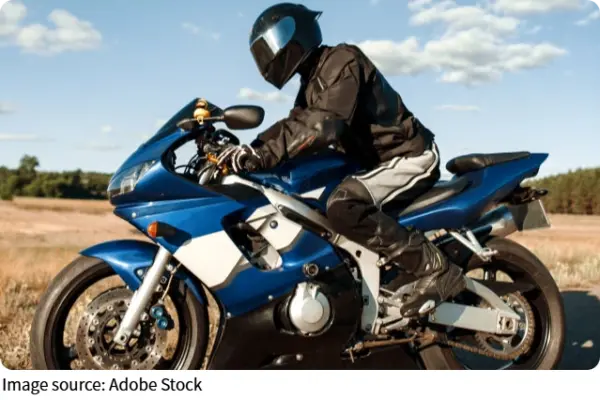
For riders, enthusiasts, and industry insiders, understanding these trends isn't just interesting—it's essential. The global motorcycle market is more than a set of numbers; it's a reflection of culture, technology, and personal choice. By following its evolution, anyone involved can make smarter decisions, whether buying their next bike, launching a new model, or simply enjoying the ride.