Smarter Streets

Amit Sharma
| 01-02-2026
 · Automobile team
You're waiting at a busy intersection, watching the lights change, and thinking about how chaotic city streets can get.
One missed signal or sudden lane change can easily lead to an accident.
Cities are starting to tackle this problem with intelligent traffic management systems — networks of sensors, cameras, and smart signals that communicate in real time. By monitoring traffic patterns and providing instant guidance, these systems don't just improve flow — they prevent accidents before they happen.
Real-Time Traffic Monitoring
Sensor networks
Live camera feeds
Data-driven alerts
Modern traffic management systems use a combination of road sensors and cameras to track vehicle speeds, congestion levels, and unusual driving behavior. These devices feed data into central control systems that can detect potential hazards, such as vehicles moving too fast or sudden stops, and alert drivers or adjust signals accordingly.
Actionable example:
Cities can install speed detection sensors at accident-prone intersections. When a car exceeds the speed limit, the system can trigger warning lights or dynamic speed signs to slow drivers down.
Adaptive Traffic Signals
Smart signal timing
Priority for emergency vehicles
Dynamic lane management
Adaptive traffic signals adjust the timing of lights based on real-time conditions rather than fixed schedules. This reduces congestion and minimizes risky situations like sudden braking or red-light running. Some systems even prioritize emergency vehicles, giving them green waves to clear the streets safely.
Actionable example:
Install adaptive signals on streets with frequent congestion during rush hour. Monitor data to adjust cycles and prevent backups that often lead to rear-end collisions.
Integrated Vehicle-to-Infrastructure Communication
Connected cars
Instant hazard warnings
Automated rerouting
Vehicles equipped with communication systems can receive alerts from traffic infrastructure. For instance, if a lane is blocked ahead, drivers are warned in advance and can choose alternative routes. These systems also inform autonomous or semi-autonomous vehicles about road conditions, enhancing their safety algorithms.
Actionable example:
Equip buses and taxis with connected devices that relay congestion and road hazard data back to the central system, benefiting all drivers in the network.
Predictive Analytics for Accident Prevention
Analyzing historical data
Identifying high-risk zones
Proactive traffic management
By examining years of traffic patterns and accident reports, intelligent systems can predict areas with a higher likelihood of crashes. Authorities can then deploy preventive measures such as dynamic speed limits, warning signs, or temporary lane closures.
Actionable example:
Use predictive modeling to identify intersections with frequent side-impact crashes. Install flashing caution signals and monitor traffic flow to reduce risk during peak hours.
Public Awareness and Driver Assistance
Digital signage
Mobile alerts
Community engagement
Real-time traffic updates aren't just for city operators — they also reach drivers directly. Mobile apps or digital road signs can alert drivers about sudden congestion, icy patches, or emergency vehicle activity, giving them time to react safely. Engaging the public with timely warnings reduces reckless behavior and encourages safer driving habits.
Actionable example:
Integrate traffic alert apps with local navigation tools, so riders and drivers get live notifications about hazards like construction or accident scenes.
Continuous System Improvement
Regular data review
Machine learning updates
Feedback loops
Traffic systems get smarter over time. Continuous analysis of collected data allows city operators to fine-tune signal timing, sensor placement, and alert thresholds. Machine learning algorithms can improve predictive capabilities, making the city safer with each passing year.
Actionable example:
Schedule monthly reviews of sensor and camera data to adjust system algorithms for maximum accident prevention efficiency.
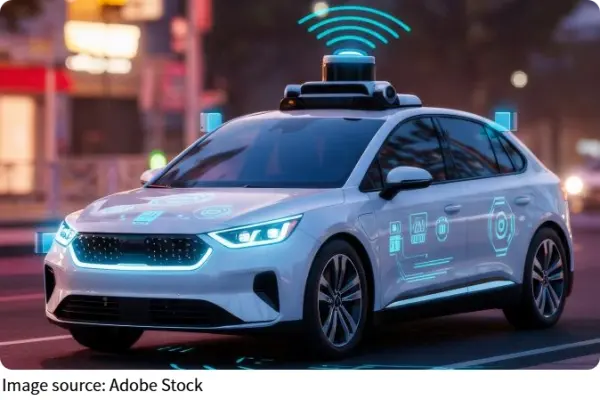
Intelligent traffic management turns busy streets into coordinated networks where vehicles, signals, and control centers work together to minimize risks. By monitoring conditions, adapting in real time, and communicating directly with drivers, these systems offer a proactive approach to safety. The streets may still be bustling, but with smart traffic technology, every ride can become a little smoother and far safer.