Future Car Materials

Nolan O'Connor
| 01-02-2026
 · Automobile team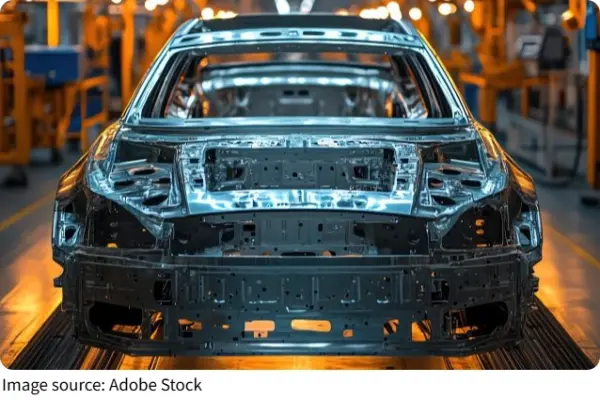
You might not notice it at first glance, but the materials shaping a car's exterior play a huge role in both safety and style.
The sleek lines, the way light glances off a surface, even how the car feels when you tap it—all of it depends on material choice.
As automakers push toward lighter, stronger, and more sustainable options, the future of car design is being rewritten at the molecular level.
Aluminum and Its Versatility
Aluminum has long been valued for its light weight, but today's automotive designs use it in innovative ways to improve both performance and safety. Its strength-to-weight ratio allows designers to reduce overall vehicle mass, improving efficiency while maintaining structural integrity in key areas.
Actionable example: Replacing traditional steel panels on a sedan's hood and doors with aluminum.
This not only boosts fuel efficiency but also lowers the center of gravity, enhancing handling. When designing the exterior, consider using aluminum in areas that benefit most from rigidity without adding extra weight, like door frames and roof panels.
Carbon Fiber for Strength and Style
Carbon fiber is a material that screams futuristic design while offering impressive impact resistance. Its high tensile strength and low weight allow for dramatic, sculpted forms that would be difficult with metal alone. While historically expensive, advances in production have made it more feasible for mainstream vehicles.
Actionable example: Imagine a front bumper crafted from carbon fiber reinforced polymer. Not only does it resist deformation during minor impacts, but its textured weave also gives the car a high-tech aesthetic. Designers can leave portions of the weave exposed to create a visual signature that communicates both toughness and sophistication.
High-Strength Steel in Strategic Zones
Despite new materials, steel remains essential. Modern high-strength steels allow designers to reinforce critical safety areas like pillars and side panels without adding excessive weight. Using steel strategically ensures crash protection while keeping the rest of the body lightweight.
Actionable example: Reinforce pillars with ultra-high-strength steel while using aluminum for door panels. This combination maintains occupant safety during side impacts and reduces overall mass, improving acceleration and braking performance.
Innovative Polymers and Composites
Plastics and composite materials have evolved far beyond traditional bumpers and trim. Today's polymers can be incredibly strong, UV-resistant, and even self-healing. They allow for complex curves and integrated aerodynamic features without heavy tooling.
Actionable example: A rear diffuser made from reinforced polymer can be molded as a single piece, eliminating seams and gaps. This not only improves airflow around the car but also maintains the clean, futuristic look designers aim for. In addition, certain polymers can absorb small impacts, reducing minor dent repair costs.
Glass and Transparent Materials
Lightweight, high-strength glass innovations let designers expand panoramic roofs and sleek windshields while maintaining safety. Laminated and tempered glass can reduce weight compared to traditional glass panels, and advanced coatings can improve glare reduction and solar heat control.
Actionable example: Using a laminated, ultra-thin glass roof reduces weight by 20–30 pounds compared with standard glass panels. Designers can then extend this glass seamlessly into side windows for a more open, futuristic cabin feel, all while preserving structural integrity.
Combining Materials for Maximum Effect
The future of car exteriors isn't about choosing one material—it's about intelligent combinations. By mixing aluminum, carbon fiber, high-strength steel, and advanced polymers, designers can craft vehicles that are lighter, safer, and more visually striking. Every curve, every panel, and every joint is an opportunity to optimize performance and aesthetics.
Actionable example: Consider a sports coupe with an aluminum body, carbon fiber hood and roof, steel safety cage, and polymer bumpers. This layered approach keeps weight low, enhances crash protection, and allows designers to explore bold, flowing shapes without compromise.
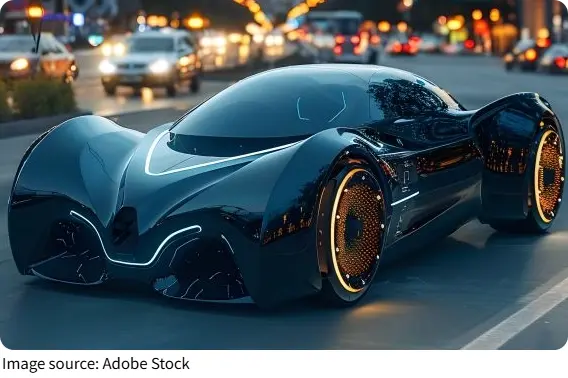
The materials used in future car designs do more than just hold the shape—they define how a vehicle moves, feels, and even communicates its purpose. Light, strong, and smart materials allow designers to push boundaries, creating cars that are not only safer and more efficient but also more exciting to look at.
Next time you see a sleek, futuristic vehicle, take a moment to consider what's beneath that surface—every panel tells a story of engineering ingenuity and design innovation.