Luxury Cars Go Personal

Mason O'Donnell
| 02-02-2026
 · Automobile team
Stepping into a luxury car showroom today is no longer about choosing a model off the floor.
Buyers expect experiences that reflect their personality, tastes, and lifestyle. From unique paint colors to tailored interiors, the high-end market is evolving toward deep personalization.
Manufacturers are responding by offering options that transform a vehicle from a standard product into a personal statement.
Customized Exterior Finishes
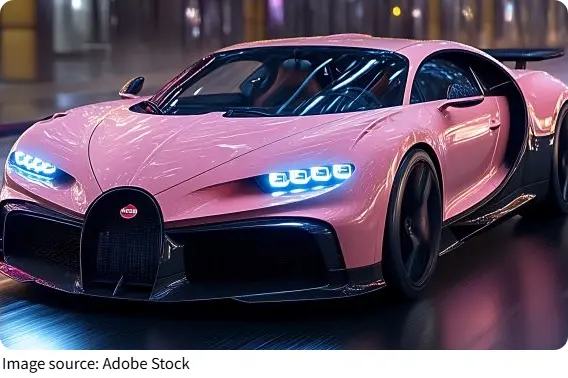
Exterior personalization goes far beyond basic color choices. Luxury brands now offer bespoke paint programs, metallic finishes, and even multi-layered effects that change under different lighting conditions. These options allow customers to express individuality and stand out on the road.
Actionable example: A buyer can select a custom pearlescent paint that shifts from deep blue to violet depending on the angle of sunlight. Dealers and design teams should maintain a portfolio of unique finishes and guide clients through visualization tools so they can see exactly how their choices will appear in real life.
Tailored Interior Materials and Layouts
Inside the cabin, personalization reaches new levels. Leather, stitching, trim materials, and even seat configurations can be customized. Beyond aesthetics, interior layouts can cater to lifestyle needs, like including cooled compartments, built-in tech hubs, or lounge-style seating.
Actionable example: A customer might choose a two-tone leather interior with hand-stitched accents, combined with a custom console layout that holds a luxury watch collection. Designers should offer interactive configurators that let buyers mix and match materials, patterns, and layouts before finalizing the order.
Advanced Technology Integration
High-end consumers also expect their vehicles to reflect the latest in technology, seamlessly integrated into a personalized package. From infotainment systems to adaptive driver assistance, features can be tailored to enhance comfort, convenience, and connectivity.
Actionable example: A buyer could request a custom dashboard interface that prioritizes specific data, like navigation or media, and integrates their smart home devices. Automotive tech teams should ensure these systems are intuitive, reliable, and adaptable to ongoing software updates without compromising the bespoke elements of the design.
Exclusive Performance Options
Luxury personalization extends to performance. Customers can specify engine tuning, suspension settings, and even exhaust systems to match their driving style. This allows for vehicles that are not only visually unique but also perform exactly as the owner desires.
Actionable example: A sports sedan owner may request a suspension tuned for track days while keeping a smooth, quiet ride for city driving. Engineers and sales teams should work closely with customers to balance performance customization with safety, warranty, and compliance standards.
Limited Editions and Collaboration Models
Some buyers seek exclusivity beyond standard customization. Limited editions or collaboration models provide unique design elements, special badging, or signature features that are unavailable elsewhere. These create a sense of ownership, pride, and often increase the vehicle's long-term value.
Actionable example: A customer could commission a one-off vehicle in partnership with a luxury watchmaker, featuring embedded design cues and materials inspired by the brand's iconic pieces. Sales and marketing teams should highlight the rarity and bespoke nature of such collaborations to enhance the appeal for collectors.
Personalization as a Lifestyle Statement
Ultimately, customization in luxury cars is about aligning the vehicle with the owner's identity. It's no longer just transportation; it's an extension of taste, status, and personality. The more seamlessly and creatively brands can integrate personal preferences, the stronger the emotional connection a buyer feels with their car.
Actionable example: Some clients request interior fragrances, custom sound signatures, or mood lighting setups that match their favorite environments. Designers and brand teams should provide guidance on how these elements combine cohesively to maintain both elegance and functionality.
Luxury car buyers are no longer satisfied with off-the-shelf models. They want vehicles that speak to their individuality and lifestyle, with every element—from paint to performance—reflecting their personal choices. For brands, embracing bespoke services is not just a trend, it's a key strategy for fostering loyalty, differentiation, and long-term customer satisfaction.