Brake With Confidence

Ethan Sullivan
| 02-02-2026
 · Automobile team
Have you ever noticed how a sudden stop can make everyone in the car jolt? Braking might seem straightforward, but doing it right takes skill.
Today, we’ll explore practical ways we can brake smoothly, avoid common mistakes, and stay in control no matter the road conditions. By applying these techniques, we can drive safer and make every ride more comfortable for ourselves and our passengers.
Understanding the Brake System
The primary function of a brake system is to slow down or stop a vehicle. Modern cars typically use hydraulic brakes. When we press the brake pedal, hydraulic fluid transmits force to the brake calipers, which then push the brake pads against the brake discs.
This friction slows the car. The effectiveness of braking depends on multiple factors, including the brake system design, the car’s speed, road surface friction, and our own driving skills. Understanding this helps us adapt our braking to different conditions.
Predict and Decelerate Early
One of the most important skills is anticipating when we need to slow down or stop. For example, when approaching a red light, we should gradually release the accelerator and gently press the brake instead of slamming it suddenly. This avoids jolts, keeps passengers comfortable, and helps maintain control. Paying attention to traffic ahead and reading the road conditions allows us to brake more smoothly and safely.
Control the Braking Force
We should adjust braking strength according to the situation. In city traffic with stoplights, pedestrians, or other vehicles, gentle pressure on the brake keeps the car stable. On highways, if an emergency stop is required, we may need to brake harder. However, it’s crucial to control the pressure to prevent the car from losing traction or skidding. Smooth, controlled braking is always safer than sudden force.
Use ABS Effectively
Most modern vehicles have Anti-lock Braking Systems (ABS), which prevent wheel lock during sudden stops. When using ABS, we should press the brake pedal firmly and consistently rather than pumping it. This allows the system to work optimally, keeping the car stable and steerable even during emergency braking. Learning how to trust ABS can significantly improve our safety.
Avoid Frequent Braking
Frequent braking and accelerating not only wear down the brakes faster but also waste fuel. We can cultivate a habit of maintaining a steady speed and anticipating traffic flow to reduce unnecessary braking. This keeps our drive smoother and reduces wear on the car.
Handling Sudden Braking
New drivers often instinctively press the brake hard in emergencies, causing the car to skid or lose control. The correct approach is to stay calm, quickly assess the situation, and brake with appropriate pressure while steering to maintain stability. Practice and awareness help us react correctly under pressure.
Adjust for Road Conditions
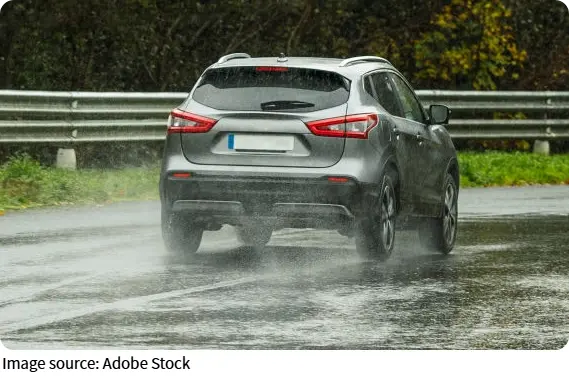
Wet or icy roads can make braking dangerous. In these situations, pressing the brake abruptly may cause the car to slide. Instead, we should slow down gradually, possibly easing off the accelerator first and using engine braking to reduce speed. Adjusting braking to road conditions is key to staying safe.
Check Mirrors While Braking
It’s common to focus only on the road ahead, but we must also be aware of traffic behind us. Before braking, a quick glance in the rearview mirror ensures that following cars have enough distance, helping prevent rear-end collisions.
Practice in Safe Environments
We can build confidence by practicing braking techniques in safe, controlled areas. Trying different scenarios repeatedly enhances our sensitivity to braking and helps us judge distances and speeds more accurately. Simulation and repetition make real-world driving safer.
Learn From Professionals
If we feel unsure about our braking skills, consulting a professional driving instructor can help. They provide guidance on proper braking techniques, emergency responses, and how to handle unexpected road situations. Professional tips can significantly boost our competence and confidence.
Maintain a Calm Mindset
Staying calm is essential behind the wheel. In unexpected situations, panicking can worsen the outcome. We should evaluate road conditions quickly and respond sensibly. Braking isn’t just about pressing the pedal—it’s about thinking ahead, adjusting to the environment, and staying composed.
Drive Smart, Stay Safe
Braking might seem simple, but it actually requires attention to many details. By understanding how brakes work, practicing smooth stopping, learning from mistakes, and training regularly, we can greatly enhance our safety on the road. With the right skills and awareness, we can handle unexpected situations calmly and enjoy driving with confidence every time we get behind the wheel.