Eco Ride

Liam Reilly
| 02-02-2026
 · Automobile team
These days, traveling green isn’t just a trend—it’s becoming a lifestyle. With climate change and environmental awareness on the rise, many of us are looking for ways to move around without harming the planet.
Electric vehicles (EVs) and other new-energy cars are leading this shift. They’re cleaner, quieter, and more energy-efficient than traditional cars. On top of that, they can save us money on fuel and maintenance in the long run.
Let’s explore how these vehicles are transforming our daily travel and making green mobility practical for everyone.
Energy-Saving Features of New-Energy Vehicles
New-energy vehicles include electric cars, plug-in hybrid cars, and fuel-cell cars. Unlike gasoline or diesel vehicles, they run on electricity or other clean energy sources, giving them a clear advantage in energy efficiency.
- High-Efficiency Energy Conversion: Electric motors convert battery power directly into movement with minimal loss. Gas cars, by contrast, lose a lot of energy as heat when burning fuel. This means EVs can travel farther with the same energy input, making every kilowatt-hour count.
- Energy Recovery Systems: Many EVs come with regenerative braking, which captures energy when slowing down or braking and sends it back to the battery. This feature alone can increase energy efficiency by 10–20% on city commutes, extending driving range without extra charging.
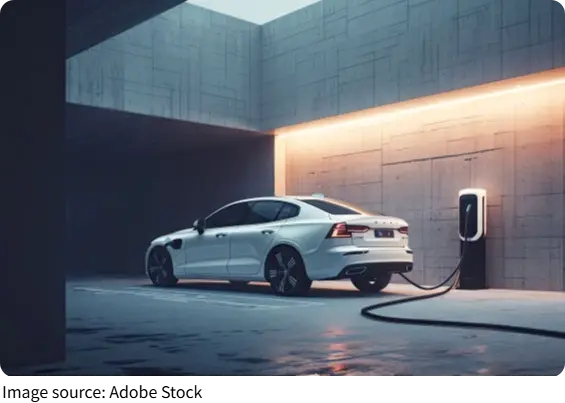
- Night Charging Benefits: Charging EVs at night helps balance electricity usage across the grid by using off-peak power. This reduces stress on the grid and helps us save on electricity costs, as many regions offer lower nighttime rates. With the right planning, our cars can act as mobile storage units for clean energy.
Environmental Advantages
The environmental benefits of new-energy vehicles are just as important as their energy savings. They reduce pollution, lower carbon emissions, and encourage the use of clean energy.
- Zero Tailpipe Emissions: EVs produce no emissions while driving, improving urban air quality. Traditional gas cars release nitrogen oxides, carbon monoxide, and particulate matter, which harm our lungs and contribute to smog. Switching to EVs in cities can make a noticeable difference in air quality within a few years.
- Lower Carbon Footprint: Even accounting for electricity from power plants, EVs produce far fewer CO₂ emissions than gasoline cars. As renewable energy like solar, wind, and hydro grows, the carbon footprint of EVs will shrink further, helping us combat climate change.
- Quieter Streets: Electric engines are much quieter than combustion engines. Reduced traffic noise improves life quality, especially in residential areas, schools, and hospitals. Imagine commuting to work or school without the constant roar of engines—it’s a small change that makes a big impact.
- Supporting Clean Energy: The more we use EVs, the higher the demand for renewable energy. This encourages governments and companies to invest in solar panels, wind farms, and hydro plants. Over time, this creates a virtuous cycle where cleaner energy powers cleaner transportation.
Future Development of New-Energy Vehicles
Even with all their advantages, EVs face challenges like higher upfront costs, limited charging stations, and range anxiety. But these barriers are shrinking as technology and policies advance.
- Technological Innovation: Battery technology is improving rapidly. New batteries are lighter, more energy-dense, and longer-lasting. For example, modern EVs can travel 300–500 km per charge, and fast-charging stations can refill 80% of the battery in 20–30 minutes. Smart driving aids and connected car features also make driving safer and more convenient.
- Policy Support: Governments worldwide are offering incentives like tax breaks, subsidies, and charging infrastructure. Some cities provide priority lanes or free parking for EVs. These measures make adopting green vehicles more affordable and appealing.
- Growing Market Demand: More people now care about sustainability and recognize the benefits of EVs. In major cities or areas with strict environmental regulations, EVs are increasingly the first choice. From daily commutes to weekend trips, more families are opting for EVs over conventional cars.
Let’s Go Green!
Lykkers, new-energy vehicles aren’t just symbols of green travel—they’re reshaping our daily lives. They save energy, reduce pollution, and create quieter streets, all while encouraging renewable energy growth.
While challenges remain, technological advances, government support, and growing awareness make the future bright. Together, we can make EVs a normal part of everyday travel, contributing to a cleaner, greener planet. Let’s embrace this change and enjoy a more sustainable journey every time we move from place to place!