Zen Home Bliss

Caroll Alvarado
| 03-02-2026
 · Lifestyle team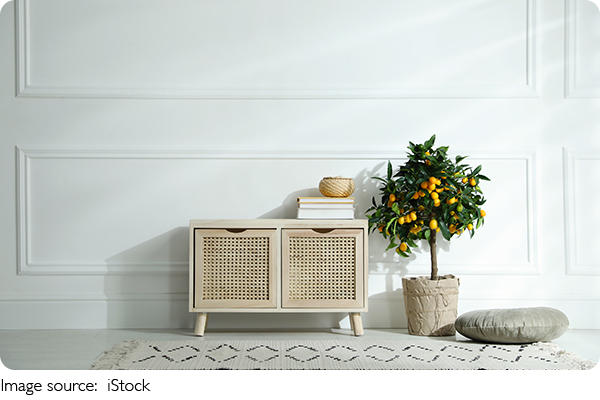
Lykkers, have you ever dreamed of stepping into a home that instantly feels calm and inviting? Japanese minimalist interior design offers exactly that. It’s about creating spaces where simplicity meets functionality, and every element has a purpose.
By using natural materials and gentle color palettes, we can transform even a small city apartment into a peaceful retreat. Minimalism isn’t emptiness—it’s about thoughtful choices that bring comfort, beauty, and harmony into daily life.
Natural Colors and Materials
A Japanese minimalist home often centers on natural wood tones, complemented by white, gray, or soft blue accents. Wood flooring, light wooden furniture, and textiles in cotton or linen create a warm and soothing foundation. Imagine opening the door on a chilly winter day and smelling the faint aroma of wooden surfaces, while soft rugs underfoot provide immediate comfort. These natural colors and textures balance simplicity with warmth, making our living spaces feel cozy without clutter or excess.
Living Room Harmony
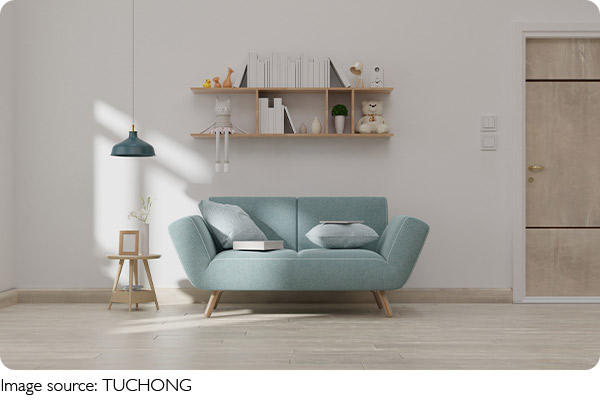
Our living rooms in this style prioritize comfort without excess. Low wooden sofas and a small coffee table create a relaxed, inviting vibe. Light, airy curtains let in natural light, while a few carefully chosen green plants add life and energy. Gray-blue cushions paired with warm yellow lighting evoke gentle winter warmth. In this space, we can enjoy quiet reading, relaxing afternoons, or simple conversations, all while feeling the calm, uncluttered energy that minimalist design brings.
Functional Kitchen and Dining
Japanese minimalist kitchens and dining areas are practical yet stylish. A small wooden bar or counter can serve as both an extra workspace and a cozy spot for casual meals or drinks. A rectangular wooden dining table with matching chairs creates harmony, while a simple pendant light adds a touch of elegance. Clear lines, natural wood, and minimal decor make meals feel peaceful. Even small design touches, like a few herbs on the counter or a small plant by the window, enhance the environment without overwhelming the space.
Serene Bedroom Spaces
Bedrooms in Japanese minimalist homes focus on restfulness. Wood textures dominate, and curtains in cotton or linen soften the light. White or neutral bedding makes small rooms feel more open, while simple furniture ensures the space remains uncluttered. We can place a low wooden platform bed or a few storage pieces that blend seamlessly into the background. Combined with soft lighting, these choices create a calm, retreat-like atmosphere, perfect for rest and relaxation.
Relaxing Bathrooms
Even bathrooms reflect minimalist principles. We can use clean lines, natural surfaces, and a simple bathtub with a privacy curtain. Adding small plants, like ivy or ferns, introduces freshness and tranquility. In such a space, we can enjoy a warm bath that washes away the day’s stress. Minimalist bathrooms are functional, visually clean, and promote wellness—all while maintaining aesthetic simplicity.
Greenery and Plant Tips
Thoughtfully placed plants are essential in Japanese minimalist interiors:
1. Study Room: Trailing plants on shelves or small leafy plants, like maidenhair fern, ease eye strain and enhance calmness.
2. Kitchen: Spider plants and pothos purify air and repel insects. Snake plants handle moisture, making them ideal near sinks or refrigerators.
3. Bathroom: Ivy and ferns thrive in humidity, creating a serene, fresh atmosphere near the bathtub.
4. Entryway: Tall decorative plants, such as money trees or iron trees, balance airflow and maintain humidity. Water-grown lucky bamboo works beautifully here too.
5. Vanity Area: Small plants like calathea change leaf color with temperature shifts, adding a living touch to frequently used spaces.
6. Hallways: Hanging plants such as pothos or ivy maintain humidity and create visual interest, even in narrow passageways.
By thoughtfully arranging greenery, we not only beautify the space but also bring energy and calm into everyday routines.
Final Thoughts
We can see that Japanese minimalist design is more than just a style—it’s a lifestyle. Every choice, from furniture to plants, lighting to textures, creates a home that feels calm, functional, and beautiful. Lykkers, by embracing simplicity, natural materials, and thoughtful decor, we can transform our living spaces into peaceful retreats full of warmth and little joys. Let’s start creating our Zen-inspired home today and enjoy the comfort and calm it brings to our daily lives!
5 Japanese Home Rules for a Clutter-Free Space
be.minimal