Set Sail Smartly

Owen Murphy
| 10-02-2026
 · Travel team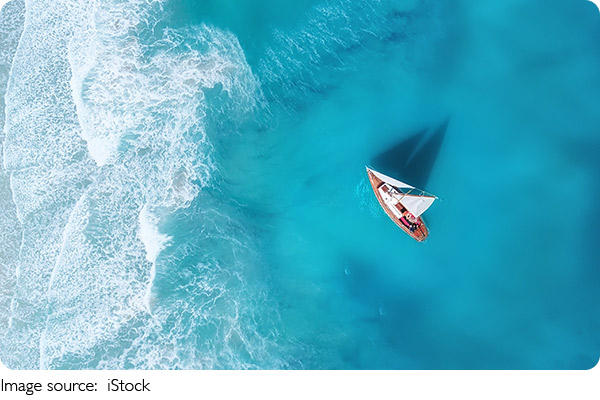
A sailing trip in the Mediterranean can be extraordinary, but the experience varies greatly depending on where you go, how long you stay and how well you plan around seasonal winds, marina fees and crowded islands. This guide gives Lykkers a decision-ready framework built around two high-impact sailing regions: the Greek Cyclades and the Croatian Dalmatian Coast.
Both offer well-defined navigation routes, established ports and predictable weather patterns, but each comes with strategic considerations you must evaluate before booking. By the end, you will know when to go, how long to sail, what it costs, how to structure movement from port to port and how to avoid the pitfalls that often create delays or discomfort.
Choosing the Best Mediterranean Sailing Route
1. The Greek Cyclades: reliable winds and iconic island-hopping
The Cyclades offer a classic sailing loop anchored around Mykonos, Paros, and Naxos. This region suits travelers who want predictable daily winds, short transfers between islands and lively ports with strong infrastructure.
Best time to sail: May–June and September. July–August brings Meltemi winds that create rougher conditions. If you are new to sailing, avoid late July.
How long to stay? A 7-day itinerary works best. Shorter trips feel rushed because the Cyclades reward a steady pace: 2–4 hours sailing per day with time to explore.
Typical route and pacing:
• Day 1–2: Mykonos area (start and provisioning)
• Day 3: Paros
• Day 4: Naxos
• Day 5–6: Smaller islands such as Koufonisia
• Day 7: Return to Mykonos
Daily distances average 15–25 nautical miles, comfortable for beginners.
Costs to expect:
• Bareboat charter: €2,000–€4,000 per week depending on season and boat size.
• Marina fees: €40–€90 per night in major islands.
• Fuel for a week: €120–€200 depending on motoring time.
Advantages:
• Compact sailing with many protected bays.
• Clear navigation routes with marked harbors.
• High accommodation availability if you want a night off the boat.
Pitfalls to avoid:
• Underestimating Meltemi winds; sudden gusts can make docking difficult.
• Arriving late to popular marinas; berths in Paros and Naxos fill by 16:00 in summer.
• Expecting quiet evenings in peak season; ports become crowded from late afternoon.
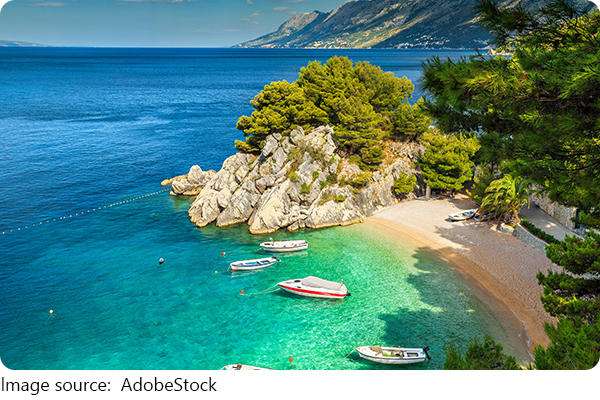
2. The Croatian Dalmatian Coast: smoother seas and medieval port towns
Croatia's Dalmatian Coast, anchored by Split and Dubrovnik, is ideal for sailors who prefer calm waters, historical towns and well-maintained marinas with predictable amenities.
Best time to sail: Late May–early October, with the calmest seas in June and September. July–August offer warm weather but heavier crowds.
How long to stay? A 7-day or 10-day route gives enough time to explore islands such as Hvar, Vis, and Korčula.
Typical route from Split:
• Day 1: Split marina provisioning
• Day 2: Hvar
• Day 3: Vis
• Day 4–5: Korčula
• Day 6: Brazza
• Day 7: Return to Split
Distances average 12–30 nautical miles per day.
Costs to expect:
• Bareboat charter: €1,800–€3,800 per week.
• Marina fees: €60–€120 per night, depending on boat length.
• National park fees (e.g., Mljet): €70–€100 for entry and anchoring.
Advantages:
• Gentle sailing conditions suitable for first-timers.
• Excellent marina facilities with showers and supply stores.
• Rich cultural stops—old towns, harbors and coastal viewpoints.
Pitfalls to avoid:
• Assuming you can dock without reservation; Hvar and Korčula often require advance booking.
• Arriving in Split marina late on Saturdays; check-in congestion can extend waiting times.
• Booking peak-season departures without considering strong sun exposure during mid-day sailing.
Building a Practical Plan for a Mediterranean Sailing Trip
Deciding how to start: skipper or bareboat
Chartering choices define your entire experience.
• Choose bareboat if you have sailing certification and want full control.
• Choose a skippered charter if you prefer guidance, smoother docking and local knowledge.
A skipper typically adds €150–€200 per day. For most first-time Mediterranean sailors, this investment prevents mistakes such as misjudging cross-winds when entering marinas or running into anchorage congestion near popular towns.
Pitfalls to avoid:
• Not confirming whether the boat requires a security deposit (usually €1,500–€3,000).
• Forgetting that some marinas require advance arrival notifications by radio.
• Overloading the first sailing day; afternoon departures often face winds and crowded bays.
Managing daily movement: when to sail, when to dock
The Mediterranean rewards early starts. Winds are calmer in the morning and marinas are less crowded when you arrive early afternoon.
Ideal timing pattern:
• 08:30–11:30: Morning sailing window with mild conditions.
• 12:00–14:00: Quick lunch onboard or at small ports.
• 14:00–16:00: Arrive at your next marina or anchorage.
• 16:00–19:00: Explore towns, viewpoints and coastal walks.
Why early arrival matters? popular ports in Greece and Croatia allocate berths on a first-come basis. If you arrive after 16:00 in peak months, you may be forced to anchor offshore, adding complexity for less-experienced sailors.
Anchorage considerations:
• Greece: shallow bays offer reliable anchoring, but check bottom composition; some areas have patchy seagrass.
• Croatia: many anchorages have paid mooring buoys costing €20–€40 per night.
Pitfalls to avoid:
• Sailing long distances daily; this reduces time on the islands and increases fatigue.
• Ignoring weather briefings; local sailing apps update wind patterns hourly.
• Expecting last-minute fuel; some islands close pumps early, especially on Sundays.
Budget planning: what your week actually costs
Beyond the base charter, plan for the following:
• Fuel: €120–€250 per week
• Mooring fees: €300–€700 total for a 7-day trip
• Skipper (optional): €1,050–€1,400 per week
• Food and supplies: €25–€40 per person per day
If sailing with a group, charter costs drop sharply per person.
Seasonal considerations and crowd strategies
• May–June: best combination of weather and moderate crowds.
• July–August: high demand → early marina reservations essential, higher charter prices.
• September: one of the best months; warm water and calmer winds.
• October: pleasant but some smaller marinas start reducing services.
Packing and comfort guidelines for sailors
• Bring non-slip deck shoes.
• Pack lightweight long sleeves for sun protection.
• Bring a dry bag for electronics; Mediterranean spray affects devices quickly.
• Avoid hard suitcases; soft luggage fits better in cabin storage.
Complete loop: arrival → movement → experience → exit
Arrival: Fly into Split, Athens or other regional hubs, take a taxi to your marina and complete provisioning early.
Movement: Sail mornings, dock early afternoon, check port conditions daily.
Experience: Explore islands, walk coastal paths, enjoy calm bays.
Exit: Return to your starting marina the night before disembarkation; morning returns risk delays.
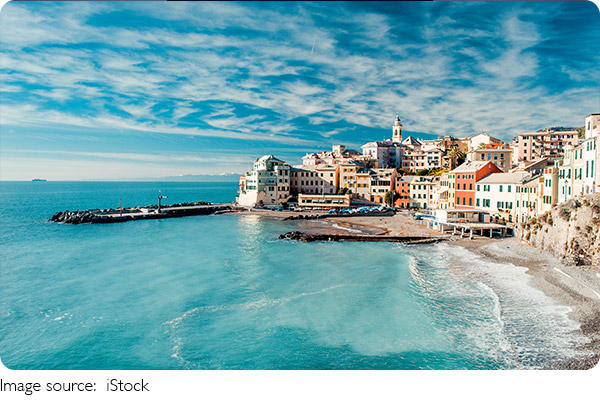
Mediterranean sailing stands out when you choose your region well and manage timing with precision. The Greek Cyclades reward travelers seeking iconic island-hopping and reliable winds, while Croatia's Dalmatian Coast offers smoother seas and charming port towns. With smart route selection, early-day sailing, realistic budgeting and attention to marina timing, Lykkers can build a high-quality sailing trip that avoids common pitfalls and maximizes smooth, memorable moments on the water.