Europe's Beach Playbook

Amit Sharma
| 11-02-2026
 · Travel team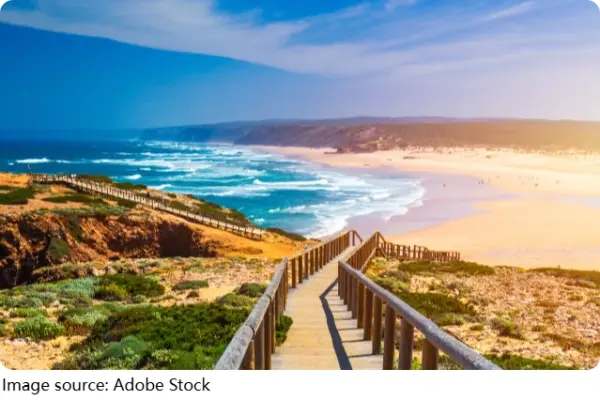
Europe offers hundreds of famous beaches, yet not all deliver a smooth and well-paced holiday for first-time visitors. Weather patterns, transport access, seasonal crowd surges and on-site rules vary widely, shaping the quality of your stay.
Here you will learn how to reach them efficiently, when to visit, how long to stay, and how to avoid the crowd and access pitfalls that many travelers overlook. Every recommendation forms a full loop from arrival to exit so you can plan with precision.
When to Go and How to Navigate Each of Europe's Top Three Beaches?
This part helps you choose the right beach based on season, transport and expectations. Each requires a different strategy.
Praia da Marinha, Algarve: Best for clear views and reliable access
Praia da Marinha sits along Portugal's southern coast and is ideal if you want dramatic rock formations and dependable water clarity. The best visiting window is late April to June and September to mid-October, when temperatures hover around 20–28°C and crowd density stays manageable. July and August remain possible but busier.
Arrival usually starts in Lagos or Albufeira, with rental cars available from 35–55 EUR per day. The beach is easiest to reach by car; parking at the top of the cliffs is free but limited and often full by 10:30 in peak season. To avoid walking long distances under direct sun, arrive between 08:30 and 09:30.
A staircase leads to the beach, so expect a moderate climb when returning. Most travelers spend 2–3 hours here. If you want to explore nearby viewpoints, follow the marked clifftop trail for safe and panoramic walking. Avoid arriving during late afternoon in summer; heat reflects off the rocks and crowds tighten.
Praia da Marinha is a clear yes for travelers seeking easy logistics and postcard views without requiring long hikes.
Elafonissi Beach, Crete: Best for shallow water and families
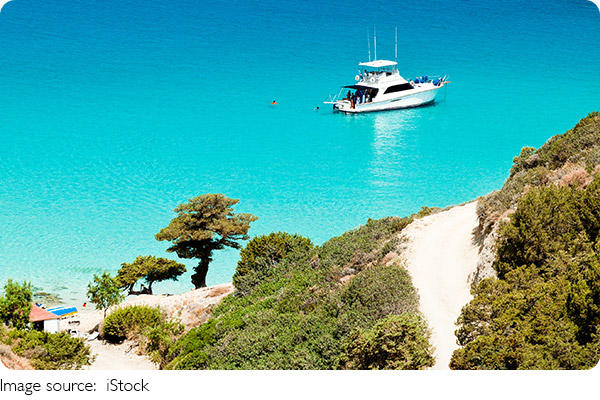
Elafonissi is one of Crete's most popular shoreline destinations, known for shallow turquoise water and broad coast. The strongest period for stable weather is May to early July and September. August offers warm seas but heavy crowds.
To reach Elafonissi, most travelers start from Chania. Driving takes 1 hour 30 minutes to 1 hour 45 minutes depending on traffic. Car rental prices in Crete usually fall between 40–70 EUR per day, and parking at Elafonissi is free. Public buses run from Chania in summer for around 12 EUR round-trip, but schedules are limited; if you value flexibility, choose a rental car.
Arrive before 10:00 to secure a comfortable spot. Water remains shallow for many meters, making the beach ideal for relaxed walking and low-effort swimming. Sunbed sets, when available, often cost 10–15 EUR. If you want quiet water conditions, mornings between 08:30 and 10:30 are best; winds increase after noon.
A common mistake is assuming nearby food options are plentiful. Bring your own snacks and water for comfort, especially in shoulder season when vendors operate fewer stands. Spend 3–4 hours here before returning to Chania or continuing your coastal drive.
Elafonissi is a strong choice for Lykkers wanting soft water entry, ease of movement and a slower beach day.
Cala Goloritzé, Sardinia: Best for hikers and seekers of pristine coves
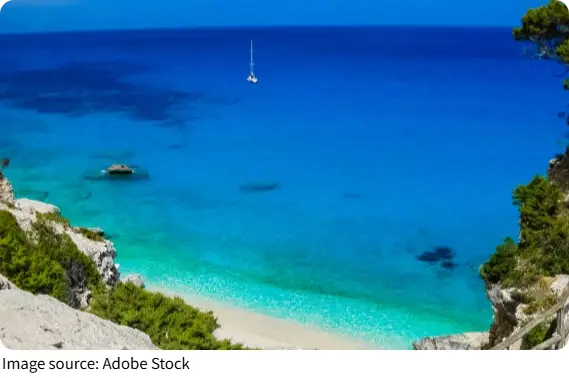
Cala Goloritzé offers one of Europe's most protected coastal environments, accessible only by foot or boat. Expect a more active day. The prime season is late May to early October, with the clearest water and stable heat during June–September.
If you choose the hike, start from the Su Porteddu parking area near Baunei. Parking costs 6–10 EUR, and you must purchase an entrance ticket (usually 6 EUR) because the area is protected. Arrive before 09:00; after this, temperatures climb quickly. The hike is 3.5 km each way with 470–500 meters of elevation loss on the way down and gain on the way up. Allocate 1.5–2 hours each direction depending on pace.
If the uphill return feels too demanding for your group, reconsider in advance; no motorized access exists. Bring sturdy walking shoes and at least 1.5 liters of water per person. Most travelers spend 2 hours at the beach itself, as shade is limited.
Boat trips from Cala Gonone provide an easier alternative. Half-day excursions typically cost 45–60 EUR, and you usually get a timed stop at Cala Goloritzé without hiking. This is a yes-or-no decision:
• Choose the hike if you enjoy active days.
• Choose the boat if you want to see the cove with minimal effort.
Building an Efficient Itinerary and Avoiding Common Beach-Holiday Pitfalls
Now that the destinations are clear, this part helps you structure your time, manage crowds, and avoid unnecessary delays.
Choosing which beach suits your travel style
Use this simple decision structure to match your trip goals:
• Pick Praia da Marinha if you want reliable access and clifftop views.
• Pick Elafonissi if you want shallow water and easy relaxation.
• Pick Cala Goloritzé if you want a physically active coastal day.
If you have four or more days, you can combine two beaches in one trip if you stay locally (e.g., Algarve + southern Spain or Sardinia + nearby coves). If you have only two or three days, choose just one beach to avoid rushed transfers.
Managing weather, crowds and transport
Crowds increase significantly during European school holidays (late June–mid-August). During this period:
• Arrive early at Praia da Marinha and Elafonissi to secure both parking and comfortable spots.
• Pre-book boat trips in Sardinia at least 48 hours ahead.
• Avoid starting hikes after 10:30 during peak summer at Cala Goloritzé.
Wind patterns matter too. Elafonissi becomes breezier after 13:00, making morning the preferred window. Algarve beaches remain stable, but afternoon heat intensifies reflection off the cliffs. Sardinia's coves maintain clarity throughout the day, though returning hikers face steeper temperatures in the afternoon.
Efficient pacing: arrival → movement → experience → exit
A practical flow works for all three beaches:
- Arrival: Reach by 08:30–09:30 depending on season.
- Movement: Walk viewpoints, secure a comfortable beach area or start your hike.
- Experience: Enjoy water activities or scenic resting time during late morning.
- Exit: Leave between 13:00 and 15:00 to avoid heat and peak crowd density.
For Praia da Marinha, combine the beach with a short clifftop trail.
For Elafonissi, walk the long shoreline early, then relax once crowds build.
For Cala Goloritzé, begin your return hike before 14:00 for safer temperatures.
Budget planning and local considerations
Daily budgets vary:
• Algarve: 35–55 EUR car rental, moderate meal prices in nearby towns.
• Crete: 40–70 EUR car rental, light food options if you bring your own.
• Sardinia: 6–10 EUR parking, 6 EUR entrance ticket, 45–60 EUR for boat excursions.
Booking accommodations close to your chosen beach saves time. In Algarve, stay near Carvoeiro or Lagoa. In Crete, choose Paleochora or Chania depending on your next day's plan. In Sardinia, base yourself in Baunei or Cala Gonone.
Europe's top beaches each offer a distinct pace, character and logistical pattern. Praia da Marinha gives cliffside views and straightforward access. Elafonissi provides calm, shallow water and a relaxed day layout. Cala Goloritzé rewards hikers or boat-goers with protected turquoise beauty. With early starts, accurate transport planning, awareness of crowd rhythms and a clear yes-or-no selection of which beach fits your goals, you can move confidently from arrival to exit. Use this guide as your practical playbook for a meaningful and well-structured European beach holiday.