Florida Beach Playbook

Ravish Kumar
| 11-02-2026
 · Travel team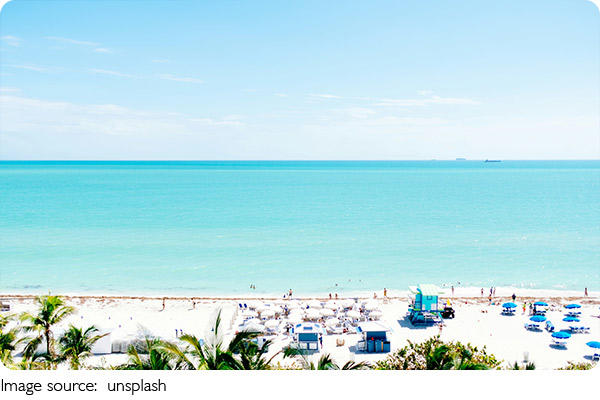
Florida is famous for warm water and wide coastlines, but first-time visitors often miss the best places and time windows for beach sports because conditions vary sharply from coast to coast. Wind speed, currents, rental availability, morning crowds, and parking rules shape everything.
You will learn how to maximize your experience at Miami Beach, Clearwater Beach, and Daytona Beach, three of the most practical shores for sports on a first trip. The goal is simple: give you an efficient loop from arrival to exit and help you decide whether a specific sport is worth your schedule.
Where to Play and How to Choose the Right Sport?
Before stepping onto the sand, you need clarity on which beach supports which sport, at what hours, and with what difficulty level.
Miami Beach: Best for paddle sports and beginner-friendly surfing
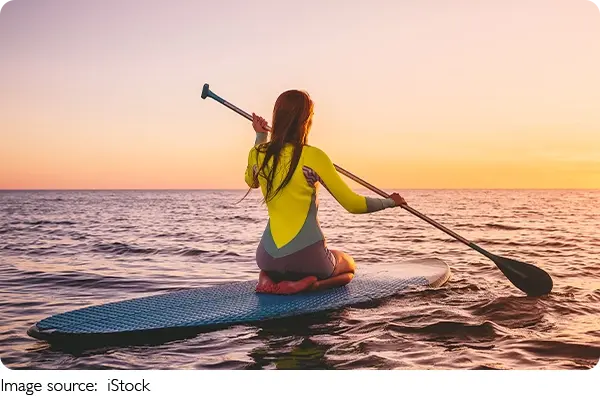
Miami Beach offers calm water most mornings from April to early July, making it ideal for stand-up paddleboarding (SUP) and beginner-level surfing. Conditions shift after 11:00, when wind increases and surface chop grows. If you want a smooth SUP session, arrive between 07:00 and 09:30. Board rentals near South Beach generally cost 25–35 USD per hour, with full-day rentals around 60–70 USD.
For surfing, the northern stretch near 87th Street produces gentler breaks than South Beach. Lessons usually run 75–110 USD for 1–1.5 hours, including gear. Choose weekday mornings to avoid dense weekend crowds, especially between December and March, when visitor numbers peak.
Parking can be expensive: expect 20–30 USD for several hours in city garages. If your hotel sits along Collins Avenue, walking or using a rideshare is more time-efficient than circling for spaces. Exit the beach by midday if you want predictable water conditions.
Clearwater Beach: Best for calm-water sports like kayaking and beach volleyball
Clearwater's west-facing position on the Gulf of Mexico produces warm, stable water, perfect for kayaking, SUP, and shoreline volleyball. The best visiting period is March to May, with water temperatures around 22–27°C.
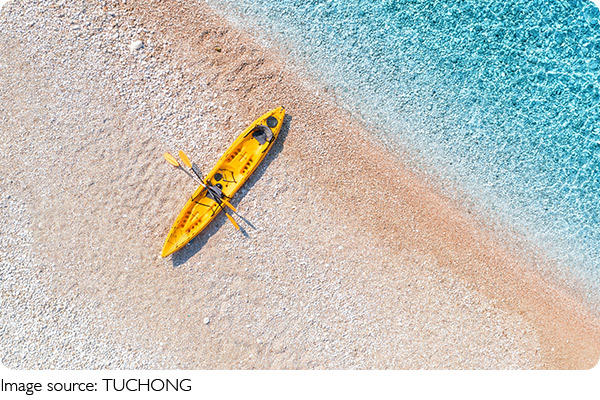
Kayak rentals near Pier 60 often run 30–40 USD for two hours, with tandem options slightly higher. Morning departures at 08:00–09:30 avoid afternoon sea breezes that slow paddling. If you prefer group activities, Clearwater is known for its organized volleyball areas near the central promenade. Courts are typically first-come, first-served, and weekends become extremely crowded after 10:30. Arriving before 09:00 usually secures a spot.
Families often choose Clearwater because lifeguard coverage is strong. However, a common pitfall is underestimating traffic delays around the causeway. From Tampa, the 35–55 minute trip can double on weekend afternoons. If you want a smooth exit, leave Clearwater before 15:30.
Daytona Beach: Best for high-energy activities like shoreline cycling and kite sports
Daytona Beach's wide, hard-packed shoreline allows unique sports you cannot easily do elsewhere. Rental stations offer fat-tire bicycles for 15–20 USD per hour, and you can ride several kilometers directly on the sand during low tide windows. Always check tide charts; arrive one hour before low tide for the safest surface.
Kite sports are most reliable from November to April, when steady Atlantic winds create ideal lift. Lessons normally cost 120–180 USD for introductory sessions lasting 1.5–2 hours. Physical difficulty is moderate, so choose this only if you have average strength and are comfortable in deeper water.
A key drawback is crowding during spring weekends. Daytona hosts major events throughout the year, and availability of rentals can drop quickly. Before committing to a day trip, check event calendars and avoid large festival periods unless you already reserved equipment.
Planning Your Day, Avoiding Pitfalls, and Keeping Logistics Efficient
Once you know where to go, effective planning shapes the quality of your experience. This section helps you structure your day from arrival to exit.
Choosing the right season and time of day
Florida's coasts behave differently depending on the month. The Atlantic side (Miami Beach and Daytona Beach) has stronger wind in winter and spring, supporting surfing and kite sports. The Gulf side (Clearwater Beach) shines with calmer water in spring and early summer.
Here is a straightforward yes-or-no decision rule:
• If you want calm water, choose Clearwater from March to May or Miami Beach from April to early July.
• If you want wind-powered sports, choose Daytona from November to April.
Time of day controls your results just as much as location. Morning sessions deliver the best clarity, safest currents and lowest crowd density. Afternoon sun is strong year-round, and heat index can rise quickly between 13:00 and 16:00. For most Lykkers, a 07:00–11:00 sports window is the most productive.
Movement, rentals and how to avoid delays
Florida beaches attract heavy weekend traffic, and many travelers lose time searching for parking or waiting in equipment lines. If you want predictable pacing, consider these steps:
• Reserve equipment 24–48 hours ahead during peak months. Most rental shops accept online booking with optional cancellation within 12–24 hours.
• Arrive early. Reaching Miami Beach or Clearwater before 08:30 eliminates most queues.
• Check tide and wind conditions the night before. Daytona's cycling and kite sports depend heavily on low tide and steady wind.
Public transport exists but is limited for sports schedules. Rideshares work well in Miami Beach, costing 10–22 USD for short distances. At Clearwater, rideshares often surge on busy afternoons, so leaving early helps control cost.
Crowds, safety and choosing the right difficulty level
Crowds can undermine otherwise great conditions. Clearwater's Pier 60 becomes dense after mid-morning, and Miami's South Beach sees high foot traffic year-round. If you prefer a quieter setting, choose the northern section of Miami Beach (75th–90th Street), where shoreline space opens up.
Safety is straightforward if you follow local rules. Lifeguard flags provide daily guidance:
• Green = calm conditions
• Yellow = moderate surf
• Red = strong currents
Many sports shut down temporarily under red-flag conditions. When in doubt, ask a lifeguard before entering the water.
If you want guaranteed structure, book a guided session. Group surf lessons in Miami usually cap at 4–6 participants, keeping instructor attention high. Kayak tours in Clearwater sometimes visit nearby wildlife zones, lasting 1.5–2 hours.
Building a clean schedule from arrival to exit
A sample efficient plan for Miami Beach:
- Arrival: Reach by 08:00; walk or rideshare to your rental shop.
- Movement: Paddle or surf from 08:15–10:00; rest and enjoy shoreline from 10:00–11:00.
- Experience: Explore quieter sections, hydrate and relax.
- Exit: Leave by 11:30 before heat increases and parking demand peaks.
For Clearwater:
- Arrival: Cross the causeway before 08:45.
- Movement: Kayak or play volleyball from 09:00–11:00.
- Experience: Eat early lunch nearby; avoid midday re-entry traffic.
- Exit: Depart by 15:00 to keep your return efficient.
For Daytona:
- Arrival: Time your arrival around low tide.
- Movement: Cycle on the beach or schedule a kite session.
- Experience: Walk along the shoreline or visit nearby boardwalk attractions.
- Exit: Leave before large afternoon crowds build.
Florida offers ideal conditions for a wide range of beach sports, but getting the most from your trip requires strategic choices. Miami Beach delivers reliable paddleboarding and beginner surfing, Clearwater Beach shines for calm-water activities and group sports, and Daytona Beach offers wind-powered action and unique shoreline cycling opportunities. Once you align your preferred sport with the right season, time window and location, your day becomes smoother and more rewarding. Use early starts, confirmed rentals and crowd-aware timing to move confidently from arrival to exit. With this detailed plan, your Florida beach sports trip becomes efficient, enjoyable and tailored to your goals.