The Joy of Carrot Pudding

Mukesh Kumar
| 04-02-2026
 · Cate team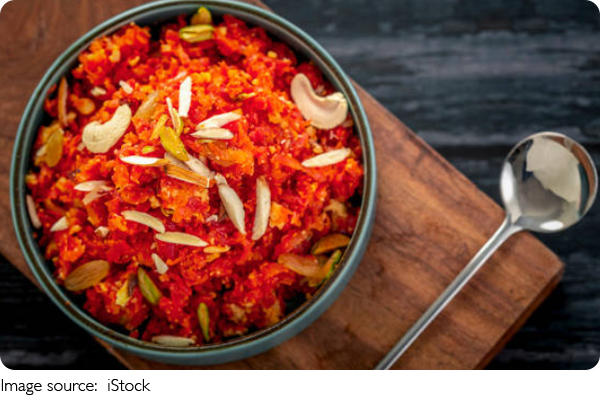
On chilly evenings or festive gatherings, nothing feels as comforting as a warm, fragrant dessert.
Carrot pudding, with its rich texture and subtle sweetness, has a way of bringing everyone to the table. The beauty of making this dessert lies not just in the ingredients but in the careful layering of flavors and textures.
Whether it's your first time or you've made it before, mastering it can turn a simple treat into a memorable experience.
Choosing the Right Carrots
The flavor and sweetness of your pudding start with the carrots. Fresh, firm carrots produce the best results, while older or soft ones may taste bland or watery.
1. Look for vibrant color: Bright orange carrots are usually the sweetest. Avoid carrots with cracks or green tips.
2. Consider size: Medium-sized carrots are perfect for grating; they cook evenly and blend smoothly.
3. Prep properly: Peel and rinse the carrots thoroughly. Grate them finely to help release natural sugars during cooking. For instance, using a box grater gives a slightly coarse texture, while a food processor yields a smoother result.
Cooking the Carrots Slowly
Slow cooking helps develop flavor and ensures the pudding is creamy rather than watery.
1. Use low heat: Start with a wide, heavy-bottomed pan and cook the grated carrots on low heat to prevent burning. Stir frequently to avoid sticking.
2. Add milk gradually: Pour in warm milk a little at a time, letting the carrots absorb it fully before adding more. This method keeps the mixture smooth and prevents lumps.
3. Sweeten carefully: Sugar or natural sweeteners can be added in stages. Start with half and taste as the pudding thickens. Adjust sweetness to your preference.
Incorporating Flavorful Enhancements
A subtle hint of spices or nuts transforms simple carrot pudding into a rich dessert experience.
1. Spices: Cardamom, cinnamon, or nutmeg work beautifully. Add them midway during cooking so the aroma infuses the carrots. A pinch of cardamom, for instance, lifts the flavor without overpowering the natural sweetness.
2. Nuts and dried fruits: Cashews, almonds, or raisins add texture and richness. Roast them lightly before adding to deepen their flavor.
3. Ghee or butter: A small amount enhances the creaminess and aroma. Drizzle over the top before serving for extra indulgence.
Achieving the Perfect Consistency
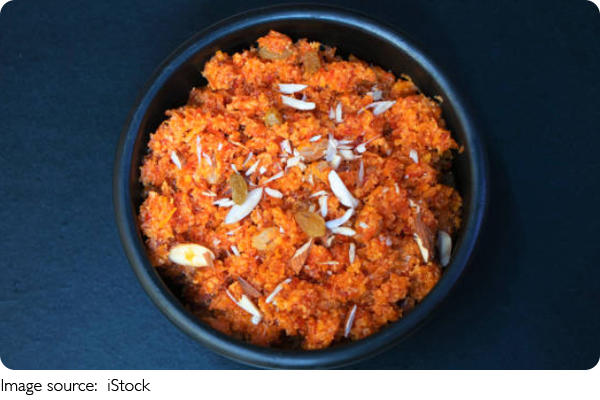
Carrot pudding should be thick, yet moist, not dry or overly runny.
1. Constant stirring: As the mixture cooks, stir frequently to prevent sticking and encourage even thickening.
2. Timing: Remove from heat once the mixture leaves the sides of the pan slightly. Overcooking can dry it out, while undercooking keeps it too loose.
3. Test the texture: Scoop a small spoonful; it should hold shape yet feel soft and creamy. Adjust with a splash of milk if needed.
Serving and Presentation
How you present the pudding can make it feel festive or comforting.
1. Warm or chilled: Serve warm straight from the stove, or chill for a few hours to let flavors meld. Some prefer a dollop of cream on top.
2. Garnishing: Sprinkle chopped nuts or a pinch of saffron for a visually appealing finish. A few strands of roasted coconut also add texture.
3. Portion control: Use small bowls or ramekins for individual servings. This allows for neat presentation and easy sharing with family or guests.
Making carrot pudding is as much about patience as it is about ingredients. Each step—from selecting fresh carrots to slow cooking and careful flavoring—adds depth and warmth to the final dessert. The satisfaction of seeing the rich, aromatic pudding come together is worth every minute. With practice, you'll be able to adjust sweetness, spices, and texture to your taste, creating a dish that's both comforting and impressive, perfect for any occasion.