Perfect Coffee Beans
Finnegan Flynn
| 10-02-2026
 · Cate team
There's something magical about the smell of freshly ground coffee filling a kitchen. But not all coffee beans are created equal.
Choosing the right beans can transform your morning cup from ordinary to extraordinary, bringing out flavors you never knew existed.
Know Your Roast Levels
Coffee beans are typically roasted to varying degrees, and this has a huge impact on flavor. Light roasts are fruity and acidic, medium roasts balance flavor and aroma, and dark roasts offer bold, smoky notes.
Tips for choosing:
1. Light roasts are ideal if you enjoy bright, tangy flavors in your coffee.
2. Medium roasts work well for those who want a rounded, balanced cup.
3. Dark roasts are perfect for espresso or if you prefer a strong, rich taste.
Example: If you like a caramel sweetness in your brew, try a medium roast Ethiopian or Colombian bean.
Check Bean Origin
Different regions produce beans with distinct characteristics. Factors like altitude, soil, and climate affect taste. Single-origin beans highlight unique flavors, while blends combine profiles for consistency.
Tips for selection:
1. Look for single-origin beans if you enjoy exploring flavor nuances like berry, citrus, or chocolate notes.
2. Choose blends for a reliable, familiar taste every time.
3. Pay attention to altitude—high-altitude beans often have more complex flavors.
Example: A Guatemalan highland bean often has a chocolatey base with subtle fruitiness, ideal for filter coffee.
Examine Bean Freshness
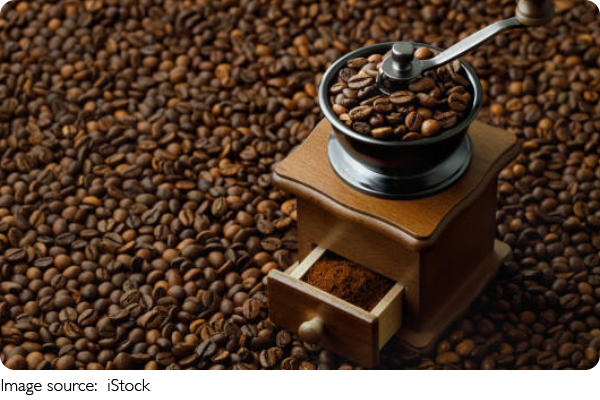
Freshness is key to a flavorful cup. Beans start losing aroma and taste soon after roasting. Look for packaging dates rather than “best by” labels, and avoid pre-ground coffee if possible.
Tips for selection:
1. Buy whole beans roasted within the last two weeks for optimal flavor.
2. Smell the beans—fresh beans have a strong, fragrant aroma.
3. Store beans in airtight containers away from heat and light.
Example: Buying a 250g bag of freshly roasted beans and grinding them just before brewing ensures maximum flavor.
Consider Bean Variety
There are two main species: Arabica and Robusta. Arabica beans are sweeter and more nuanced, while Robusta beans are stronger and more bitter, with higher caffeine content.
Tips for selection:
1. Arabica beans are great for drip, pour-over, or French press.
2. Robusta is commonly used in espresso for a bold kick.
3. Some blends combine both for balance between flavor and strength.
Example: For a morning espresso, a 70/30 Arabica-Robusta blend gives a rich crema with a gentle sweetness.

Look at Bean Appearance
High-quality beans are uniform in size and free from defects. Imperfections can affect taste and consistency in brewing.
Tips for selection:
1. Inspect the beans for even color and minimal cracks.
2. Avoid beans with too much oily surface, which can indicate over-roasting or age.
3. Choose medium-sized beans for most brewing methods—they roast evenly.
Example: Picking beans that are visually consistent helps prevent uneven extraction in a pour-over brew.
Choosing coffee beans is an adventure in itself. Paying attention to roast, origin, freshness, variety, and appearance ensures every cup is enjoyable. The right beans turn a simple morning routine into a small daily ritual, where aroma, flavor, and warmth come together in every sip. Experiment, taste, and find the beans that feel like home in a mug.