Pic de Maravoise Guide

Declan Kennedy
| 06-02-2026
 · Travel team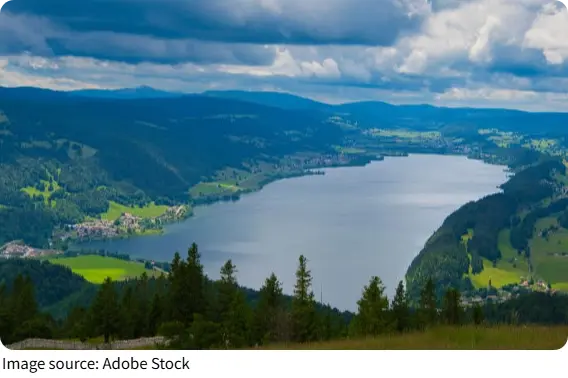
There's a moment that happens just after you leave the last village behind. The road narrows, the phone signal fades, and suddenly the mountains feel less like a backdrop and more like the main character.
That's usually when Pic de Maravoise starts to make sense. It isn't loud, famous, or crowded—but it has a way of pulling you into the rhythm of the Alps without asking much in return.
Pic de Maravoise sits in the Valais region of Switzerland, rising above traditional alpine pastures and long, open valleys. It's not a place built around souvenir shops or big tour buses. Instead, it's about space, air, and views that reward a bit of effort.
Why Pic de Maravoise feels different
Most alpine destinations tell you exactly where to stand for the perfect photo. Pic de Maravoise doesn't. The mountain is known locally for its calm trails and wide viewpoints, where you can stop almost anywhere and feel like you've found something personal.
What makes it special isn't just the height, but the way the landscape opens up as you climb. You'll notice fewer crowds, longer sightlines, and a slower pace compared to more famous peaks nearby. It's a place where hikers talk quietly, not because they have to, but because it feels right.
Getting there without stress
Pic de Maravoise is most easily reached from the town of Sion, a practical base with regular train connections.
1. From Geneva, take a direct train to Sion. Travel time is about 2 hours. Tickets usually range from $35–$60 USD, depending on time and booking.
2. From Sion, local buses head toward the trail access areas near the Val d'Hérens. Expect a 40–50 minute ride, costing around $6–$10 USD.
3. The final approach is on foot. There's no cable car straight to the summit, which helps keep the area quiet.
If you're driving, mountain roads are well maintained but narrow. Park only in designated areas—local enforcement is strict, and fines can exceed $40 USD.
Choosing the right trail
The most popular route is a steady hiking trail that takes about 4–5 hours round trip, depending on pace and stops. It's not technical, but it does require decent fitness.
Here's what to expect:
• Elevation gain of roughly 700–900 meters
• Clearly marked paths, but limited shade
• A mix of grassy slopes and rocky sections near the top
Bring layers, even in summer. Weather can change fast, and the summit often feels 10°C cooler than the valley.
Best time to visit (and when to avoid it)
The ideal window is late June to early October. Snow can linger into early summer, making the upper trail slippery before then.
For the best experience:
• Arrive at the trailhead by 8:00 a.m. to enjoy cooler temperatures and empty paths.
• Weekdays are noticeably quieter than weekends.
• September offers crisp air and clearer views, especially after rain.
Avoid hiking during unstable weather. Fog can roll in quickly, and visibility drops fast near the peak.
What you'll see from the top
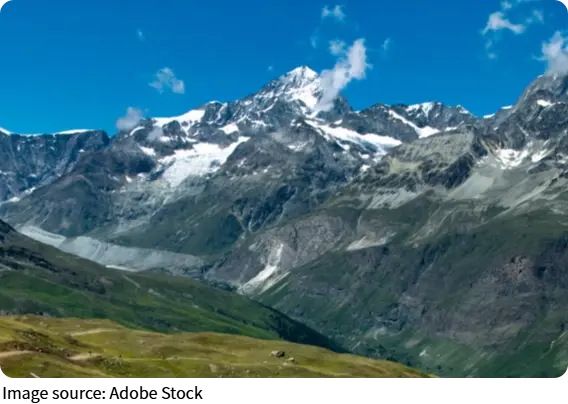
The summit of Pic de Maravoise doesn't overwhelm—it stretches. On clear days, you can trace valleys, glaciers, and distant ridgelines without obstruction. There's no fence, no platform, and no sign telling you what to admire first.
Many hikers sit down, take off their packs, and stay longer than planned. It's common to hear cowbells far below, carried upward by the wind. This is a good spot to pause, eat something simple, and let the silence do its work.
Practical tips most guides skip
These details matter more than they sound:
1. Bring cash. Some small mountain buses and farm stops don't accept cards.
2. Water sources are limited. Carry at least 1.5–2 liters per person.
3. Mobile signal is unreliable. Download maps offline before you go.
4. Respect grazing areas. Close gates behind you and stay on marked paths.
Local hikers take these rules seriously, and following them keeps the trails open and accessible.
Where to rest after the hike
Back in the valley, small guesthouses and alpine inns offer simple rooms. Expect prices around $90–$140 USD per night for a double room in peak season. These places focus on quiet nights, early breakfasts, and local knowledge rather than luxury.
Ask hosts about trail conditions the next morning. They usually know more than any app.
Is Pic de Maravoise right for you?
This mountain suits travelers who enjoy movement more than schedules. If you like ticking off landmarks quickly, it might feel understated. But if you enjoy walking without rushing, stopping when something catches your eye, and ending the day pleasantly tired, it fits perfectly.
The real reward isn't just the summit—it's the feeling of being part of the landscape, even if only for a few hours.
As you head back down, notice how the mountain slowly gives the valley back to you. The noise returns, the phone reconnects, and plans come back into focus. Still, something lingers—a reminder that quiet places like Pic de Maravoise don't need much attention to leave a mark. Would you choose another famous peak next time, or follow the pull of somewhere just a little less obvious?