Soybean Energy Boost

Pardeep Singh
| 10-02-2026
 · Cate team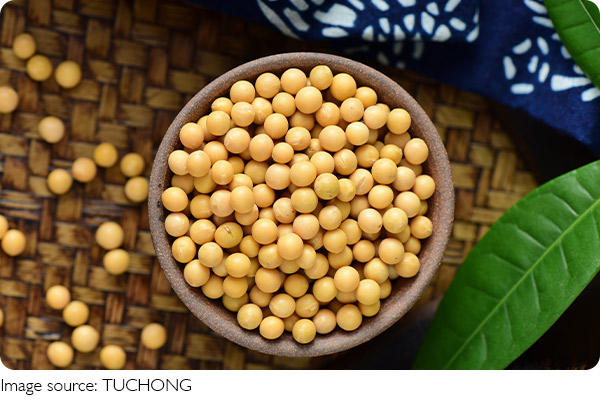
Soybeans may look like tiny, ordinary seeds, but they pack a surprising punch. We’re about to explore how these humble beans turn into so many foods we enjoy, fuel our health, and support sustainable farming.
Let’s take a closer look at why soybeans have earned the nickname “meat of the field.”
Origins and Varieties
We can trace soybeans back thousands of years to East Asia. These plants produce oval or round pods, and the seeds inside vary in color: yellow, green, black, or brown. Yellow soybeans are the most common, but black and green soybeans are also popular for cooking. Some varieties are specially grown for fermented foods or beverages, while others are reserved for direct consumption. Each type has its own texture, flavor, and nutritional profile, which makes soybeans versatile for different uses.
Edamame: Young Soybeans
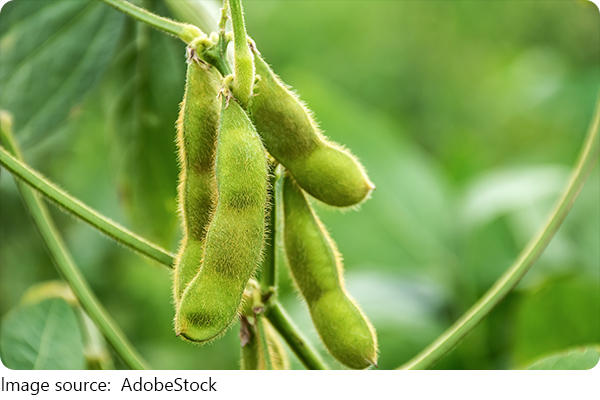
One of the most popular ways we enjoy soy is as edamame. These are young, tender soybeans picked before they fully mature. The pods still have tiny soft hairs, giving them a unique texture, while the beans inside are sweet and fresh. They are typically steamed or boiled and served as a snack, appetizer, or side dish. Once the beans reach full maturity, the pods dry, and the seeds become smaller and harder, transforming into standard soybeans that are used for other food products.
From Bean to Food
We use soybeans in countless ways. They can be turned into soy milk, tofu, bean curd sheets, soybean flour, and even roasted as a crunchy snack. Fermented soy products like soy sauce, miso, natto, and fermented tofu are essential ingredients in many traditional and modern dishes. Soy protein is a primary source of nutrition for vegetarians and anyone seeking plant-based protein. It is efficient—per unit of land, soy produces more protein than most other crops, which is why it’s often called the “meat of the field.”
Industrial and Agricultural Uses
Soybeans aren’t just for food—they’re also a major agricultural and industrial resource. Soybean meal is a common feed for livestock, thanks to its high protein content and affordability. Soy oil is widely used for cooking and has applications in other industries as well. Major producers include Brazil, the United States, and Argentina.
Brazil alone produces over 155 million tons of soybeans, highlighting how important this crop is for global food supply and commerce. Beyond the farm, soy plays a role in sustainable agriculture by providing a high-protein crop that can replace some animal proteins.
Nutrition and Health Benefits
We love soy not only for its versatility but also for its nutrition. According to the Harvard T.H. Chan School of Public Health, soy is a nutrient-dense plant protein that provides essential fatty acids, fiber, vitamins, minerals, and isoflavones that support overall health. Their nutrition experts note that incorporating soy foods into the diet can help improve heart health, particularly when soy replaces red or processed meat, while also contributing to muscle maintenance thanks to its high-quality protein content. Because soy offers a complete plant-based protein along with beneficial compounds like alpha-linolenic acid and phytonutrients, Harvard nutrition specialists highlight it as a valuable option for those looking to diversify their diet and support balanced, plant-forward eating patterns.
Cooking with Soy
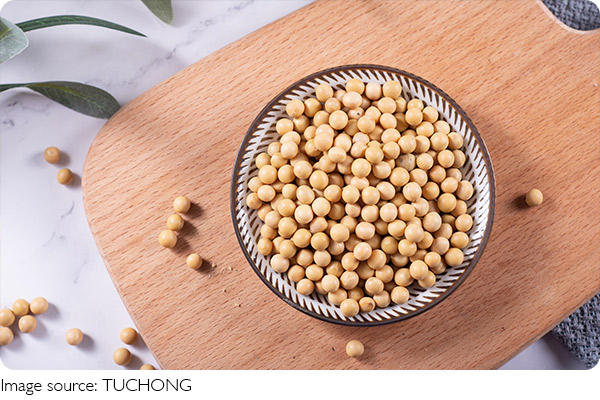
We can use soy in practically every meal. Tofu can be fried, grilled, baked, or added to soups and stir-fries. Soy milk works for smoothies, baking, or even creamy sauces. Fermented soy products like soy sauce, miso, and fermented bean pastes add depth, saltiness, and umami flavor to dishes. Roasted soybeans make for a crunchy, protein-rich snack on the go. The flexibility of soy allows it to fit into breakfast, lunch, dinner, and snacks, making it a staple ingredient in kitchens around the world.
Sustainable Benefits
We should also consider soy’s environmental impact. Compared to many animal-based protein sources, soy requires less land and water per gram of protein produced. It is a crop that can support sustainable food production while feeding large populations efficiently. By choosing soy products, we contribute to a more environmentally friendly diet, which is increasingly important for the planet and future generations.
Final Thoughts
Lykkers, after exploring soybeans from field to table, it’s clear why they are called the “meat of the field.” From tender edamame to versatile tofu and nutrient-rich soy products, soy provides essential protein, supports sustainable farming, and easily fits into our daily meals. Next time you enjoy a soy dish, we hope you’ll appreciate not just the flavor, but the journey and benefits behind each bite.
The Life of a Soybean
Video by Soy Connection