The History of Sushi

James Carter
| 27-02-2026
 · Cate team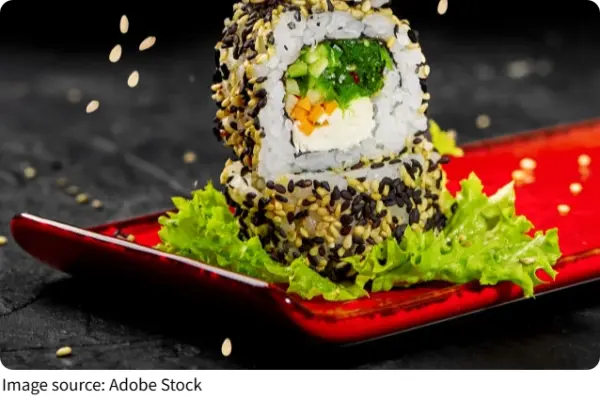
If you've ever enjoyed a fresh sushi roll, you might be surprised to learn that sushi's roots date back over a thousand years.
The modern sushi we know today—sliced fish over vinegared rice—has evolved significantly, but its early beginnings were quite different. Originally, sushi was a method of preserving fish by packing it in fermented rice.
This technique, known as nare-zushi, was used in Southeast Asia and spread to Japan around the 8th century.
The fish was salted and fermented in rice, which would then be discarded, and the fish would be consumed. This process, while still preserving the fish, was far from the delicate and fresh taste we associate with sushi today. Over time, Japanese chefs began to alter the method, leading to the creation of the sushi we recognize now.
Example: In ancient Japan, the earliest sushi was made using fermented rice to preserve fish, but the rice was eventually discarded. Fast-forward to the 18th century, and vinegar was added to the rice to make it more flavorful and palatable.
Sushi's Evolution: From Street Food to Gourmet
By the 18th century, in Edo (modern-day Tokyo), sushi began to evolve into the style we recognize today. This marked the shift from traditional preservation methods to the creation of nigiri sushi, which features fish placed on a small mound of rice, often accompanied by a bit of wasabi. It was at this point that sushi transformed from being a preservation technique to a beloved fast food. Street vendors would serve sushi to workers and passersby, making it affordable and accessible.
The sushi we eat today is the result of continuous innovation. For example, nigiri became incredibly popular because of its speed and convenience, serving as the perfect meal for the bustling lives of Edo's citizens.
Example: The development of nigiri sushi was a game-changer. It was served quickly, without the need for fermentation, making it a popular and fast meal for busy workers. The combination of fresh fish and seasoned rice became a favorite, and soon the rest of the world would embrace it.
Modern Sushi: A Global Phenomenon
Fast forward to the present day, and sushi has evolved into an international culinary phenomenon. Sushi restaurants can be found on nearly every continent, and the styles of sushi are as diverse as the places it's served. From traditional sushi bars to conveyor belt sushi (kaiten-zushi), sushi has become a modern-day food experience, and variations like California rolls and temaki have emerged.
What's remarkable about modern sushi is how it has adapted to local tastes and preferences. Sushi's transformation from an inexpensive snack to an upscale dining experience is a prime example of how food adapts to cultural and economic shifts.
Example: In the U.S., the creation of the California roll revolutionized sushi by incorporating ingredients like avocado and cooked crab, catering to local tastes and transforming the sushi experience for many who had never tried raw fish.
Actionable tip: Experiment with making sushi at home! Start with a simple California roll or try a vegetarian roll using ingredients like cucumber, avocado, or pickled radish. You can even try making temaki (hand rolls) for a fun, hands-on meal with friends.
Sushi and Sustainability in the Modern World
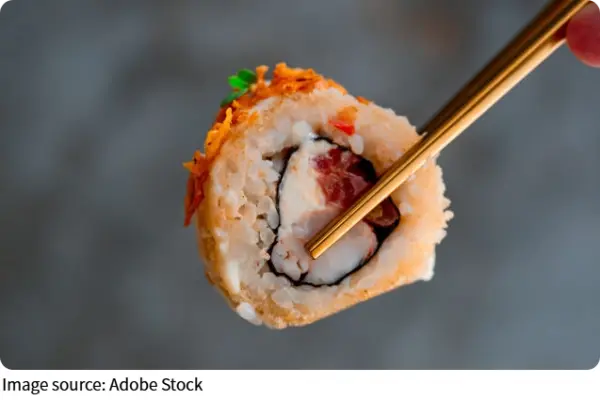
As sushi continues to thrive globally, there's growing concern about the sustainability of the fish that is used. Overfishing and environmental changes are putting pressure on the supply of some fish species, particularly bluefin tuna, a sushi delicacy. This issue has led to greater awareness in the sushi industry about sustainable practices.
Many sushi restaurants are now offering sustainable seafood options, working with suppliers who prioritize ocean-friendly fishing methods and responsible sourcing. For those making sushi at home, there are plenty of resources to help choose sustainable ingredients.
Example: Some sushi restaurants now offer sustainable sushi menus, featuring fish that are caught in ways that ensure the future of fish populations. This is an effort to minimize the environmental impact while still offering delicious, fresh sushi.
Actionable tip: When buying sushi ingredients, look for certifications such as MSC (Marine Stewardship Council) or ask your local fishmonger about sustainable options. If you're concerned about overfishing, opt for fish that are caught responsibly, like farmed salmon or shrimp.
The Future of Sushi: Innovation and Tradition
Looking ahead, sushi will continue to evolve, blending both innovation and tradition. New trends in sushi include plant-based alternatives for vegans, such as sushi made with tofu, mushrooms, and avocado. Additionally, sushi chefs are experimenting with new presentation techniques and flavor combinations, pushing the boundaries of this traditional dish.
However, at its core, sushi remains deeply connected to its historical roots. Despite the many changes over centuries, the reverence for fresh, high-quality ingredients, and the skill of the sushi chef, will always be at the heart of this culinary art.
Example: Sushi is seeing a rise in plant-based options. In Japan and beyond, you'll find vegetarian sushi rolls filled with ingredients like roasted sweet potato, avocado, and tofu, catering to the growing demand for plant-based meals.
Actionable tip: If you're exploring new sushi styles, consider trying out plant-based rolls. The creativity behind using vegetables, herbs, and fruits in sushi is endless, offering a unique experience that still honors sushi's artistic tradition.
Sushi's journey from its humble beginnings as a method of preserving fish to its rise as a global culinary icon is a testament to its adaptability and enduring appeal. Today, it continues to evolve, incorporating new ideas and ingredients, while still maintaining respect for its traditions. Whether you enjoy a classic nigiri, a modern fusion roll, or plant-based alternatives, sushi will always be a delicious example of how food can bridge cultures and stand the test of time.