Plant-Based Western Foods

Declan Kennedy
| 05-02-2026
 · Cate team
Walking into a modern café or grocery store, it's impossible to miss the surge of plant-based options lining the shelves and menu boards.
From burgers to creamy pastas, these alternatives are no longer niche—they're mainstream, delicious, and surprisingly satisfying.
For anyone curious about plant-based Western foods, understanding the trends, ingredients, and preparation tips can make trying them at home both fun and rewarding.
1. Plant-Based Proteins: The Core
The rise of plant-based foods starts with protein alternatives. Ingredients like soy, peas, lentils, and chickpeas are crafted into burgers, sausages, and meatballs that mimic the texture and flavor of traditional meat dishes.
Example: a chickpea and vegetable patty can be pan-seared like a classic burger. Add a slice of dairy-free cheese, fresh lettuce, and tomato on a whole-grain bun, and you have a hearty, satisfying meal. Tips for home cooks: press and drain canned beans thoroughly, mash them with seasonings, and form patties before lightly frying or baking. This ensures a firm, juicy texture similar to conventional patties.
2. Dairy-Free Alternatives
Cheese, milk, cream, and butter are central to Western dishes, but plant-based versions are making it easier to replicate classic flavors. Nut milks, oat cream, and cashew cheese provide creaminess and richness without animal products.
Example: make a creamy pasta sauce using blended cashews, garlic, nutritional yeast, and a touch of lemon juice. Warm it gently over low heat and toss with cooked pasta. The result is a velvety, indulgent sauce that feels decadent yet is entirely plant-based. Key tip: adjust seasoning gradually, tasting as you go to achieve depth without overpowering the natural flavors.
3. Innovative Cooking Techniques
Plant-based cooking often involves techniques that enhance texture and flavor. Roasting, sautéing, and marinating bring out natural sweetness and umami in vegetables and legumes.
Example: roast sliced portobello mushrooms with olive oil, garlic, and smoked paprika. Use them as a filling for sandwiches or wraps. The roasting process intensifies flavor and creates a meaty texture, making plant-based meals feel hearty and satisfying. Try experimenting with different spices and herbs to mimic traditional dishes without meat.
4. Plant-Based Convenience Foods
Convenience foods like frozen vegan nuggets, meatless crumbles, and ready-made dairy-free sauces are gaining popularity in Western supermarkets. They're practical for busy lifestyles while still supporting plant-based eating.
Example: use a frozen vegan meat substitute in a quick stir-fry with seasonal vegetables and soy sauce. Heat it thoroughly, then toss with freshly cooked grains or noodles. These products allow home cooks to enjoy familiar flavors without sacrificing convenience, making plant-based diets more accessible.
5. Combining Flavors and Textures
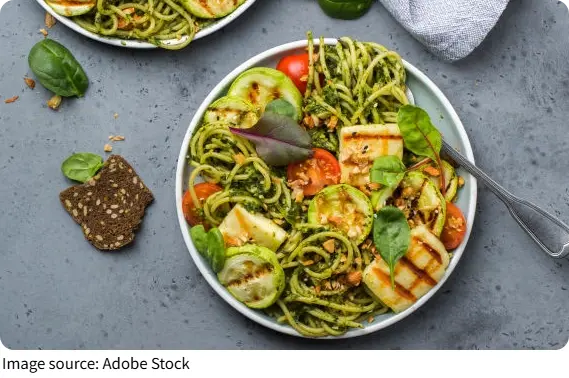
Successful plant-based meals balance flavors and textures. Think creamy, crunchy, sweet, and savory elements on the same plate.
Example: a Buddha bowl with roasted sweet potatoes, chickpeas, fresh greens, avocado, and a tahini dressing combines multiple textures and tastes. The contrast between soft, roasted vegetables and crunchy raw greens makes the dish enjoyable to eat and visually appealing. Tip: layering flavors and textures transforms simple plant-based ingredients into a satisfying meal that feels complete.
Plant-based Western foods are more than a trend—they're a way to explore creativity, flavors, and healthier choices without sacrificing satisfaction. By experimenting with proteins, dairy-free alternatives, cooking techniques, and flavor combinations, anyone can create meals that are both nourishing and indulgent. The rise of these foods shows that plant-based eating can be exciting, versatile, and delicious, opening a whole new world of possibilities for the home cook.