Classic European Dishes

Caleb Ryan
| 14-02-2026
 · Cate team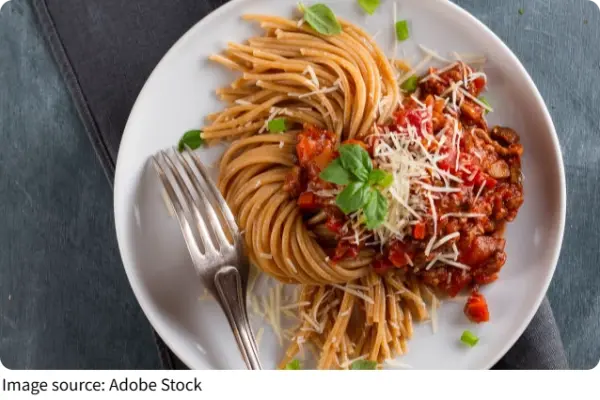
The aroma of garlic sizzling in olive oil, the smell of fresh herbs in a warm oven, and the sight of golden, bubbling cheese—these are the experiences that make European cooking so irresistible.
You don't need a restaurant or fancy tools to enjoy these dishes; with a few ingredients and some guidance, you can bring the heart of Europe to your own kitchen.
1. Italian Pasta Classics
Italian cuisine is famous for its pasta, and the beauty lies in its simplicity. Dishes like spaghetti aglio e olio or penne arrabbiata require just a handful of ingredients but deliver rich flavors. Fresh pasta is ideal, but dried pasta works perfectly if you time the cooking right.
For instance, making spaghetti aglio e olio involves gently sautéing thinly sliced garlic in olive oil, adding a pinch of chili flakes, then tossing in cooked spaghetti and finishing with fresh parsley. A practical tip is to reserve a small cup of pasta water before draining—it helps the sauce cling perfectly to the noodles. Pairing this with a simple side salad creates a balanced, satisfying meal without fuss.
2. French Comfort Foods
French cuisine often evokes images of rich sauces and delicate pastries, but many comfort foods are simple enough for home cooks. Think ratatouille, quiche, or gratins, which showcase fresh vegetables and herbs.
A step-by-step approach: for a vegetable gratin, slice zucchini, eggplant, and tomatoes thinly, layer them in a baking dish with a drizzle of olive oil and a sprinkle of thyme, and bake until tender and lightly browned. Even without complicated sauces, the natural sweetness of roasted vegetables combined with herbs makes a dish memorable. Using a thermometer to check doneness ensures vegetables are soft but not mushy, preserving both texture and flavor.
3. Spanish Tapas at Home
Spanish tapas are small plates that combine flavor, color, and variety, perfect for casual meals or gatherings. Dishes like patatas bravas, garlic shrimp, or roasted peppers bring vibrant tastes with minimal effort.
Example: for patatas bravas, cut potatoes into cubes, toss with olive oil, roast until crispy, and serve with a spicy tomato sauce. You can adjust spice levels to suit your preference, and topping with fresh parsley adds freshness. Preparing a few tapas dishes together encourages sharing and experimentation, making the meal interactive and enjoyable. Even a single pan of roasted vegetables can feel like part of a festive spread.
4. Northern European Simplicity
Northern European dishes often focus on hearty ingredients and straightforward preparation. Think roasted root vegetables, grain-based salads, or baked fish with fresh herbs. These meals highlight quality ingredients rather than complex sauces.
For example, baking salmon fillets with a simple mix of mustard, lemon juice, and dill creates a flavorful dish in under 20 minutes. Serve alongside roasted carrots and potatoes tossed with rosemary for a balanced plate. Tips like using parchment paper on the baking sheet prevent sticking and make cleanup easy, letting you enjoy the meal without hassle.
5. Sweet European Treats
No European meal is complete without dessert. While pastries and tarts may seem intimidating, many simple recipes deliver café-quality results at home. Fruit tarts, clafoutis, or rice pudding require basic ingredients but highlight seasonal flavors beautifully.
Actionable example: make a cherry clafoutis by placing pitted cherries in a buttered baking dish and pouring a simple batter of eggs, milk, flour, and sugar over them. Bake until golden and slightly puffed. Serve warm for a comforting dessert that's both visually appealing and easy to make. Using seasonal fruits ensures freshness and enhances natural sweetness, reducing the need for extra sugar.
Exploring European dishes at home shows that great flavor doesn't require complicated techniques. Focusing on fresh ingredients, simple sauces, and thoughtful seasoning allows anyone to recreate these classics. With a few recipes mastered, your kitchen can become a hub of flavors, aromas, and textures that bring a bit of Europe into everyday meals. Cooking these dishes yourself adds satisfaction beyond just eating—they become a hands-on experience of tradition, taste, and creativity.