Malaysia Island Playbook

Pardeep Singh
| 05-02-2026
 · Travel team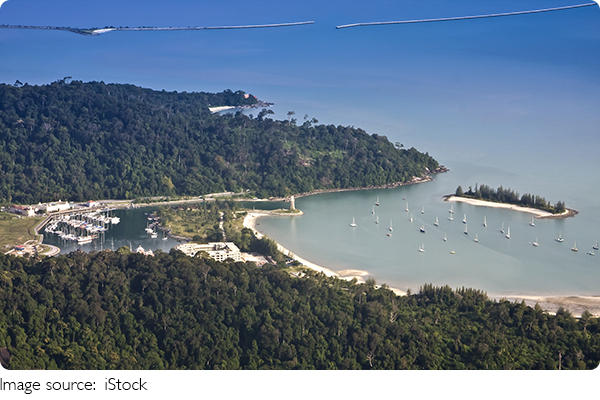
Malaysia offers some of Southeast Asia's most accessible beaches, but choosing the right islands requires careful timing. Weather patterns differ between coasts, ferry schedules vary by season and not all beaches suit every travel style.
This guide gives Lykkers a decision-oriented plan centered on three of Malaysia's strongest picks: Langkawi, Perhentian Islands, and Redang Island. You will learn when to go, how to move, how long to stay and how to avoid mistakes that disrupt first-time island trips. Instead of broad inspiration, you get concrete logistics, time windows, costs and clear yes-or-no decision rules.
Understanding Malaysia's Top Islands and Planning Core Logistics
Langkawi: Best for year-round access, smooth transport and flexible pacing
Langkawi sits on Malaysia's northwest coast and remains the most practical island for first-timers. It is accessible year-round with far fewer weather-related disruptions compared to east-coast islands.
Arrival is easy. Langkawi International Airport receives frequent flights from Kuala Lumpur for 120–300 MYR one-way.
Where to stay:
• Pantai Cenang for convenient shops and activity centers
• Tanjung Rhu for quieter, high-end resorts
Best visiting window: November to April for stable weather, though Langkawi remains accessible in other months with occasional showers.
How much time you need: 2–4 nights depending on activities.
Swimming difficulty: very easy; beaches are wide and friendly for all levels.
Common pitfalls:
• Expecting pristine coral—Langkawi excels in convenience, not snorkeling quality.
• Packing too tight of a schedule—distances are short, so enjoy slower pacing.
• Visiting mid-afternoon expecting calm temperatures—heat is intense; plan sea activities before 11:00.
Key activity: take a boat tour around the geopark (90–180 MYR), ideally between 09:00–11:00 when water conditions are smoothest.
Perhentian Islands: Best for snorkeling, relaxed beaches and clear water
The Perhentians sit off Malaysia's northeast coast and are famous for turquoise water and laid-back stays. The islands operate on a clear seasonal pattern: the best time is April to October when seas are calm. During monsoon (November–February), ferry services often pause.
Arrival: Fly to Kota Bharu, then take a taxi (about 70–90 MYR) to Kuala Besut Jetty.
Where to stay:
• Besar for quieter resorts
• Kecil for more activity options
How much time you need: 2–3 nights for snorkeling and beach time.
Snorkeling trips cost 50–120 MYR depending on the number of stops. Water visibility is highest from 09:00–13:00.
Common pitfalls:
• Booking last-minute during school holidays—boats and resorts fill quickly.
• Bringing large luggage—boats have limited storage; pack light.
• Underestimating sun exposure—shade is limited on many beaches.
Swimming difficulty: easy to moderate depending on currents; beaches are mostly sheltered.
Redang Island: Best for soft beaches, clear snorkeling and resort-style stays
Redang is one of Malaysia's cleanest and calmest islands, often chosen for soft white beaches and structured resort environments. It also operates seasonally, with the best conditions April to October.
Arrival requires flying to Kuala Terengganu, then reaching Merang Jetty by taxi (30–45 minutes, 50–80 MYR). Speedboats run daily for 55–110 MYR one-way, typically 09:00–13:00.
Where to stay:
• Long Beach for a wide, gentle shoreline
• Teluk Dalam for quieter resorts
How much time you need: 3–4 nights to enjoy snorkeling, rest and short trails.
Snorkeling difficulty: very easy; many resorts include boat trips in their package. Expect visibility to peak before 12:00.
Common pitfalls:
• Expecting nightlife—Redang is a slow-paced rest island.
• Missing the last boat—afternoon ferry services are limited.
• Underestimating resort inclusions—many packages cover meals and snorkeling, so compare costs carefully.
Building a Smart Malaysia Island Itinerary and Avoiding Mistakes
Choosing the right island based on your travel style
Use this yes-or-no structure:
• Choose Langkawi if you want easy flights, flexible weather, and varied activities.
• Choose Perhentian if you want simple beachfront days, snorkeling variety and a casual atmosphere.
• Choose Redang if you want soft beaches, structured stays and predictable calm water.
If you have 3–4 days, choose one island.
If you have 5–7 days, combine Langkawi + Perhentian or Langkawi + Redang only if you accept flight connections; ferries do not link these islands directly.
If you have 7–10 days, spend 4 nights Redang + 3 nights Langkawi for a balanced soft-beach-plus-activity itinerary.
Weather, timing and seasonal planning
Malaysia's coasts follow two different monsoon cycles:
• West coast (Langkawi): stable most of the year.
• East coast (Perhentian + Redang): closed or limited access November–February.
This means your decision depends heavily on travel dates. If your trip falls between November–February, choose Langkawi only.
Daily timing matters too:
• Swimming and snorkeling are best 09:00–12:00 before waves pick up.
• Avoid long hikes or boat rides after 14:30 during peak heat.
• Arrive at jetties at least 45 minutes before departure—boats leave on schedule.
Common timing mistakes:
• Booking morning flights too close to ferry times—always allow 2–3 hours of transfer buffer.
• Leaving island-hopping to random operators—book through hotels for reliability.
• Expecting afternoon calm—seas often grow choppier later in the day.
Transport strategy and movement efficiency
To move smoothly across Malaysia's islands:
• For Langkawi: use Grab or taxis; island distances are short and cheap.
• For Perhentian: everything happens by boat; expect 10–20 MYR water taxis between beaches.
• For Redang: many resorts include transfers; confirm details before booking.
Pack light. Rolling suitcases are inconvenient on Perhentian and some beaches on Redang. Choose a backpack if possible.
Budget planning and cost expectations
Here is a realistic estimate per island:
• Langkawi:
– Hotels: 150–450 MYR per night
– Meals: 15–40 MYR
– Boat tours: 90–180 MYR
• Perhentian:
– Resorts: 160–400 MYR
– Boat taxis: 10–20 MYR
– Snorkeling: 50–120 MYR
• Redang:
– Resorts: 250–700 MYR (often full-board)
– Snorkeling: usually included
– Boat transfer: 55–110 MYR
Worth paying for:
• Early-morning snorkeling tours
• Accommodation directly on the beach
• Round-trip ferry tickets booked with hotels for reliability
Complete loop: arrival → movement → experience → exit
A smooth Malaysia day should follow this model:
Arrival: Reach jetty or airport early to avoid queues.
Movement: Use organized transfers, not last-minute bookings.
Experience: Swim or snorkel during morning calm; rest during midday heat.
Exit: Leave beaches well before sunset to avoid safety concerns and limited boat schedules.
Malaysia's islands offer different rhythms and experiences, and choosing the right one depends on your season, comfort level and travel pace. Langkawi brings convenience and year-round access, Perhentian offers calm water and relaxed beach days, while Redang delivers soft white sand and structured resort stays.
With clear timing, weather awareness, organized transfers and practical pacing, you can build a smooth, meaningful island getaway. Use this guide as your decision-making blueprint for a confident and well-managed Malaysia beach holiday.
Malaysia