Nets at Dawn: Fishing Life

Raghu Yadav
| 07-02-2026
 · Travel team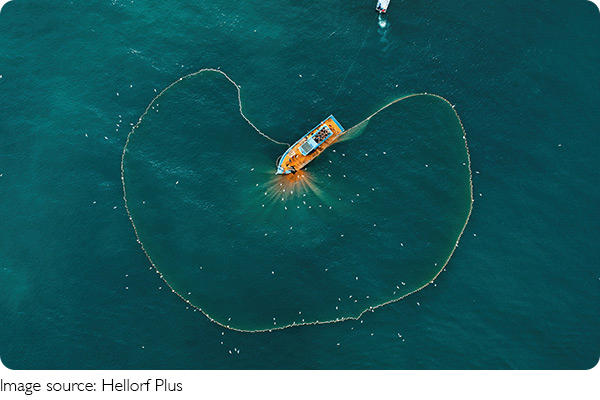
The morning mist hovers above the water as the boat rocks gently with the waves.
A fisherman readies his net, feeling the texture of each mesh in his hands. With a practiced motion, he casts it wide, watching it spread like a silver fan before sinking below the surface.
Fishing with nets is more than a livelihood—it's a skill honed over years, blending patience, timing, and an intimate understanding of the water.
The art of net fishing
1. Understanding the method
Net fishing involves casting or dragging a woven net into the water to capture fish. Different techniques exist: cast nets thrown by hand, drift nets allowed to float with the current, or seine nets pulled along the shore. Each requires a specific approach to maximize the catch without damaging the net. For example, a cast net works best in shallow, calm waters where fish congregate near the surface.
2. Choosing the right net
Mesh size, weight, and diameter vary depending on the target fish and environment. A finer mesh catches small fish but can be harder to handle, while larger meshes allow water to flow freely but only capture bigger species. Testing a small section of net in water helps determine its efficiency before committing to a full cast.
3. Timing and location
Successful net fishing depends on knowing fish behavior. Early morning or late evening often yields the best results, as fish are more active near the surface. Observing ripples, bird activity, or subtle water movements can guide the fisherman to the right spot.
Mastering the casting technique
1. Preparing the net
Untangle all sections, ensuring weights are evenly distributed along the edge. This ensures the net opens fully when thrown, maximizing the catch area. A common trick is to coil part of the net in your non-dominant hand for a smooth, circular throw.
2. The throw itself
A proper cast requires a fluid motion: swing the net in a circular pattern, release it at the right angle, and let the weights pull it downward. Practicing on land or in shallow water helps refine distance and spread before attempting deeper areas.
3. Retrieving and checking
After a few minutes, carefully pull in the net, keeping an eye on entangled fish. Avoid rushing, as abrupt movements can allow fish to escape. Once retrieved, inspect for tears or tangles before the next cast.
Essential skills for net fishing
1. Patience and observation
Net fishing is not just physical—it's mental. Watching water movement, wind direction, and even the behavior of birds helps determine where fish are most likely to be. A patient fisherman might spend hours observing before casting, increasing the chances of a productive catch.
2. Strength and endurance
Pulling in nets, especially when full of fish, requires upper-body and core strength. Regular practice, combined with simple exercises like rowing or resistance training, helps maintain stamina for long days on the water.
3. Coordination and rhythm
Smooth, consistent movements reduce fatigue and improve efficiency. From tossing the net to retrieving it, a practiced rhythm allows the fisherman to work longer without tiring, ensuring maximum effectiveness.

Practical tips for beginners
1. Start in calm waters
Practice in shallow ponds or quiet bays where currents are minimal. This allows focus on technique without worrying about waves or drifting.
2. Learn from experienced fishermen
Watching seasoned fishers provides insights on hand placement, casting angles, and timing that can't be learned from books alone. Even a short session observing a professional can accelerate skill development.
3. Maintain the net
Rinse after use, dry thoroughly, and repair any small holes immediately. A well-maintained net lasts longer and performs better, making every cast more effective.
The rhythm of life on the water
Net fishing is a dance between human skill and nature's rhythm. Each cast teaches respect for the water, patience with the process, and understanding of the fish beneath. Early mornings spent scanning the waves, preparing the net, and pulling in the day's catch become moments of focus and fulfillment.
Beyond the practicality of sustenance, fishing with nets carries a timeless charm. Watching the sun rise, feeling the tension of the line, and witnessing the silver flash of fish beneath the surface connect the fisherman to the rhythm of the water and life itself. It's more than catching fish—it's about mastering a craft that requires patience, observation, and harmony with nature.