Lienz and the Dolomites

Mukesh Kumar
| 07-02-2026
 · Travel team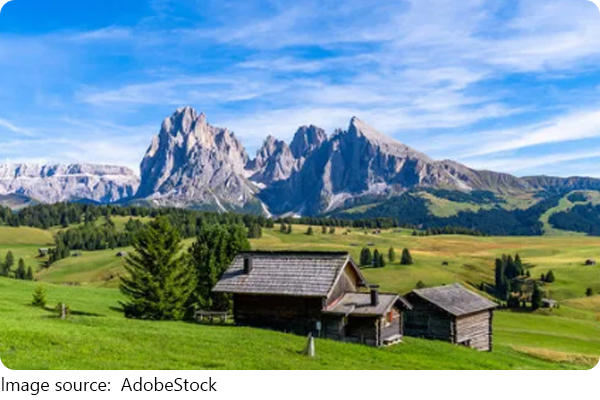
Morning in Lienz often begins quietly. Shops roll open one by one, cyclists pass along the river path, and the mountains feel close enough to touch. It's the kind of place where nothing rushes you, yet everything is within reach.
That balance is exactly why Lienz works so well as a gateway to the Lienz Dolomites.
This small Alpine town sits where valleys meet, making it easy to explore high peaks by day and return to a walkable center by evening. The appeal isn't about checking off landmarks. It's about moving at a human pace while still having access to dramatic landscapes.
Why Lienz makes sense as a base
Lienz stays grounded. Unlike bigger mountain hubs, it hasn't been swallowed by large tour groups or rigid schedules. You can step out of a café and be on a trail, or hop a cable car without needing to plan weeks ahead.
The town center is compact, flat, and practical. Grocery stores, bakeries, and outdoor shops cluster within a few blocks. This makes daily logistics easy, especially if you're traveling without a car. The real advantage, though, is proximity: within minutes, you're climbing into the Dolomites.
Zettersfeld: the easiest big view
If you want a fast introduction to the landscape, Zettersfeld is the place to start. A cable car lifts you from the edge of town to a broad alpine plateau with open views across jagged peaks and deep valleys.
Getting there: The Zettersfeld cable car station is about a 10-minute drive or a short bus ride from central Lienz.
Ticket price: A round-trip ticket costs about $28 USD.
Opening hours: Typically 9:00 a.m. to 4:30 p.m., with longer hours in summer.
Once at the top, trails range from flat walks to longer ridge hikes. This flexibility matters. You don't need to be an experienced hiker to enjoy the area. Even a one-hour loop delivers wide-open scenery and fresh air.
Local tip: Arrive before 10 a.m. for clearer skies and fewer people on the main paths.
Hochstein: closer to town, quieter feel
Hochstein sits almost directly above Lienz and feels more local than showy. It's where residents go for quick outings rather than full-day adventures.
Getting there: You can reach the Hochstein cable car on foot from the town center in about 15 minutes.
Ticket price: Around $24 USD for a round trip.
Best time to visit: Late afternoon, when light softens and day visitors thin out.
The trails here are narrower and more wooded, with occasional viewpoints opening toward the valley. It's ideal if you want movement without committing to a long hike. Benches along the way make it easy to pause and simply sit.
Dolomitenhütte: dramatic, without the chaos
For a more rugged atmosphere, head toward the Dolomitenhütte area. The road climbs steadily, ending near a cluster of peaks that feel sharper and more enclosed than those at Zettersfeld.
Getting there: Best reached by car or taxi; expect about 20 minutes from town.
Access fee: Parking and access combined usually total around $12 USD.
Why it's worth it: Sheer rock faces rise straight above the trailheads, giving the area a raw, high-mountain feel.
Short hikes from here feel intense in the best way. You're surrounded quickly, with less space and more vertical drama. It's a good reminder that the Dolomites don't need to be extreme to feel powerful.
When to visit for the best balance
Timing shapes the entire experience in Lienz. Late June through September offers the most reliable access to trails and cable cars. July and August bring warmer temperatures, but also busier weekends.
For a calmer trip, aim for early June or mid-September. Cable cars still run, trails are open, and the town feels relaxed. Days start cool and warm gradually, perfect for hiking.
Weather note: Afternoon clouds are common in summer. Plan longer hikes for mornings and keep afternoons flexible.
Getting around without stress
Lienz is friendly to travelers without cars. Trains connect the town to regional hubs, and buses run to nearby villages and lift stations. For flexibility, renting a bike is surprisingly effective; many routes follow rivers or quiet roads.
Within town, walking is enough. Distances are short, and the layout is intuitive. That simplicity adds to the sense that you're not constantly managing logistics.
What to keep in mind
The biggest mistake visitors make is overpacking their schedule. Lienz works best when you leave room for rest. One lift ride, one hike, and an unplanned hour in town can feel more satisfying than trying to see everything.
Ask yourself what you want most: elevation, quiet, or ease. Then choose accordingly. The Dolomites around Lienz reward intention more than ambition.
As evening settles in and the peaks turn soft with fading light, the town grows quieter again. People linger outside, conversations slow, and tomorrow's plans feel optional rather than urgent. That's the real gift of Lienz: it gives you space to explore the mountains without losing yourself to them.