Chamonix Under Mont Blanc

Pardeep Singh
| 08-02-2026
 · Travel team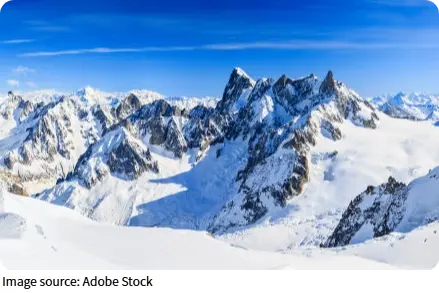
Morning in Chamonix often starts with a pause. People step outside, look up, and check the mountain. Mont Blanc doesn't hide. If the sky is clear, plans change instantly. A hike gets longer. A cable car ride moves to the top of the list. If clouds roll in, the town itself becomes the focus. Learning to read that moment is the key to traveling well here.
Chamonix, in Haute-Savoie, sits directly beneath Mont Blanc, and that position shapes everything: weather, transport, prices, even how tired you'll feel at the end of the day. This isn't a place where you rush through a checklist. It rewards travelers who plan around conditions rather than forcing a fixed schedule.
Getting oriented before doing anything
Chamonix is a long valley town, not a compact village. Different areas serve different purposes, and knowing this early saves time.
The main center, Chamonix Sud, is where most shops, restaurants, and transport connections are. Les Praz is closer to major lift stations and feels quieter. Argentière, farther north, works well if your focus is hiking rather than town life.
The valley has an excellent local train, the Mont Blanc Express. It runs roughly every hour and connects all major stops. A single ride usually costs around $3–$4, depending on distance. Many accommodations include a guest card that allows free use of local trains and buses, which can significantly reduce daily costs.
Choosing the right season, not just the right month
People often think in seasons, but in Chamonix, timing works better in weeks.
• Late June to early July: Snow still lingers at higher elevations, but crowds are manageable. Trails at lower altitude are clear, and cable cars start running more consistently.
• Mid-July to August: Peak season. Everything is open, but popular lifts get busy by mid-morning. Prices are at their highest.
• September: A sweet spot. Cooler air, fewer visitors, and clear views after early storms. Some lifts reduce schedules, so checking opening days matters.
Winter travel follows a completely different rhythm and requires separate planning around snow conditions and daylight.
Mont Blanc viewpoints: picking one that fits your energy
You don't need to climb Mont Blanc to experience it. Chamonix offers several lift-access viewpoints, each with a different commitment level.
1. Aiguille du Midi
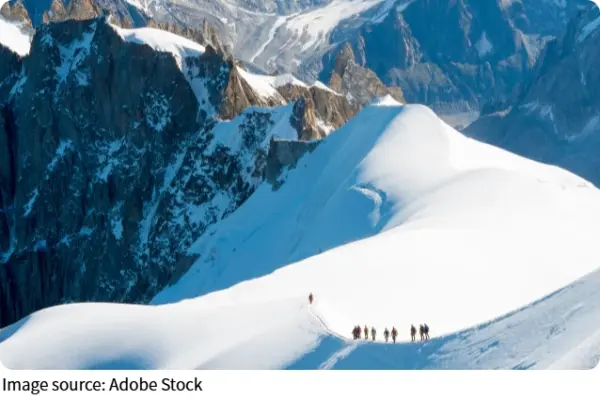
This is the most dramatic option. The cable car climbs to 3,842 meters in about 20 minutes. Tickets cost around $75–$85 round trip. The altitude is real, and some visitors feel lightheaded. Go early, ideally before 9 a.m., for clearer skies and shorter lines.
2. Montenvers and the Mer de Glace
A historic red train takes you up to a glacier viewpoint. Tickets are around $40–$45. It's less extreme in altitude and easier on the body, making it a good choice if you want views without the physical strain.
3. Brévent–Flégère
This side faces Mont Blanc directly and offers panoramic hiking options. Lift passes range from $30–$40. It's ideal if you want to combine views with a walk rather than just standing on a platform.
Managing altitude so it doesn't manage you
One common mistake is stacking high-altitude activities back to back. Even fit travelers feel the effects here.
A practical approach works better:
1. Spend your first day at valley level. Walk the town, take a short hike, let your body adjust.
2. Choose one major lift per day, not multiple.
3. Drink water consistently and eat lightly before going up.
If you feel off at altitude, go down. There's no reward for pushing through discomfort here.
Hiking without overcommitting
Chamonix's trail network is vast, but you don't need long routes to get value.
The Petit Balcon Sud trail offers steady views with moderate effort and easy exit points. The Lac Blanc hike is more demanding but delivers one of the best Mont Blanc reflections if conditions are right. Start early; arriving at the trailhead by 7:30 a.m. helps avoid congestion.
Trail signage is excellent, but weather can shift quickly. Always check the forecast the same morning, not the night before.
Daily costs and realistic budgeting
Chamonix isn't cheap, but costs are predictable.
• Cable cars: $30–$85 depending on height
• Local transport: often free with a guest card
• Casual meals: $15–$25 per person
• Groceries and bakeries offer good value for breakfasts and picnic lunches
Balancing one paid activity per day with free walks keeps spending under control.
Why Chamonix works best without rushing
What surprises many visitors is how tiring indecision can be here. There are too many options, and trying to do everything leads to rushed days and missed moments.
The mountain sets the pace. Some mornings it invites you up high. Other days it asks you to stay low, walk slowly, and wait. When you stop fighting that rhythm, the valley opens up in a different way.
As you leave Chamonix, the image that stays isn't always the highest viewpoint or the longest hike. It's often something quieter: an early train ride, clouds lifting unexpectedly, or the moment you realized adjusting your plan was the smartest decision you made. If you can travel with that flexibility, Mont Blanc gives back more than any checklist ever could.