Cabo de Gata Coast Guide

Naveen Kumar
| 09-02-2026
 · Travel team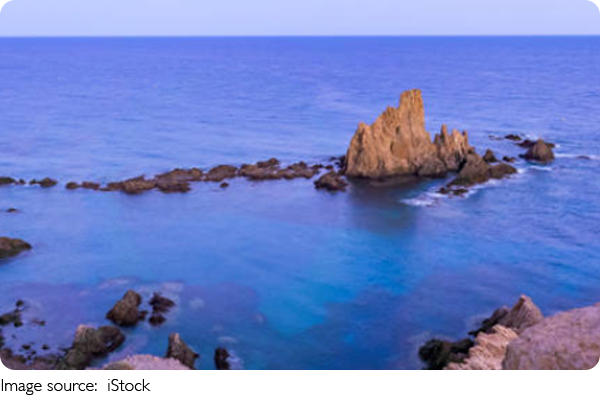
The moment you step onto the Mediterranean shore near San José, the sharp contrast between desert-like cliffs and turquoise waters becomes impossible to ignore.
Cabo de Gata National Park is more than a beach destination; it's a dynamic blend of volcanic landscapes, secluded coves, and trails that invite exploration at every turn. Planning your trip here carefully makes all the difference in enjoying both its natural beauty and practical logistics.
When to Visit
The park is best visited between May and September. Early summer (May–June) brings mild temperatures and fewer tourists, while July and August offer vibrant beach life but busier roads and parking lots. September offers a sweet spot: warm water, cooler air, and a quieter atmosphere. Sunrise and sunset are particularly magical here, as the sun hits the cliffs at sharp angles, casting long shadows and highlighting the park's jagged coastline.
Key Attractions
1. Playa de los Genoveses: A wide, sandy beach ideal for morning walks or a picnic. Access is free, and parking costs around $6–8 USD. Arrive early to find a spot during high season.
2. Playa de Mónsul: Famous for its volcanic rock formations and crystal-clear water, this beach is often used in films. The main parking area fills quickly, so plan to park at adjacent lots and walk 10–15 minutes.
3. San José Village: A small coastal town offering cafés, seafood restaurants, and bike rentals. It's a practical base for exploring nearby beaches while providing essential amenities.
4. Camino de la Amatista Trail: A 3–4 km trail starting near San José, perfect for a short hike with views of cliffs, hidden coves, and the Mediterranean beyond. Bring water and sunscreen; the trail has minimal shade.
Transportation Tips
The most convenient way to explore the park is by car. Public transportation is limited, and many beaches are only accessible via small roads. Renting a small vehicle costs around $45–70 USD per day, while mid-sized SUVs run $70–110 USD. Fuel is roughly $6–7 USD per gallon, and electric charging stations are scarce outside San José and larger towns.
For short distances or last-mile travel, bicycles or scooters can be rented in town, especially if you want to avoid the hassle of parking at popular beaches. Most rental shops provide helmets and maps.
Budget Planning
A practical daily budget for one person, including transport and meals, looks like this:
1. Car rental share: $25–55 (if shared between two people)
2. Fuel for a day of coastal driving: $15–20
3. Meals: $20–35 (cafés or light local lunches)
4. Accommodation (guesthouse or small hotel): $70–120 per night
Total daily budget: approximately $130–230 USD, depending on your comfort level and group size. Booking accommodation in advance is highly recommended during July and August.
Local Tips for a Smoother Visit
1. Parking and Access: Many beaches have limited parking. Arriving before 9 a.m. helps avoid the crowds, particularly at Playa de Mónsul.
2. Sun and Heat: The sun is strong even in May. Sunscreen, hats, and plenty of water are essential.
3. Respect Nature: Cabo de Gata is a protected area. Stay on marked paths and avoid littering. Wildlife, including nesting birds and small lizards, is abundant.
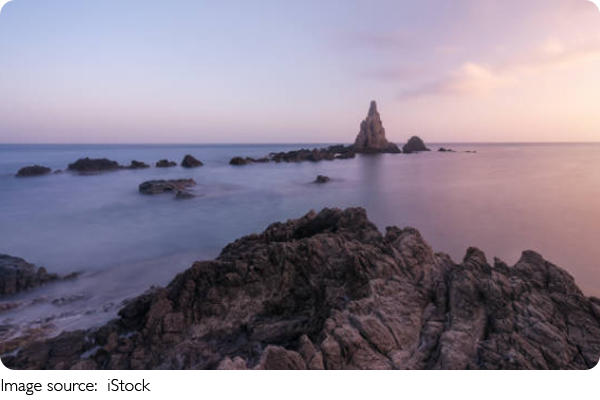
4. Timing for Photography: Early morning or late afternoon light dramatically enhances the color of the volcanic rocks and turquoise waters.
Experiences Beyond the Beaches
Cabo de Gata offers more than sand and sea. Drive along coastal roads to catch hidden coves, volcanic cliffs, and salt flats near Las Salinas. If you enjoy kayaking or snorkeling, rentals are available near San José, allowing for exploration of the coves from the water. Small fishing villages along the coast serve fresh seafood at reasonable prices, often below $20 USD per meal.
Nighttime brings a serene change. The lack of major city lights makes stargazing extraordinary. Many travelers find themselves returning to the same spot at sunset and again after dark, witnessing the full spectrum of the park's beauty.
Every trip to Cabo de Gata teaches patience and observation. The secret is not in rushing to every beach but in pausing to notice the light, the wind patterns over cliffs, and the sound of waves against volcanic rock.
Planning your visit with these details—transport, timing, and practical tips—transforms a simple beach trip into a deeply engaging experience. By pacing your exploration and prioritizing both popular spots and hidden corners, you'll leave the Mediterranean coast feeling connected to its landscape in a way that lasts long after you've returned home.