Raspberry Power

Sofia Alvarez
| 26-02-2026
 · Cate team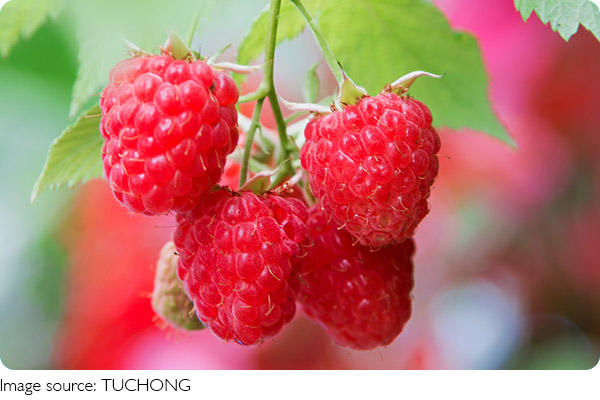
A handful of raspberries can change the whole mood of your morning. Toss them over oatmeal, swirl them into yogurt, or eat them straight from the container—your fingers stained pink and your kitchen filled with a light, fresh scent.
They're soft, slightly tart, and gone in seconds. But what looks like a delicate berry is actually one of the most nutrient-dense fruits you can put on your plate.
Raspberries aren't just pretty toppings. They're packed with fiber, vitamin C, and plant compounds that quietly support your health in practical ways.
1. Why Raspberries Are Nutritional Overachievers?
According to nutrition experts at the Harvard T.H. Chan School of Public Health, raspberries are one of the most fiber-rich fruits, providing around 8 grams of fiber per cup, which helps support digestion, stabilize blood sugar levels, and promote fullness. Their researchers also note that raspberries are an excellent source of vitamin C, a nutrient important for immune defense and collagen production that supports skin and tissue health. In addition, the fruit contains antioxidants such as anthocyanins — the compounds responsible for their deep red color — which help protect cells from oxidative stress caused by environmental and metabolic factors.
- Actionable example: Add one cup of raspberries to your breakfast for a week. Notice how long you stay satisfied compared to a lower-fiber breakfast. Many people find they snack less before lunch.
2. Supporting Digestion and Blood Sugar Balance
Gentle on digestion
Slower sugar release
Steadier energy
Raspberries have a relatively low glycemic impact compared to many sweet snacks. Their natural sugars are balanced by fiber, which slows down absorption into the bloodstream. That means fewer dramatic spikes and drops in energy.
For digestion, the fiber in raspberries supports regular bowel movements and feeds beneficial gut bacteria. A healthy gut microbiome has been linked to improved mood, immune resilience, and metabolic health.
If you're someone who feels sluggish after sugary desserts, raspberries can be a smarter alternative. They deliver sweetness without overwhelming your system.
- Actionable example: Instead of reaching for a pastry in the afternoon, try a bowl of raspberries with plain Greek yogurt and a sprinkle of nuts. You'll get protein, fiber, and healthy fats that help you stay energized through the rest of your workday.
3. Heart and Skin Benefits You Can See
Heart-friendly nutrients
Skin-supporting compounds
Natural glow support
The fiber in raspberries can help lower LDL cholesterol levels when part of a balanced diet. Meanwhile, antioxidants support vascular health by reducing oxidative stress in blood vessels.
Vitamin C plays another important role: collagen production. Collagen helps maintain skin firmness and elasticity. While no fruit is a miracle solution, consistently eating vitamin C–rich foods supports the processes your body already uses to maintain healthy skin.
Some research has also explored raspberry ketones, natural compounds found in the fruit. While supplements are heavily marketed, eating whole raspberries is the safest and most evidence-backed approach. Whole fruit provides a combination of nutrients working together, not isolated extracts.
- Actionable example: Blend raspberries into a smoothie with spinach, banana, and almond milk. This gives you vitamin C from the berries and additional plant nutrients that support overall skin and heart health.
4. Fresh, Frozen, or Garden-Grown?
Fresh and fragrant
Frozen and practical
Homegrown and rewarding
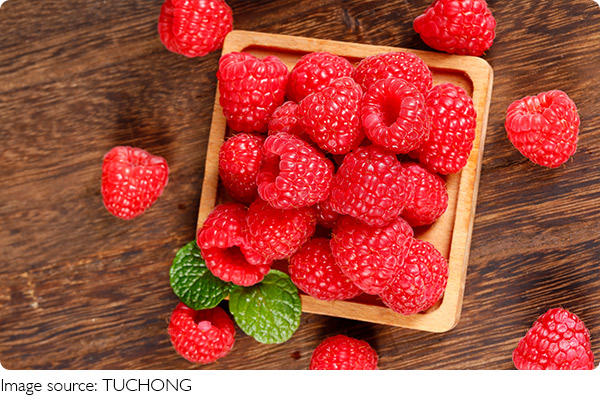
Fresh raspberries are delicate. They last only a few days in the refrigerator and should be rinsed just before eating to prevent mold. Look for berries that are plump, bright red, and free of moisture buildup.
Frozen raspberries are often picked at peak ripeness and frozen quickly, preserving nutrients. They're perfect for smoothies, baking, or stirring into warm oatmeal. Nutritionally, frozen berries are very close to fresh ones.
If you have outdoor space, raspberry plants are surprisingly productive. They prefer full sun and well-drained soil. With basic care—regular watering and seasonal pruning—you can harvest bowls of berries each year.
- Actionable example: Keep a bag of frozen raspberries in your freezer at all times. When you're low on fresh fruit, you'll always have a nutrient-dense option ready in minutes.

5. Simple Ways to Eat More Raspberries
Breakfast boost
Snack upgrade
Healthy dessert swap
Stir them into overnight oats. The berries soften slightly and release juice, naturally sweetening the oats without added sugar.
Add them to salads with mixed greens, seeds, and a light vinaigrette. Their tartness balances leafy flavors beautifully.
Mash raspberries and spread them over whole-grain toast instead of jam. You'll avoid added sugars while keeping the bright flavor.
You can even simmer raspberries gently to make a quick sauce for pancakes or yogurt. No added sweeteners needed—just heat and stir.
A small fruit, yes. But raspberries prove that size doesn't define impact. When you make space for them in your routine, you're not chasing trends or superfood hype. You're simply choosing a fruit that delivers real nutritional value in every handful. And sometimes, that's exactly what your body needs—something simple, vibrant, and quietly powerful.