Classic Gingerbread Cake

Naveen Kumar
| 26-02-2026
 · Cate team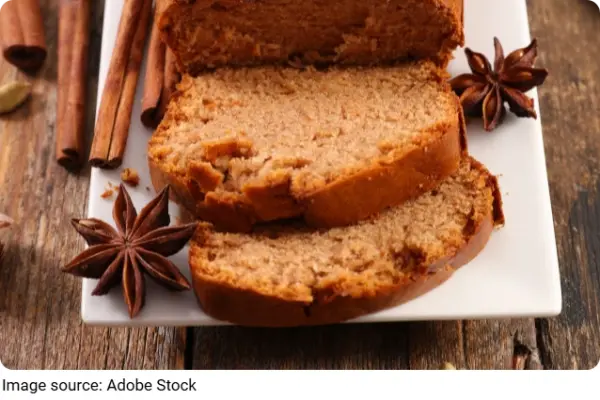
The smell of gingerbread baking has a way of filling every corner of the kitchen.
It's warm, slightly sweet, and deeply comforting. Gingerbread cake isn't just for special occasions—it's the kind of recipe you can make on a quiet weekend and enjoy all week long.
The secret isn't complicated techniques. It's about balancing spices, moisture, and baking time so every slice is soft, fragrant, and just a little sticky in the best way.
1. Gather the Right Ingredients
For a standard 9-inch square cake, you'll need:
- 2 cups (250 g) all-purpose flour
- 1 tablespoon ground ginger
- 1 teaspoon ground cinnamon
- 1/4 teaspoon ground cloves
- 1 teaspoon baking soda
- 1/2 teaspoon salt
- 1/2 cup (115 g) softened butter
- 1/2 cup (100 g) brown sugar
- 1 cup (240 ml) molasses
- 2 large eggs
- 3/4 cup (180 ml) hot water (traditional) or milk
Molasses is essential—it gives gingerbread its dark color and deep flavor. Substitutes will change the taste and color, so use molasses for the most traditional result.
Actionable tip: Before mixing, measure and set out everything. This prevents overmixing while you search for ingredients, which can make the cake dense.
2. Mix the Batter Properly
Cream butter and sugar
Add wet ingredients gradually
Combine dry ingredients separately
Proper mixing determines texture. Start by creaming the softened butter and brown sugar together for 2–3 minutes until light and fluffy. This step incorporates air, helping the cake rise evenly.
- Beat in the eggs one at a time.
- Add molasses and mix until smooth.
- In a separate bowl, whisk together flour, spices, baking soda, and salt.
- Gradually add dry ingredients to the wet mixture.
- Slowly pour in hot water or milk and mix until just combined.
The batter will look thin—that's normal. It helps create a moist, tender crumb after baking.
Actionable tip: Stop mixing as soon as you don't see streaks of flour. Overmixing develops gluten, which can make the cake tough.
3. Bake with Care
Preheat the oven
Prepare the pan
Check for doneness correctly
Preheat your oven to 350°F (175°C). Grease and lightly flour a 9-inch square baking pan or line it with parchment paper for easy removal.
- Pour the batter evenly into the prepared pan.
- Smooth the top with a spatula.
- Bake for 35–40 minutes.
To check for doneness, insert a toothpick into the center. It should come out with a few moist crumbs but no wet batter. Gingerbread should stay moist, so avoid overbaking.
Actionable tip: Start checking at 35 minutes. Ovens vary, and even five extra minutes can dry out the edges.
4. Let It Cool and Set
Rest before slicing
Allow flavors to develop
Prevent crumbling
- Once baked, let the cake cool in the pan for at least 20 minutes. Gingerbread firms up as it cools. Cutting it too early may cause it to crumble.
- After it reaches room temperature, you can remove it from the pan if you used parchment paper. Some people find gingerbread tastes even better the next day, as the spices deepen overnight.
Actionable tip: Wrap the cooled cake tightly in plastic wrap and leave it at room temperature overnight. The texture becomes softer and the flavor tastes deeper.
5. Serve and Customize
Dust with powdered sugar
Top with whipped cream
Add a citrus glaze
Gingerbread cake is delicious on its own, but simple toppings can elevate it.
- Dust lightly with powdered sugar for a classic look.
- Add a spoonful of freshly whipped cream for contrast.
- Drizzle a simple glaze made from powdered sugar and a few teaspoons of lemon juice for brightness.
You can also add finely chopped nuts to the batter or a handful of raisins for texture, but keep additions moderate so the spice flavor remains the star.
Actionable tip: Warm individual slices in the microwave for 10–15 seconds before serving. The spices become more aromatic and the cake feels freshly baked.
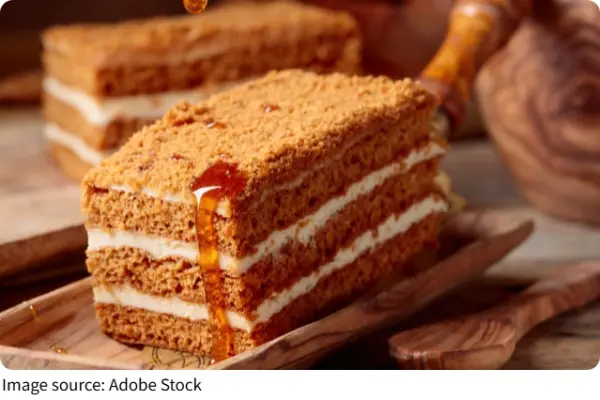
Gingerbread cake is one of those recipes that rewards patience and balance. With the right ingredients, gentle mixing, and careful baking, you'll get a cake that's moist, warmly spiced, and deeply satisfying. Once you've mastered the base recipe, you can adjust spice levels or toppings to suit your taste. It's simple, reliable, and always comforting—exactly what a homemade cake should be.