Classic Homemade Hummus

James Carter
| 27-02-2026
 · Cate team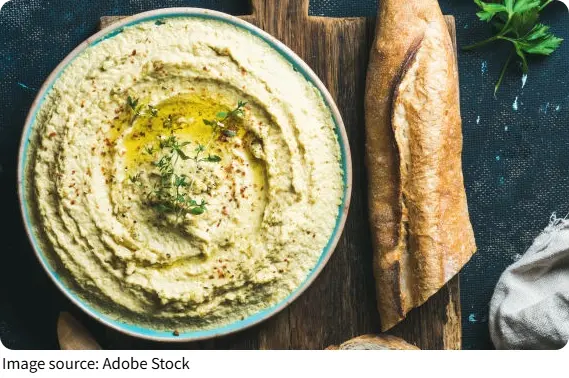
There's a moment when you drag a piece of warm flatbread through a bowl of fresh hummus and realize store-bought just doesn't compare.
The texture is smoother, the flavor brighter, and the garlic tastes fresh instead of muted. The good news?
Making classic hummus at home is far easier than most people think. With a handful of ingredients and the right steps, you'll get that silky, restaurant-style result in your own kitchen.
Ingredients You'll Need
Simple staples
Balanced flavor
Fresh essentials
Ingredients (makes about 2 cups):
- 1 can (400 g) chickpeas, drained and rinsed
- 60 ml (1/4 cup) tahini
- 2 tablespoons fresh lemon juice (about 1 medium lemon)
- 1 small garlic clove, minced
- 2 tablespoons olive oil, plus more for serving
- 1/2 teaspoon salt
- 2–4 tablespoons cold water (or reserved chickpea liquid)
Each ingredient plays a clear role. Chickpeas provide the body and protein. Tahini gives that nutty depth. Lemon juice adds brightness. Garlic brings sharpness, and olive oil smooths everything out.
Actionable tip: If you want extra-smooth hummus, reserve 2 tablespoons of the chickpea liquid before draining. You can use it instead of water during blending for a silkier texture and flavor consistency.
Step-by-Step Preparation
Smooth texture
Even blending
Proper seasoning
1. Place tahini and lemon juice into a food processor first. Blend for 30–40 seconds until creamy and slightly thickened. This step whips air into the tahini, helping the final texture become lighter.
2. Add the minced garlic and salt. Blend again for 20 seconds.
3. Add the drained chickpeas. Process for 1–2 minutes. Scrape down the sides of the bowl halfway through.
4. With the processor running, drizzle in olive oil.
5. Add cold water (or reserved chickpea liquid) one tablespoon at a time until the hummus becomes smooth and creamy. Blend for another full minute to achieve a silky finish.
Many people stop blending too early. That's why their hummus turns out slightly grainy. Give it an extra 60 seconds—you'll notice the difference immediately.
Actionable tip: If your hummus feels too thick after chilling, stir in 1 teaspoon of warm water and mix thoroughly. Texture changes slightly once refrigerated, and this small adjustment restores creaminess.
Optional Texture Upgrade
Extra creamy
Professional finish
Worth the effort
For truly ultra-smooth hummus, you can remove the skins from the chickpeas. It sounds tedious, but it's surprisingly quick.
Steps:
- After draining and rinsing, place chickpeas in a bowl of water.
- Gently rub them between your hands.
- The skins will float to the top—skim them off.
This extra step takes about 8–10 minutes for one can. It's optional, but the result is noticeably smoother.
Actionable tip: If you're preparing hummus for guests or a special dinner, take the time to remove the skins. For everyday snacking, skipping this step is perfectly fine.
Flavor Variations Without Overcomplicating
Fresh herbs
Spice twist
Roasted depth
Once you've mastered the base recipe, small adjustments can transform the flavor.
- Add 1 tablespoon chopped parsley or cilantro for a fresh herbal note.
- Blend in 1/2 teaspoon ground cumin for warmth.
- Mix in 2 tablespoons roasted red peppers for subtle sweetness.
Keep changes moderate. Classic hummus is about balance, not overpowering additions.
Actionable tip: Always taste before adding more salt or lemon. Blend for 10 seconds after each adjustment so flavors integrate evenly instead of sitting on top.
Serving and Storage Tips
Fresh presentation
Proper storage
Better texture later
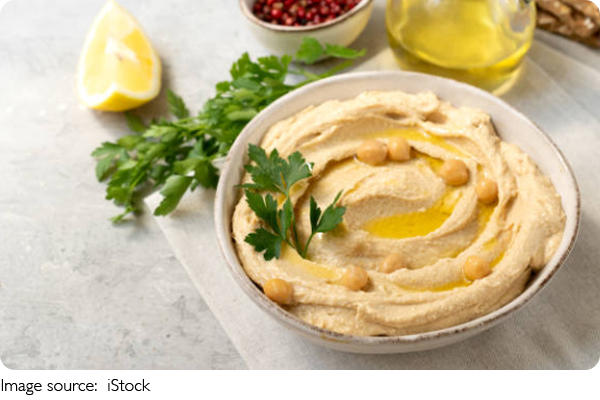
To serve, spread hummus into a shallow bowl using the back of a spoon to create gentle swirls. Drizzle with 1 teaspoon olive oil and sprinkle a pinch of paprika or chopped herbs on top.
Hummus pairs well with sliced cucumbers, carrot sticks, bell peppers, or warm flatbread. It also works as a sandwich spread or a base for grain bowls.
Storage steps:
- Transfer hummus into an airtight container.
- Smooth the surface and add a thin layer of olive oil on top.
- Seal tightly and refrigerate for up to 4–5 days.
The olive oil layer helps reduce drying and surface darkening.
Actionable tip: If you're meal prepping, portion hummus into small containers. This prevents repeated air exposure, which can affect freshness.
Homemade hummus isn't just about saving money or avoiding additives. It's about control—over texture, flavor, and quality. Once you make it yourself, you'll notice how customizable it is: a little more lemon for brightness, a touch more tahini for richness, slightly thinner for dipping, thicker for spreading.
The first time you scoop up that creamy blend and taste the fresh garlic and lemon working together, you'll understand why so many kitchens keep this recipe on repeat. It's simple, reliable, and satisfying—exactly the kind of food that earns a permanent spot in your routine.