Choose the Perfect Teapot

Pankaj Singh
| 27-02-2026
 · Cate team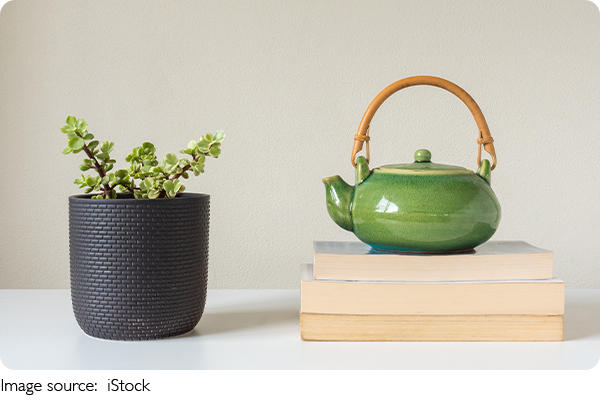
There's something almost magical about the moment you pour hot water into a teapot.
The aroma rises, the steam swirls, and you know a quiet, satisfying ritual is about to begin. But not every teapot brings out the best in your tea. Choosing the right one can make a huge difference in taste, aroma, and even the mood of your tea experience.
1. Consider the Material
The material of a teapot directly affects heat retention, durability, and how flavors develop. Common options include ceramic, glass, stainless steel, and cast iron.
Tips:
Ceramic teapots retain heat well and are excellent for black or herbal teas.
Glass teapots allow you to watch leaves unfurl, ideal for green teas or flowering teas.
Stainless steel is durable and perfect for everyday use, though it may not enhance flavor as much.
Cast iron holds heat for a long time, making it great for long steeping sessions.
Actionable example: If you often brew green tea, try a glass teapot. Observe how the color deepens and the leaves expand—it helps you judge the right steeping time visually.
2. Size Matters
Teapots come in a range of sizes, from small single-serving pots to large ones for entertaining. The size you choose should match how you drink tea and how many people you typically serve.
Tips:
Small teapots (300–500 ml) are ideal for personal use and allow better control over steeping.
Medium teapots (600–900 ml) are versatile for two to three people.
Large teapots (1 liter or more) are useful for gatherings or afternoon tea sessions.
Actionable example: Measure your average tea consumption per sitting. If it's usually one cup, a small teapot avoids over-brewing and wasted tea.
3. Shape and Design
The shape of a teapot affects both pouring and heat circulation. Rounder pots often circulate leaves better, improving flavor extraction, while taller, narrower pots may be easier to handle.
Tips:
Look for a spout that pours smoothly without dripping.
A well-fitted lid helps maintain temperature.
Consider handle comfort, especially if the kettle will be heavy when full.
Actionable example: Pour a full kettle of water in the store or at home to test for drips and balance. A steady pour ensures a better brewing experience.
4. Ease of Cleaning
Regular cleaning keeps your teapot fresh and prevents residue from affecting taste. Some materials are easier to clean than others, which is important for daily use.
Tips:
Glass and stainless steel teapots are usually dishwasher-safe and simple to rinse.
Ceramic and cast iron often require gentle hand washing to maintain glaze and prevent rust.
Avoid soap in porous teapots like unglazed clay; hot water rinse is enough.
Actionable example: After each use, rinse the teapot with hot water and let it air-dry. For clay teapots, dedicate it to one type of tea to maintain flavor integrity.
5. Aesthetic and Personal Style
A teapot is not only functional—it's part of your tea ritual. Choosing one that matches your personal style can enhance enjoyment and create a relaxing atmosphere.
Tips:
Pick colors and designs that complement your kitchen or tea space.
Consider teapots with patterns or textures that make handling enjoyable.
Balance style with practicality; beauty should not compromise pouring or cleaning.
Actionable example: Select a teapot that makes you excited to brew tea. Your daily ritual feels more special when your teapot reflects your personality.
6. Budget Considerations
Teapots range from affordable to premium collector pieces. Setting a budget helps narrow options without sacrificing quality.
Tips:
Determine whether this is for daily use or occasional entertainment.
Higher-end materials like cast iron or hand-crafted ceramics may cost more but last longer.
Less expensive glass or stainless steel options provide excellent function at lower cost.
Actionable example: Compare two teapots in your preferred material and size. Weigh durability, aesthetics, and cost to decide the best value for your routine.
Choosing the right teapot transforms your tea-drinking experience. By considering material, size, design, ease of cleaning, personal style, and budget, you can find a kettle that enhances flavor, comfort, and enjoyment. A thoughtfully chosen teapot isn't just a kitchen item—it's a companion for quiet mornings, shared afternoons, and mindful moments of relaxation.