Eating or Juicing Peaches

Amit Sharma
| 27-02-2026
 · Cate team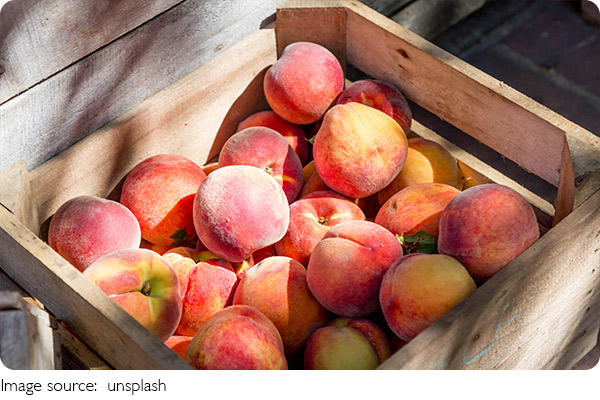
Peaches are a staple of summer and a favorite snack for many. Their soft flesh, sweet aroma, and juicy texture make them irresistible.
But when it comes to enjoying their health benefits, should you eat them whole or blend them into juice? The answer isn't one-size-fits-all—it depends on what you want from the fruit. Understanding the differences can help you make a choice that's both delicious and beneficial.
Whole Peaches Preserve Fiber
Eating a peach directly gives you the full benefit of its fiber, which is mostly lost when juicing. Fiber aids digestion, supports gut health, and helps regulate blood sugar levels.
1. Choose ripe, fresh peaches
Pick peaches that are slightly soft to the touch but not mushy. A ripe peach ensures maximum flavor and nutrient content.
2. Keep the skin on
The skin contains much of the fiber and antioxidants. Simply wash thoroughly and enjoy the peach whole for the best results.
3. Snack or mix
Slice peaches into oatmeal, yogurt, or salads. This adds fiber and natural sweetness without extra sugar. For example, adding two sliced peaches to your morning yogurt can increase your fiber intake by nearly 3 grams.
Juicing Can Concentrate Vitamins
Juicing peaches extracts the liquid and flavor, making it easy to consume multiple fruits at once. This can be a convenient way to boost vitamin intake quickly, particularly vitamin C and certain antioxidants.
1. Use fresh, ripe peaches
Select peaches free from bruises or mold. The sweeter the fruit, the more flavorful the juice.
2. Blend with other fruits
Combine peaches with oranges or berries to enhance vitamin content and add variety. A simple blend of two peaches with half a cup of blueberries can create a nutrient-rich morning drink.
3. Drink immediately
Nutrition researcher Dr. Carol S. Johnston notes in studies on fruit juice that vitamin C is highly sensitive to oxidation once juice is exposed to air. Because oxygen and light gradually break down ascorbic acid and other antioxidants, freshly prepared juices retain more of their natural nutrients. In practical terms, drinking juice soon after it’s made — whether from peaches or other fruits — helps preserve more of its original nutritional value.
Sugar and Calorie Considerations
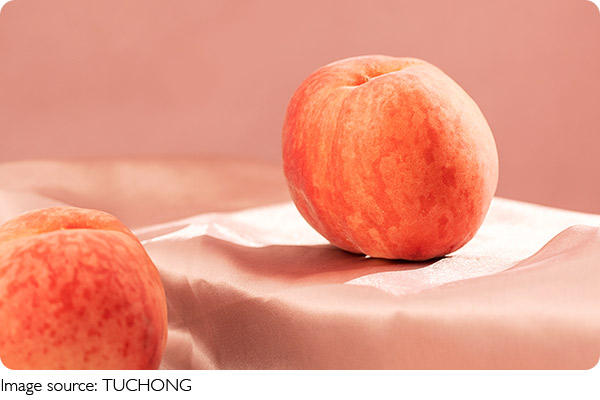
One major difference between eating and juicing peaches is how your body processes sugar. Whole peaches release sugar slowly due to their fiber, while juice delivers a quick spike in blood sugar.
1. Monitor portion size
A single peach contains about 13 grams of natural sugar, while a glass of peach juice made from two or three peaches can have 30 grams or more. Consider this if you are watching sugar intake.
2. Combine with protein
Pairing peach juice with a protein source, like a handful of nuts or a scoop of Greek yogurt, can slow sugar absorption and reduce energy spikes.
3. Dilute juice if needed
Mixing peach juice with water or sparkling water can lower sugar concentration while keeping it refreshing.
Antioxidants and Phytonutrients
Peaches contain antioxidants like beta-carotene and polyphenols, which may support heart and skin health. Some of these compounds are sensitive to light and air, so handling matters.
1. Eat fresh when possible
The closer the peach is to harvest, the higher the antioxidant content. If possible, enjoy peaches shortly after purchase.
2. Minimal processing for juice
If juicing, avoid heat-based methods. Cold-pressing or blending retains more phytonutrients than cooking or canning.
3. Freeze excess
If you have many peaches, slice and freeze them. Frozen peaches can be used in smoothies, preserving most vitamins and antioxidants.

Personal Preference and Lifestyle
Ultimately, choosing between eating and juicing peaches depends on your lifestyle and goals. Whole peaches support satiety and slow sugar absorption, making them ideal for snacks. Juicing is convenient for busy mornings or when you want a nutrient boost quickly.
1. Mix approaches
You can enjoy whole peaches as snacks and drink juice as a supplement. For instance, eat a peach mid-morning and sip juice with breakfast.
2. Consider convenience
Juicing may appeal to those who dislike peeling or slicing fruit, while whole peaches require minimal preparation.
3. Taste matters
Some people simply prefer the experience of biting into a juicy peach, while others enjoy a cold, sweet glass of juice. Choosing what you enjoy ensures you'll include more fruit in your diet.
Both eating and juicing peaches offer benefits, but the choice comes down to fiber, convenience, and personal preference. Eating whole peaches maximizes fiber and keeps blood sugar stable, while juice can provide a concentrated vitamin boost and quick refreshment. By understanding the differences, you can tailor your peach intake to fit your health goals and lifestyle, ensuring every bite—or sip—is both delicious and nourishing.