Best Time to Eat Fruits

Chris Isidore
| 11-03-2026
 · Cate team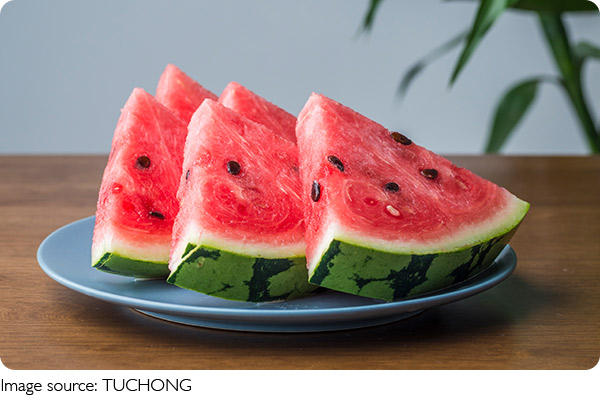
Fruit is one of the easiest ways to get vitamins, fiber, and a natural energy boost. But not every fruit tastes its best all year long.
Eating fruits at their peak season makes them sweeter, more nutritious, and easier on your wallet. Here's a guide to enjoying fruits at the perfect time throughout the year.
1. Spring Fruits
Spring brings a refreshing selection. Strawberries, cherries, and apricots start to ripen, offering vibrant flavor and high vitamin content. Eating them in season ensures maximum sweetness and antioxidants.
Tip: Try a strawberry and apricot salad with a splash of lemon juice to enhance freshness. Lightly wash and pat dry to maintain flavor and texture.
2. Summer Fruits
Summer fruits are juicy and hydrating. Watermelons, peaches, blueberries, and mangoes are at their sweetest in these warmer months. The high water content helps you stay refreshed on hot days.
Tip: Chill watermelon slices or make a mixed berry smoothie. For mangoes, let them ripen at room temperature until they yield slightly to touch before slicing.
3. Autumn Fruits
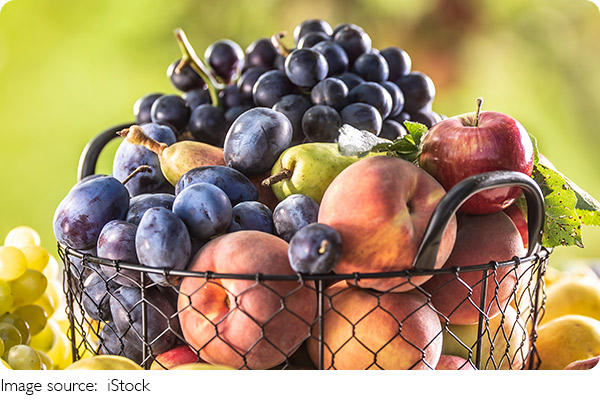
Autumn offers apples, pears, figs, and grapes. These fruits are often richer and sweeter as the cooler nights concentrate sugars. Autumn fruits are excellent for snacking or adding to warm dishes.
Tip: Bake apple or pear slices with a touch of cinnamon for a cozy dessert. Grapes can be frozen and used as a refreshing snack or natural ice cubes for drinks.
4. Winter Fruits
Winter brings citrus and kiwis, which are packed with vitamin C to support immunity during colder months. Oranges, tangerines, and grapefruits are juiciest and most flavorful in this season.
Tip: Enjoy citrus segments on their own or toss them into salads for a bright, refreshing flavor. Store in a cool, dry place to keep them fresh longer.
5. Tropical Fruits
Tropical fruits like pineapples, papayas, and bananas are often available year-round, but their peak sweetness can vary. Look for fruits that feel slightly heavy for their size and emit a fragrant aroma.
Tip: Slice pineapple and papaya into bite-sized pieces for a tropical fruit bowl. Bananas can be kept at room temperature until fully yellow for optimal sweetness.
6. Mixed Fruit Bowls
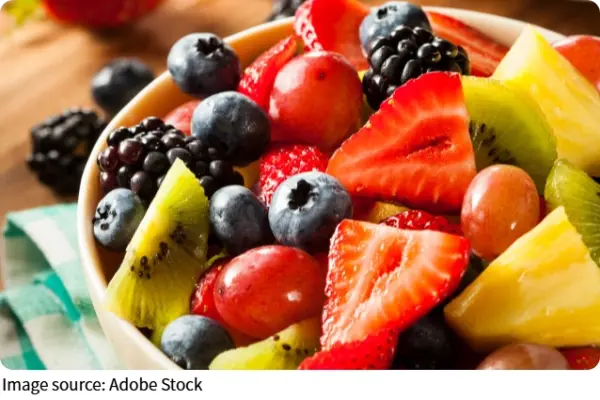
Combining seasonal fruits enhances flavor and nutrition. Mixing different textures and colors not only looks appealing but also balances nutrients and antioxidants.
Tip: Create a rotating fruit bowl each week using whatever is in season. A mix of berries, citrus, and melon can satisfy cravings while providing variety.
7. Timing for Ripeness
Even seasonal fruits need proper timing to hit peak flavor. Check for aroma, color, and slight softness as indicators of readiness. Buying just before they reach peak ripeness allows them to develop more sweetness at home.
Tip: Store fruits like mangoes and peaches at room temperature until ripe, then move them to the fridge to maintain freshness.
8. Portioning and Storage
Cutting and storing fruits properly keeps them fresh longer. Use airtight containers for pre-cut fruit and separate ethylene-producing fruits like apples and bananas from sensitive ones like berries.
Tip: Line containers with paper towels to absorb excess moisture and prevent spoilage.
9. Meal Pairings
Pair fruits with breakfast, snacks, or desserts for maximum benefit. Seasonal fruits complement cereals, yogurt, or smoothies, adding natural sweetness and fiber.
Tip: Top morning oatmeal with fresh autumn apples or summer berries for a nutrient-packed start to the day.
10. Enjoying Year-Round Variety
Following a seasonal fruit schedule helps you enjoy optimal flavor and nutrition without over-relying on imported or out-of-season produce. It also encourages variety in your diet.
Tip: Keep a small notebook or phone note of which fruits are in season each month. Planning ahead ensures you never miss peak flavors.
Eating fruits in their proper season not only boosts taste but also maximizes nutrients and satisfaction. By paying attention to timing, ripeness, and storage, you can enjoy sweet, flavorful, and healthful fruits throughout the year. Small adjustments in timing and preparation make a big difference in taste and quality, turning every snack or meal into a treat.