Electric Bikes Go Green

Raghu Yadav
| 20-03-2026
 · Automobile team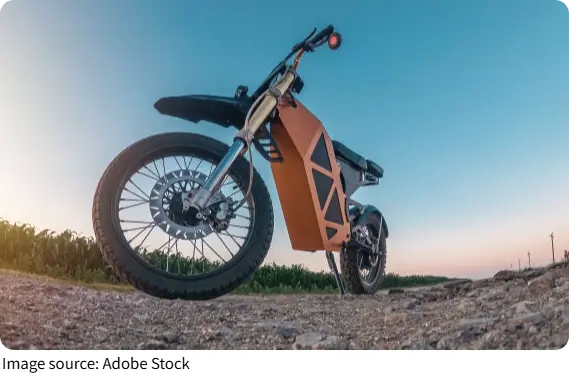
The low hum of an electric motorcycle passing by on a busy street is a subtle hint that change is happening.
No roaring engine, no thick exhaust—just smooth acceleration and a quieter city soundscape. For riders and urban planners alike, electric motorcycles offer a glimpse of a cleaner, more sustainable future.
No roaring engine, no thick exhaust—just smooth acceleration and a quieter city soundscape. For riders and urban planners alike, electric motorcycles offer a glimpse of a cleaner, more sustainable future. But their appeal goes beyond quiet rides; these bikes are reshaping how we think about energy, emissions, and commuting.
Environmental Benefits of Electric Motorcycles
Electric motorcycles dramatically reduce environmental impact compared to traditional gas-powered bikes.
Zero tailpipe emissions: Unlike gasoline motorcycles, electric bikes produce no exhaust fumes during operation. This means less nitrogen oxide, carbon monoxide, and particulate matter in crowded streets. A delivery rider switching to an electric model can contribute directly to cleaner air in dense urban areas.
Lower carbon footprint: Electricity can come from renewable sources, reducing overall greenhouse gas emissions. Charging a bike with solar-powered home panels or green energy subscriptions makes commuting nearly carbon-neutral. For instance, a rider who charges daily with renewable energy can avoid releasing hundreds of kilograms of CO₂ annually.
Reduced noise pollution: Electric motors are quieter than internal combustion engines. This lessens urban noise, making streets calmer and reducing stress for both riders and pedestrians. Neighborhoods with higher adoption of electric motorcycles report noticeably lower street noise during peak hours.
Cost Savings and Efficiency
Electric motorcycles are not just environmentally friendly—they also offer financial and operational advantages.
Lower running costs: Electricity is cheaper than gasoline, and electric motors require less maintenance. No oil changes, fewer moving parts, and minimal brake wear translate into savings over time. A commuter who rides 30 kilometers daily may spend a fraction on electricity compared to fuel.
Regenerative braking: Many electric motorcycles recover energy during braking, increasing efficiency and extending battery life. This feature not only reduces energy consumption but also limits wear on brake components.
Incentives and perks: Some cities offer tax benefits, parking privileges, or access to restricted zones for electric vehicles. Riders using an electric motorcycle in urban centers can save both money and time compared to conventional vehicles.
Market Trends and Growth
The electric motorcycle market has expanded rapidly in recent years, fueled by technology and consumer interest.
Diverse model availability: From scooters for short city commutes to high-performance sport bikes, options are growing. Riders can choose models with ranges from 60 km to over 300 km, suiting urban commuting, long-distance travel, or recreational riding.
Advancements in battery technology: Lithium-ion and solid-state batteries offer faster charging, longer lifespan, and lighter weight. A rider who once hesitated due to limited range may now comfortably cover 100 kilometers on a single charge.
Global adoption: Increasing urbanization, stricter emission regulations, and shifting consumer awareness drive market growth. Motorcycle manufacturers are investing heavily in electric technology, introducing models designed for urban delivery fleets, personal commuting, and sport enthusiasts alike.
Challenges and Considerations
While the benefits are clear, riders and potential buyers should understand the challenges of electric motorcycles.
Charging infrastructure: Access to charging stations can limit convenience, particularly in rural or suburban areas. Riders can mitigate this by installing home chargers or planning routes around public charging points.
Initial cost: Electric motorcycles often have higher upfront prices than gasoline counterparts. However, long-term savings on fuel and maintenance usually offset this investment. Leasing options and financing programs make adoption easier for everyday commuters.
Battery lifespan: Batteries degrade over time, reducing range. Proper charging habits, such as avoiding frequent deep discharges and using recommended chargers, extend battery life and maintain performance.
Looking Ahead
The future of electric motorcycles looks promising, as technology and consumer awareness continue to advance.
Integration with smart city initiatives: Electric motorcycles can complement urban mobility plans, integrating with public transport, ride-sharing programs, and low-emission zones. For example, delivery services using electric bikes reduce both congestion and pollution in downtown areas.
Innovation in design: Lighter frames, enhanced aerodynamics, and connected features like GPS tracking and app-controlled settings make riding more efficient and enjoyable. Riders can customize performance and monitor battery health in real-time.
Broader adoption: As prices drop and infrastructure improves, electric motorcycles may become the default choice for urban commuters, weekend riders, and delivery services alike. Their environmental and financial advantages encourage wider acceptance over the next decade.
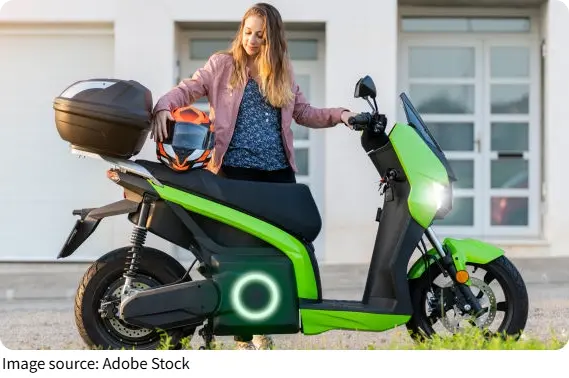
Electric motorcycles represent more than just a new way to ride—they're a step toward cleaner cities, quieter streets, and smarter mobility. For riders, switching to electric is a practical way to contribute to environmental change while enjoying the thrill of the road without compromise.