Auto Market Shift

Amit Sharma
| 20-03-2026
 · Automobile team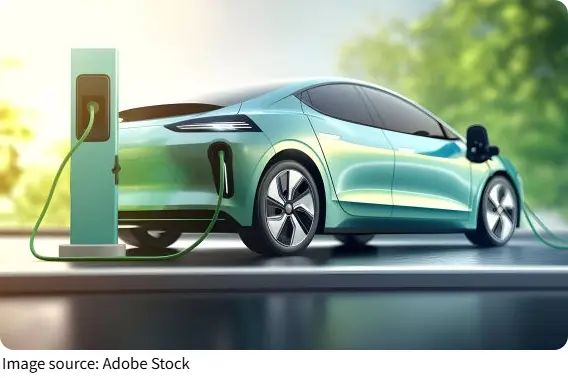
The U.S. auto industry entered the year with uncertainty—but ended up delivering a surprisingly resilient performance.
Despite high vehicle prices, expensive financing, and policy pressure, the market managed to expand, driven by strong demand in key segments.
Still, beneath the surface, structural changes are reshaping the road ahead.
A Resilient Year for Auto Sales
The industry posted solid growth, with total vehicle sales climbing to approximately 16.2 million units—the strongest performance since before the pandemic era. Early momentum came from strong demand for trucks and SUVs, which continue to dominate consumer preferences.
However, this growth was not evenly distributed throughout the year. While the first half showed robust activity, momentum slowed later as affordability concerns intensified and demand for certain segments weakened.
At the same time, vehicle prices remained elevated. Buyers paid an average of over $50,000 for a new car, reflecting ongoing cost pressures across manufacturing, supply chains, and dealership networks.
Top Automakers Lead the Pack
The competitive landscape remained largely unchanged, with established manufacturers maintaining their dominance.
General Motors — Continued its leadership with strong gains across multiple brands and sustained dominance in full-size pickups
Toyota Motor — Secured second place with notable growth, driven by high demand for hybrid and fuel-efficient models
Ford Motor — Held third position, powered by the enduring success of its F-Series trucks
These companies benefited from diversified portfolios, allowing them to balance traditional combustion vehicles with electrified offerings. Their ability to adapt to shifting consumer demand proved critical.
Electric Vehicles Face a Reality Check
The electric vehicle segment experienced a mixed year. Demand surged early on as buyers rushed to take advantage of expiring incentives, but momentum faded once those benefits disappeared.
This shift exposed underlying challenges: high upfront costs, limited charging infrastructure in some regions, and growing competition. Even market leaders felt the pressure.
Tesla recorded a decline in annual deliveries, marking a notable change after years of rapid expansion.
Meanwhile, traditional automakers adjusted their strategies. Instead of aggressively pushing all-electric plans, many began recalibrating toward hybrid models and balanced product lines. This approach reflects a more cautious alignment with actual consumer demand.
Autonomous Technology Gains Ground
Beyond electrification, the race toward autonomous driving accelerated. Companies continued investing heavily in self-driving systems and mobility services.
Key players expanded robotaxi programs and testing initiatives, signaling that autonomous vehicles are no longer a distant concept. Instead, they are becoming a central pillar of long-term industry strategy.
Artificial intelligence also emerged as a critical enabler, improving everything from manufacturing efficiency to in-vehicle software systems.
Key Industry Takeaways
Several core trends defined the year and will shape what comes next:
- Sales growth remained positive despite economic headwinds
- Vehicle prices stayed near record highs, pressuring affordability
- EV demand became more volatile after incentive changes
- Automakers shifted toward flexible, hybrid-focused strategies
These factors highlight an industry in transition rather than one in decline.
What to Expect Next
Looking ahead, the outlook is more cautious. While easing inflation and potential interest rate adjustments could support buyers, broader economic uncertainty may limit spending on large purchases like vehicles.
Policy decisions will also play a major role. Trade agreements, regulatory standards, and tax policies are expected to influence production strategies and pricing structures.
At the same time, the EV market is entering a new phase. With incentives reduced and more used electric vehicles entering circulation, pricing dynamics could shift significantly.
Industry forecasts suggest a slight decline in total sales, indicating that the next phase may prioritize stability over rapid growth.
A Turning Point for the Industry
The past year demonstrated the resilience of the auto sector—but also revealed its vulnerabilities. Growth is no longer driven purely by volume; it now depends on adaptability, technology integration, and strategic discipline.
As the industry moves forward, success will hinge on balancing innovation with practicality. Electrification, automation, and artificial intelligence will shape the future, but only companies that align these advances with real-world demand will stay ahead.
In the end, this is not just a cycle—it's a transformation. And the decisions made now will define the next era of mobility.