Blueberry Bliss

Kwame Johnson
| 23-03-2026
 · Cate team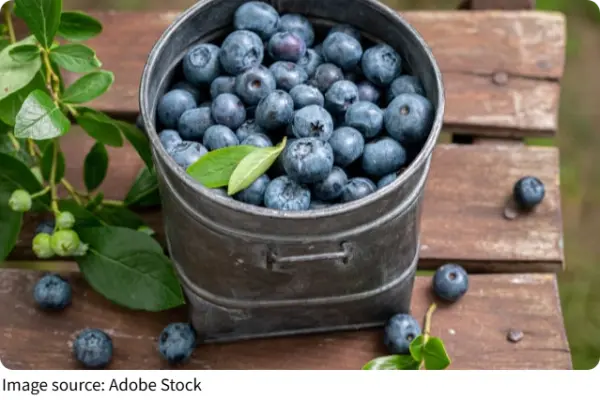
Have you ever wondered why growing blueberries at home has become so popular? Those neatly packaged blueberries at the store are tempting—they’re sweet, healthy, and visually appealing. Yet, we often hesitate because of their high price and short shelf life.
When we want our kids to enjoy them more, worries about cost and food safety pop up. Growing blueberries ourselves not only solves these problems but also brings surprising joy and satisfaction.
Blueberries are called a “superfruit” for a reason. They are packed with antioxidants that support kids’ vision and brain development. But store-bought blueberries are often pricey, and their long journey from farm to shelf reduces freshness and nutritional value. Growing them at home means we can enjoy freshly picked berries with full nutrition and no chemical residues. It’s safe, tasty, and rewarding.
Three Common Blueberry Myths Debunked
Many people think home blueberry growing is complicated and requires expert knowledge. In reality, modern gardening techniques have made it very simple, especially with improved varieties developed for home use.
Myth 1: Pollination Is Too Hard
Some varieties can self-pollinate, meaning a single plant can produce fruit. But planting two or more different varieties together can increase fruit size, yield, and quality. On a balcony with only one plant, we can hand-pollinate flowers using a small brush. Certain home-friendly varieties produce impressive fruit even on a single plant, so pollination worries are minimal.
Myth 2: Acidifying Soil Is Complicated
Professional growers often adjust soil pH manually, but home growers can simply use pre-mixed acidic soil. During growth, we can maintain acidity by applying iron sulfate solution once a month. This saves time and effort while keeping the soil suitable for blueberries.
Myth 3: Care Is Difficult
Blueberries aren’t overly difficult to care for but do need attention to pests like aphids, spider mites, or root rot. Proper ventilation, controlled watering, and prompt treatment if issues appear are usually enough to keep plants healthy.
Choosing the Right Blueberry Plants for Home
With so many options on the market, selecting the best plant can feel overwhelming. Here are key tips:
1. Look for Flower Buds or Fruit
Choose plants that already show buds or small fruit—this ensures the variety is true and may produce harvest the first year. Seeing growth firsthand is more reliable than descriptions alone.
2. Prefer Tissue-Cultured or Nursery-Grown Seedlings
Seedlings grown in controlled nursery conditions usually develop faster, are more uniform, and resist disease better than seedlings grown from seeds. Experienced suppliers often offer the most reliable plants.
3. Consider Cold Resistance
Even in warmer regions, hardy varieties adapt better to occasional cold spells. In northern areas, strong cold resistance is essential.
4. Suitability for Containers
For balcony gardening, choose compact varieties with well-developed roots that thrive in limited soil.
Practical Tips from Planting to Harvest
Once we have quality seedlings, the real fun begins—watching them grow and eventually enjoy the fruit. Here’s how we can make it easier to get a successful harvest:
1. Planting Stage
Use containers at least 30cm wide and line the bottom with small stones or clay pebbles for drainage. Fill with acidic soil, keep the root ball intact when planting, water thoroughly, and place in partial shade for one week to help the plant adjust.
2. Sunlight Management
Blueberries love light. At least 6 hours of sunlight daily is ideal, but during the hottest midday hours, light shading prevents roots from overheating.
3. Water Control
Keep the soil consistently moist but not waterlogged. Check twice daily during hot weather and increase watering if needed. Rainwater or rested tap water works best.
4. Pruning
During the first two years, focus on shaping the plant. Remove crowded branches, weak branches, or damaged stems each winter to improve airflow and light access, ensuring better fruit quality next season.
Extra Benefits of Home Blueberry Growing
Beyond fresh fruit, home blueberry growing offers surprising additional benefits:
1. Family Learning Moments
From planting to harvesting, kids experience nature firsthand. Watching buds develop, flowers bloom, and fruit ripen is far more vivid than any textbook.
2. Balcony Beautification
Blueberries flower in spring and summer, produce fruit in summer and fall, and show red leaves in winter. They offer beauty across all seasons, especially when berries are ripe—a perfect natural decoration.
3. Thoughtful Gifts
Homegrown blueberries or seedlings make heartfelt gifts for friends and family, sharing both taste and joy.
Frequently Asked Questions
For first-time growers, here are some common issues and solutions:
1. Yellowing Leaves
Often caused by low soil acidity or overwatering. Apply iron sulfate solution and check drainage. In severe cases, use fresh acidic soil.
2. Many Flowers, Few Berries
Heavy rain during flowering can affect pollination—hand-shaking flowers helps. Nutrient deficiency is another cause; apply phosphorus-potassium fertilizer after flowering.
3. Birds Eating Fruit
Use netting or reflective materials to deter birds. Harvest slightly immature berries indoors—they ripen and sweeten within 2–3 days.
Start Your Blueberry Journey
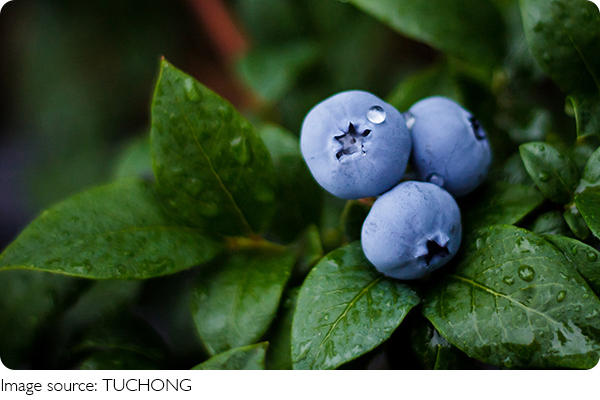
Picture this: morning sunlight spills across the balcony, kids eagerly picking blue gems covered in a soft frosty bloom, popping them straight into their mouths. No need to remind them to wash—they are completely safe. The joy of harvesting homegrown blueberries is unmatched by any supermarket trip.
Growing blueberries is simpler than it seems. With the right variety and care, even beginners can succeed. Starting from a small seedling, we witness its full life cycle, harvest sweet berries, and feel a deep connection with nature. Begin your blueberry-growing adventure today, and next season, your balcony will become your family’s favorite spot.