


Clear Chicken Stock Secrets
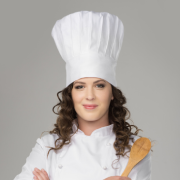
Homemade chicken stock can add depth to soups, sauces, risottos, and braised dishes. Yet achieving a clear, golden liquid can be surprisingly difficult.
According to professional chefs, the solution lies in patience, careful skimming, and choosing the right approach to cooking and straining.

Why Gentle Heat Matters
The most important principle is to avoid cooking stock too quickly. Eexcessive heat into the liquid are major reasons stock loses its clarity. A rapid boil creates considerable movement, allowing small particles spread throughout the liquid. Rather than settling naturally, they remain suspended, producing a cloudy appearance.
A gentle simmer offers better control. The liquid should move slowly, with occasional small bubbles rather than vigorous bubbling across the surface. This approach allows flavor to develop while reducing unnecessary agitation.
Equipment also matters. A large, heavy cooking vessel gives the ingredients sufficient room and helps distribute heat more evenly. A very fine sieve is equally useful when removing the remaining particles after cooking.
Start with Cold Water
It recommends beginning with cold water before gradually bringing the mixture to a gentle simmer. This gives the ingredients time to warm together rather than exposing them immediately to intense heat. As the temperature rises, foam and impurities may gather on the surface. Removing this material with a spoon helps keep the liquid clean throughout the cooking process.
Regular skimming is particularly important during the early stages, when visible residue begins to collect. Instead of waiting until the end, check the surface periodically and remove any buildup. Avoid stirring unnecessarily, too. Although stirring is useful in many recipes, excessive movement can disturb particles that might otherwise settle. Keeping the liquid relatively still makes it easier to achieve a clearer result.
Skimming Makes a Difference
The importance of removing impurities while maintaining low heat. An initial gentle simmer can help release unwanted material, which can then be skimmed away before it spreads through the stock. The goal is not to remove every trace of flavor. Rather, it is to prevent excessive residue from becoming dispersed throughout the liquid.
Once cooking is complete, careful straining provides another opportunity to improve the appearance. A fine-mesh sieve catches larger particles, while a layer of clean muslin can help filter out finer material. Pouring slowly is preferable to forcing the liquid through the strainer. Pressing the ingredients can release additional particles, working against the effort to maintain clarity.
Can Cloudy Stock Be Rescued?
A cloudy batch does not necessarily need to be discarded. It can still provide plenty of flavor for dishes where appearance is less important. However, several techniques may help produce a clearer result. Straining the liquid again through a fine sieve is a straightforward first step.
A small amount of lemon juice may also help, according to the advice discussed by the culinary experts, while adding a fresh note to the flavor. The result is not guaranteed, however, and acidity should be used carefully to avoid making the stock too sharp.
It suggests another approach for those seeking greater clarity: freezing the stock and allowing it to defrost through a sieve lined with muslin. This slower process helps separate some of the solid material from the liquid, although it requires additional time and preparation.
An Overnight Alternative
For cooks who prefer a low-maintenance method, Morse recommends using an oven-safe cooking vessel and maintaining a temperature of approximately 90°C overnight. The benefit of this approach is its gentle, indirect heat. Rather than relying on a burner that may create hot spots, the oven provides a steady environment that helps limit vigorous bubbling.
Temperature control remains important, and the cooking setup must be suitable for extended use. The method is intended to keep the stock gently heated, not to encourage a rolling boil.
Clear chicken stock depends less on complicated techniques than on careful temperature control and attention throughout cooking. Starting with cold water, maintaining a gentle simmer, skimming regularly, and straining patiently can all improve the final result.

For the clearest finish, preventing cloudiness is generally easier than correcting it afterward. A slower approach gives the ingredients time to release their flavor without creating excessive movement, helping produce a stock that looks clean and tastes rich enough to support a wide range of dishes.