


Homemade Snack Makeover

Packaged snacks and convenience foods can make busy days easier, but preparing similar items at home offers a different experience. Homemade versions allow cooks to choose their ingredients, adjust flavors, and decide how much preparation feels worthwhile.
Comparing the cost, effort, and results of several familiar foods shows why a practical approach often works better than trying to prepare everything in the kitchen.
Understanding Ultra-Processed Foods
Ultra-processed foods are industrially formulated products that may contain ingredients and additives rarely used in ordinary home cooking. Examples can include certain packaged snacks, sweet, and ready-to-eat products. Their convenience and long shelf life make them appealing, particularly when time is limited.
Nutrition researchers emphasize that the overall pattern of eating matters more than judging a single food in isolation. Regularly relying on packaged products may leave less room for meals built around vegetables, fruit, grains, and other basic ingredients. Still, avoiding every highly processed item is not realistic for everyone.
Dr. Priscila Machado, a nutrition and public health researcher at Deakin University’s Institute for Physical Activity and Nutrition, has highlighted the importance of considering the wider food environment. Price, availability, and preparation time all influence what people eat.
Five Foods Put to the Test
A comparison of five familiar products—chicken nuggets, almond milk, muesli, potato chips, and chocolate-covered mint biscuits—offers a useful look at the challenges of home preparation. Each item requires different equipment, ingredients, and amounts of work, so the results are not identical.
Homemade nuggets allow cooks to control the coating and seasonings. Muesli can be adjusted with oats, seeds, and dried fruit. Almond milk requires soaking or blending almonds with water, followed by straining. Potato chips need thin, evenly cut slices and careful cooking, while mint biscuits involve several stages, including preparing the filling and coating.
When Homemade Versions Save Money
Some foods are relatively economical to prepare at home because their ingredients can be purchased in larger quantities and used across several recipes. Muesli are one example: oats, seeds, and dried fruit can contribute to multiple batches rather than a single serving.
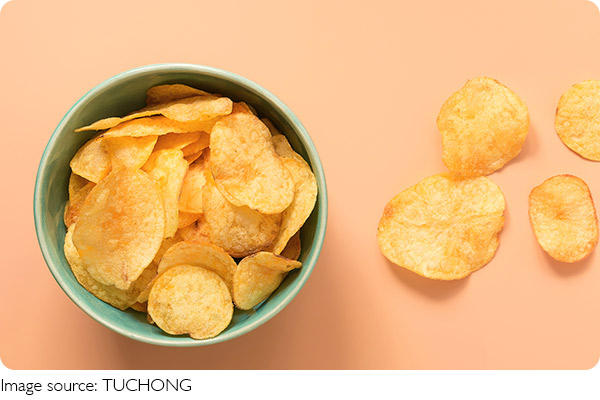
Potato chips also use a basic main ingredient, making their ingredient cost potentially low. However, the final calculation depends on the amount of cooking oil used, energy costs, seasoning, and how much of each ingredient is consumed. Buying ingredients specifically for one small batch may reduce the savings.
Cost comparisons should account for the quantity actually used, rather than charging an entire bottle or packet to one recipe. At the same time, shopping, preparation, cooking, and cleaning all require effort, even when the ingredients are inexpensive.
Why Some Foods Cost More at Home
Other products can be surprisingly expensive to recreate. Homemade almond milk uses almonds, which may cost more than a carton of commercially produced alternatives. Preparing nuggets also requires ingredients, preparation space, and cooking time.
Chocolate-covered mint biscuits present another challenge because achieving a smooth coating and balanced filling takes several components. Depending on the chocolate and other ingredients available, making a small batch may cost more than purchasing a packaged product.
Homemade versions may nevertheless offer advantages beyond price. Cooks can select the ingredients, adjust sweetness and seasoning, and avoid additives they prefer not to use. The finished texture and taste may also differ from the packaged version, so the goal need not be to reproduce it perfectly.
The Hidden Cost of Time
Time is one of the most important factors in deciding whether a homemade alternative makes sense. Washing, chopping, mixing, baking, cooling, and cleaning can turn a seemingly simple snack into a lengthy project. Potato chips can be particularly demanding when slices must be prepared and cooked in batches. Mint biscuits need time for the filling and coating to set.
A Balanced Approach to Everyday Eating
Reducing reliance on packaged convenience foods does not require an all-or-nothing plan. A useful starting point is to choose one or two items that are enjoyable and straightforward to make at home. Simple snacks or breakfast may be easier projects than elaborate biscuits or products requiring several preparation stages.

Preparing everyday foods from scratch can offer greater control over ingredients and flavor, but savings are not guaranteed. Small, manageable choices can support a more varied way of eating without turning every meal into a major kitchen project.